
Many children experience anxiety, but they often lack the language to explain what they’re feeling. Instead, anxiety shows up through behavior, physical complaints, or changes in routine. This article focuses on awareness and early intervention to help parents, caregivers, and teachers.
Anxiety in Children
Anxiety is a natural emotional response to stress, uncertainty, or perceived danger. It is characterized by feelings of fear, worry, or unease and can range from mild and temporary to intense and persistent. Everyone worries from time to time, including children. Normal worry is usually short-lived and improves with reassurance or simple coping strategies. Anxiety becomes a concern when it lasts for an extended period, feels intense, and does not improve despite support.
Children often experience anxiety differently from adults. Many lack the words to clearly explain how they feel, which can make their distress harder for parents, caregivers, and teachers to recognize. Instead, anxiety may show up through actions, moods, or physical symptoms. It is not bad behavior, but a sign that a child is overwhelmed and struggling to cope.
Recognising subtle signs that go beyond crying or obvious fear is important. When anxiety is misunderstood or ignored, it can worsen over time and lead to unnecessary conflict at home or in school. The awareness of these signs help adults respond in supportive ways and prevent anxiety from escalating.
Common Causes of Anxiety in Children
- Environmental stress: Big changes in life, like moving to a new home, switching schools, dealing with family conflicts, or experiencing loss, can really shake a child's sense of security.
- Emotional sensitivity and temperament: Some kids are just more sensitive or cautious by nature, which can make them more prone to anxiety when they face uncertainty or pressure.
- Family dynamics: Children often pick up on the stress, tension, or emotional ups and downs from their caregivers and the environment around them.
- Academic and social pressure: Worries about failing, comparing themselves to peers, facing bullying, or living up to high expectations can lead to ongoing anxiety and emotional strain.
- Biological factors: A child's response to stress can be influenced by genetics and brain chemistry, especially if there's a family history of anxiety.
- Traumatic experiences: Scary or distressing events, especially if not properly processed with support, can lead to lasting anxiety in children
Signs of Anxiety in Children
Emotional signs of anxiety in children
One of the most common emotional signs of anxiety in children is excessive fear or worry that is out of character. It is normal for children to worry occasionally, persistent worry that seems disproportionate to the situation should be observed closely. Another sign is frequent emotional outbursts. Children naturally express emotions through crying, shouting, or frustration, but when these reactions become unusually intense, frequent, or inconsistent with the child’s usual behavior, it may indicate anxiety.
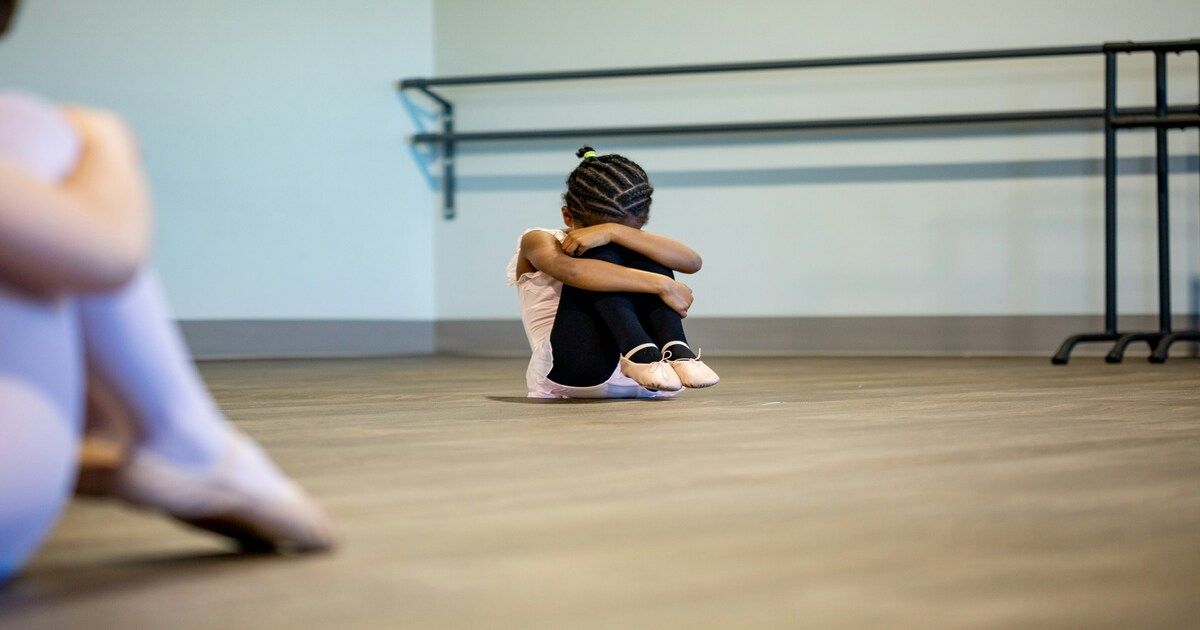
Some children also struggle to express how they feel when they are anxious. They may withdraw, shut down emotionally, or become easily overwhelmed when asked simple questions. This difficulty in communication can make it harder for adults to understand what is wrong, further increasing the child’s distress.
Physical symptoms of anxiety in children
Anxiety in children often presents through physical symptoms that may not immediately seem emotional in origin. Frequent headaches or stomach aches are common complaints. Some children may fall sick often without a clear medical cause. Sleep disturbances, such as nightmares or difficulty falling asleep, are also strong indicators of anxiety. In addition, unexplained fatigue or constant tiredness can be a sign that a child is mentally and emotionally exhausted.
These symptoms can resemble ordinary childhood illnesses, so they are sometimes dismissed. However, when they occur repeatedly and alongside behavioral changes, they deserve closer attention.
Behavioral changes caused by anxiety
Behavioral and academic changes are particularly important warning signs. A child who once enjoyed school or social activities may begin to avoid them. This is especially noticeable in older children and teenagers who may start withdrawing from peers or resisting school attendance. Anxiety can also lead to apathy toward schoolwork, resulting in declining performance or lack of interest.
In some cases, anxiety causes children to develop an intense fear of making mistakes. This fear may push them toward perfectionism, where they place unrealistic pressure on themselves and become distressed by minor errors. This may appear as diligence, but it is often driven by anxiety rather than motivation.
How Parents, Caregivers, and Teachers Can Help
One of the most important ways parents and caregivers can support an anxious child is by avoiding dismissal. Statements such as “You are fine” or “Don't disturb me” may seem harmless, but they can make a child feel unheard and misunderstood. Listening without judgment is essential. Rather than jumping to conclusions, adults should take time to understand what the child is experiencing.
Adults should also model healthy coping strategies. Children pick up on how their caregivers handle stress or tough situations, so when they see calm communication, effective problem-solving, and emotional control, it sets a strong example for them to follow.
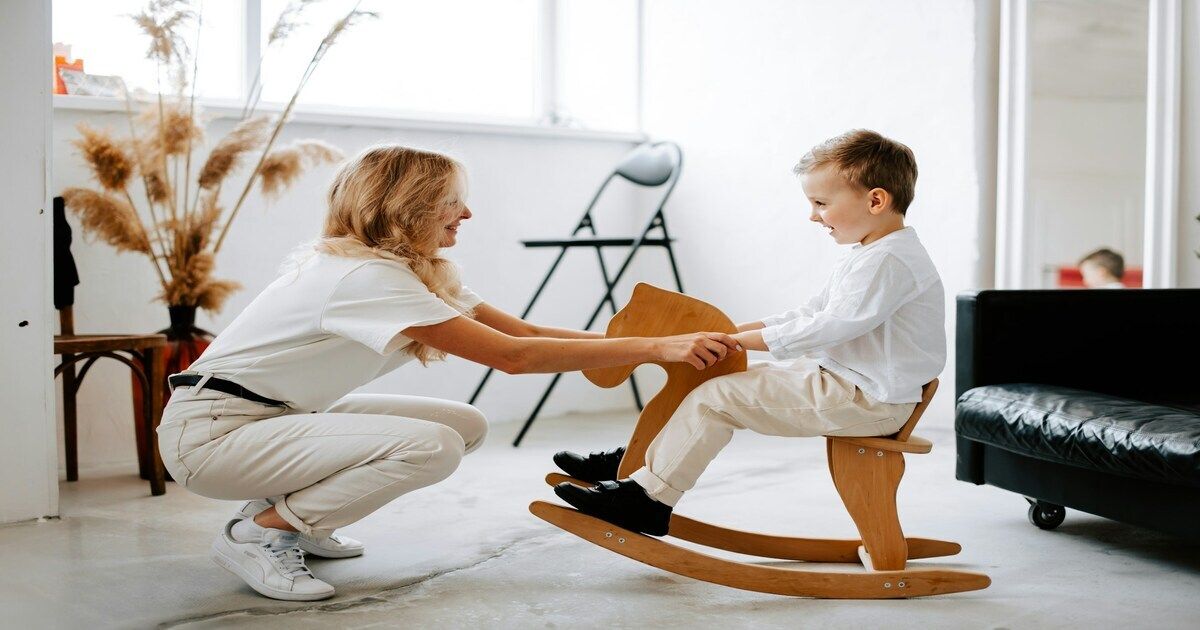
Creating predictable routines can also help children feel safe and secure. Consistency in daily activities provides a sense of stability, especially when things are changing or uncertain. When they know what to expect, it can help calm their fears and lessen emotional stress.
When support at home or school is no longer enough, seeking professional help is a responsible and caring step. Child therapists and counselors are trained to help children understand and manage their emotions in healthy ways.
Conclusion
Anxiety in children is not always obvious, and it often shows up quietly through changes in behavior, emotions, or physical wellbeing. When these signs persist despite reassurance, routines, and supportive care, it may signal that a child needs more help than can be provided at home or school.
Early awareness and timely intervention play a significant role in a child’s emotional development.
For more on children’s emotional wellbeing and awareness, see this related article: Children’s Mental Health Awareness Day 2025, It is a helpful resource on understanding and supporting kids’ mental health.
Disclaimer:
This article is intended for awareness and educational purposes only. It is not meant to replace professional medical or mental health diagnosis or treatment. If you have concerns about a child’s emotional or psychological wellbeing, seeking professional guidance is strongly recommended.