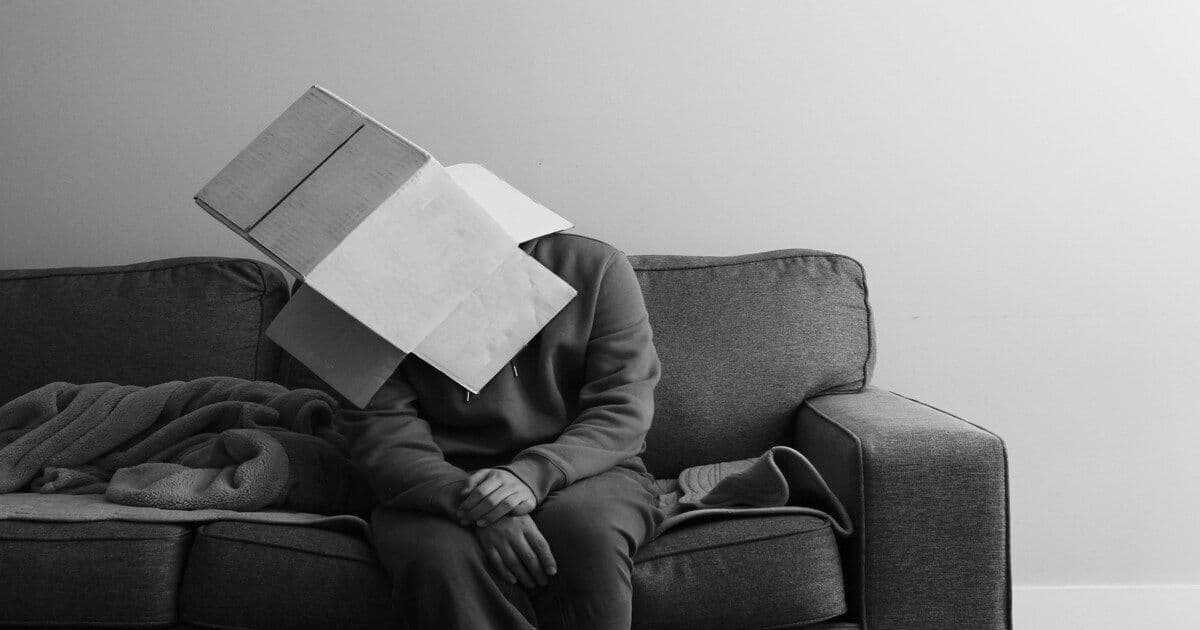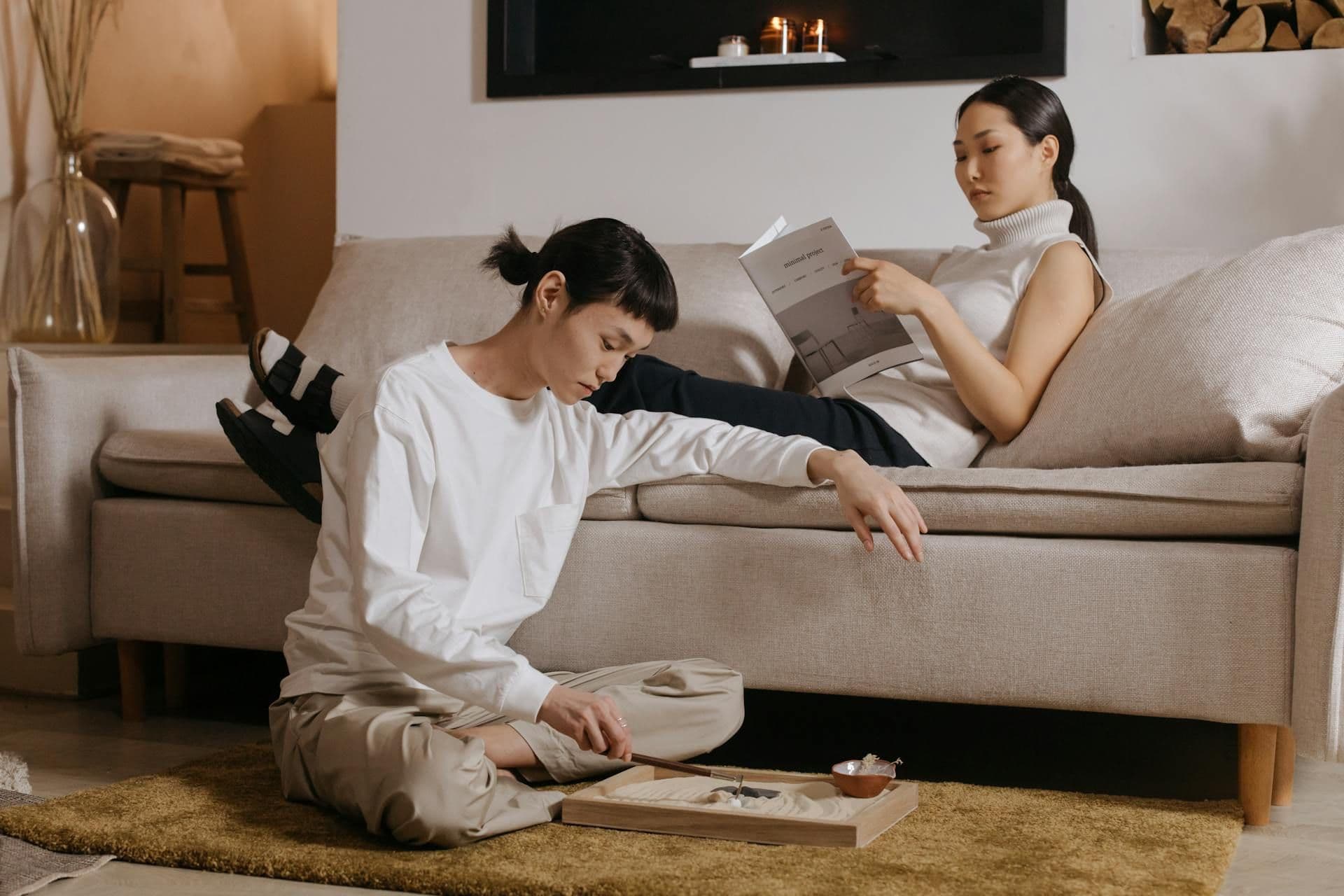
Many people confuse solitude with loneliness, but psychologists make an important distinction between the two. Chosen solitude, time spent alone intentionally rather than through isolation, can lower stress, enhance emotional regulation, and create space for self reflection and personal growth. This short story follows Flora, a woman learning to simply be with herself after years of relying on unhealthy coping mechanisms.
A Quiet Moment of Chosen Solitude
Flora sat by the window, listening to the rain gently tapping against the glass, tracing uncertain paths as it slid down the surface. The apartment was enveloped in a stillness that felt almost tangible, allowing her to hear every little sound; her own breath, the steady ticking of the clock, and the soft hum of the heater working hard to keep the chill at bay.
Movement had always been her refuge, a way to fill the hours with tasks that created a sense of control. Cooking, cleaning, checking emails, endlessly scrolling through a feed that never quite satisfied her. For years, this rhythm had kept her afloat, helping her manage a world that often felt too overwhelming, too fast-paced for her to keep up.
But tonight, that rhythm stumbled and each step, each breath, felt heavier than before. She first noticed it in her shoulders, tense and locked, then in her chest, tight in a way that no amount of deep breathing could ease. Time seemed to stretch, as if the universe had paused in the stillness of the night to take notice of her.
She gazed at the rain cascading down the window, feeling the weight of her own expectations. Nothing had happened today, and therein lay the problem. Nothing had changed, nothing had been resolved, yet the exhaustion was all-consuming. Each day followed the same monotonous pattern: wake up, move, endure, sleep, and start all over again. The coping mechanisms that once shielded her now felt more like shackles.
Uninvited memories began to drift in. Fragments of conversations, unexpressed frustrations, and small disappointments she had tucked away because they were too inconvenient to confront. Faces of people she had once leaned on now felt distant, almost like figments of her imagination. She realized how long it had been since she had truly paused, since she had allowed herself to simply exist without the crutch of purpose.
The habit of just getting by had finally hit a wall, and the realization settled in, both gentle and piercing: she couldn’t keep drifting through life just because that’s what she had always done.
Time slipped by, was it hours or just a few minutes? She couldn’t quite tell. She wrapped her arms around her knees, pulling them in tight, and let herself acknowledge the emptiness that had been quietly building beneath her hectic routine. There was no grand drama, no explosive moment, just a slow, steady understanding that her old ways weren’t cutting it anymore.
Flora had no idea what was next. There were no answers, and she didn’t feel the need to force any. For now, she simply let herself feel the moment, allowing the stillness to coexist with her. The rain kept falling, the clock kept ticking, and in that quiet observation, she found a flicker of relief, small and delicate, but undeniably real.
For the first time in ages, she felt the weight of her own presence, raw and unfiltered by anyone’s expectations. It was strange and a bit unsettling, yet somehow, it felt like the start of something important. Something that wasn’t about pushing ahead, but rather about taking a moment to truly see herself.
And in that in-between space, she gave herself permission to just be.
How Solitude Supports Mental Health
Psychologists point out that spending time alone isn’t always a bad thing; in fact, it can be quite beneficial for our mental health. When solitude is a choice rather than a forced situation, it creates an opportunity to step back from the hustle and bustle of everyday life.
Solitude can boost emotional awareness, spark creativity, and provide a space for introspection and personal growth. Being alone in peaceful settings, especially those that connect us to nature or bring us comfort, can refresh our minds and give us a chance to reset. When we approach solitude with intention and balance it with social interactions, it transforms into a healthy and restorative experience that nurtures both our emotional and psychological well-being.
Spending time alone by choice can reduce stress and increase feelings of autonomy and calmness, because solitude gives people space to process their emotions without distraction or pressure from others. People who spend more time alone on their own terms often report less stress and a greater sense of freedom to be themselves, suggesting that solitude can offer psychological relief rather than distress when it is voluntary and balanced with social interaction.
This is especially true as the year winds down, when life slows and we naturally look back on the months that have passed. Choosing to spend time alone during this period can be a quiet way to take stock, process experiences, and think about what’s next without the usual noise around us.
Solitude at this time doesn’t have to feel like loneliness. It can be a gentle pause, a chance to recharge emotionally before stepping into a new chapter. The trick is to find a balance between enjoying your own company while still keeping the connections that matter, and seeing alone time as a breath of fresh air rather than a default.
RELATED ARTICLE: Loneliness vs Isolation: Why Feeling Alone Can Hurt More Than Being Alone