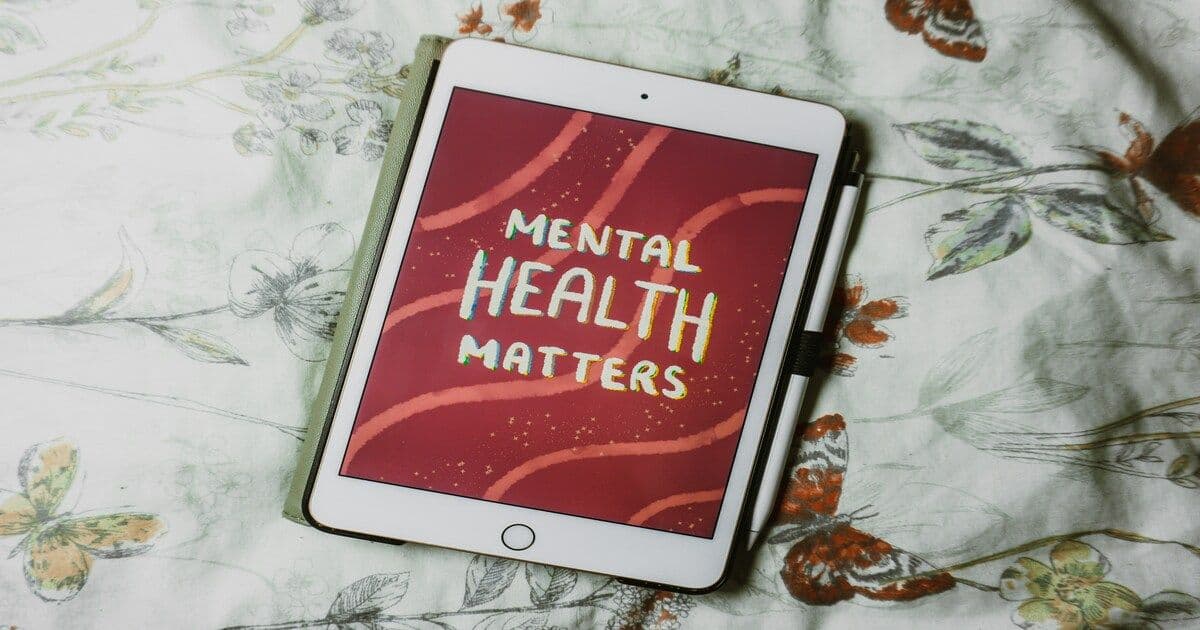
October 10 is World Mental Health Day 2025, with the year’s theme as “Mental health is a universal human right.” One in every eight people globally live with a mental disorder such as depression, anxiety, bipolar disorder, schizophrenia, post-traumatic stress disorder (PTSD), eating disorders, or substance use disorders.
These conditions find expressions in ways that often go unnoticed, from sleepless nights and unexplainable fatigue to mood swings, isolation, and the quiet ache that words sometimes fail to express. As we mark this year’s observance, this article reflects on what the theme means and how we can make mental health care a reality for everyone, everywhere.
World Mental Health Day 2025 Theme
This year’s theme “Mental health is a universal human right.” emphasizes that mental health is just as important as every other fundamental human right every citizen enjoys globally. It challenges us to see the mind not as an afterthought but as a vital part of human existence that deserves care, protection, and respect.
Mental health has moved from being a concept that only a few people or privileged groups pay attention to, into a shared global responsibility. The theme emphasizes equality which means the access to care should not depend on one’s income, gender, or location. It suggests that everyone who experiences emotional distress, psychological imbalance, or any form of mental struggle is entitled to mental health care and should not be denied that right.
This theme is crucial because it addresses the stigma and systemic barriers that prevent people from seeking or receiving help. It also recognizes that mental well-being is not a reward for a select few, but a right that belongs to all, regardless of who we are or where we live.
Why Mental Health Matters
Mental health plays a huge role in our overall life because it impacts every other area that makes us human. It influences how we think, feel, relate, and act. It shapes our productivity, our relationships, our education, and our quality of life. As one quote beautifully puts it, “There is no health without mental health.” A sound body means little when the mind is in turmoil.
This also extends to our communities because people make up a community. A community where the majority neglect their mental health will ultimately struggle with progress. When individuals within a society thrive mentally, the community becomes healthier, safer, and more compassionate.
The Gaps We Still See
Despite the growing awareness about mental health, there are still significant gaps that this day calls our attention to. The truth is that many people who need help still cannot access it. Several factors contribute to this reality and, sadly, widen the gap.
1. Workforce Shortages:
Many mental health professionals already have full schedules and long waiting lists. This makes it difficult for new patients to access care quickly. The shortage often leads to longer waits, delayed treatment, and increased stress for individuals seeking support. The demand for mental health services far exceeds the available workforce, creating a systemic challenge that affects timely access to care.
2. Limited Availability:
Access to psychiatrists, psychologists, and other mental health specialists remains limited in many countries. The scarcity of professionals and facilities means that individuals may have to wait weeks or even months before they can begin therapy. Unfortunately, during this waiting period, conditions can worsen, deepening emotional pain and hopelessness.
3. Geographic Disparities:
People in rural or underserved areas often face additional barriers to accessing care. With fewer providers, longer travel distances, and limited local resources, getting mental health support can seem almost impossible. In Nigeria and many parts of Africa, these disparities are even more pronounced. Expanding services, embracing teletherapy, and integrating mental health education into communities can help bridge these divides.
4. Individual Factors:
Personal circumstances also contribute to delays in seeking care. Busy schedules, caregiving responsibilities, financial constraints, or even uncertainty about where to find help often stand in the way. Beyond that, cultural stigma still surrounds mental struggles. Many people fear being judged, misunderstood, or labeled, so they suffer in silence. Until these attitudes change, awareness will remain half-fulfilled.
You can read the full article here
What We Can Do
You have a role to play in ensuring that mental health is truly seen as a human right. There are practical actions you can take today, tomorrow, and always.
- Educate yourself and others. Learn to recognize signs of mental distress and offer support rather than judgment.
- Normalize conversations around mental health. When people talk freely about what they’re feeling, shame begins to lose its power.
- Advocate for better mental health policies and services. Governments and organizations must invest more in this area to make care accessible and affordable.
- Practice self-care and empathy. Rest when you need to, be kind to yourself, and extend the same grace to others.
- Even small actions such as a check-in call, therapy gift card, a listening ear, or a simple word of encouragement can go a long way in helping someone heal.
Conclusion
Mental health is not a luxury, but a right. Every person deserves the chance to feel safe within their mind and supported within their society.
So, as we mark World Mental Health Day 2025, let’s remember that awareness must lead to action. Speak up, support others and take care of yourself because a healthy mind is not just a privilege but everyone’s right, and it starts with you and me.