
What is Procrastination?
Psychologists define procrastination as "the voluntary, unnecessary delay of an important task, despite knowing that it could have negative consequences."
Simply put, it's the act of delaying or postponing something that needs to be done – sometimes even when you know there will be consequences. Many times, you're fully aware of what needs to be done, yet you keep pushing it aside. But, it's not always a sign of laziness; in fact, it often stems from deeper emotional or psychological triggers.
Maybe you’ve done this before: your to-do list is in front of you, you stare at that one task you keep moving from one day to the next, whispering, “I’ll do it tomorrow.”
Sound familiar?
Perhaps it's even today that you’re finally reading this blog post after saving it for over a week. That’s procrastination in action.
Experts explain that procrastination isn’t just about poor time management, it’s often an emotional response. It happens when we try to avoid the negative feelings a task brings, like fear, boredom, or self-doubt. Instead of tackling the task, we seek immediate relief, even if it means delaying what’s important.
It’s more common than you think. Almost everyone procrastinates at some point. It's human nature. But when it becomes a constant pattern, when it starts to affect your productivity, mental well-being, or personal growth, then it’s time to pause and pay attention.
Why Do We Procrastinate?
We like to tell ourselves we still have time.
We believe we’ll be in a better mood later.
We assume we’ll feel more prepared tomorrow.
Sometimes, procrastination is rooted in fear: fear of failure, fear of success, or fear of not doing it perfectly.
Other times, it's a result of feeling overwhelmed, perfectionism, or even low self-esteem.
In some cases, procrastination is a symptom of an underlying mental health condition such as depression or ADHD. It may also come from forgetfulness, being in the habit of always waiting until the last minute, or simply believing you’ll always have time to catch up.
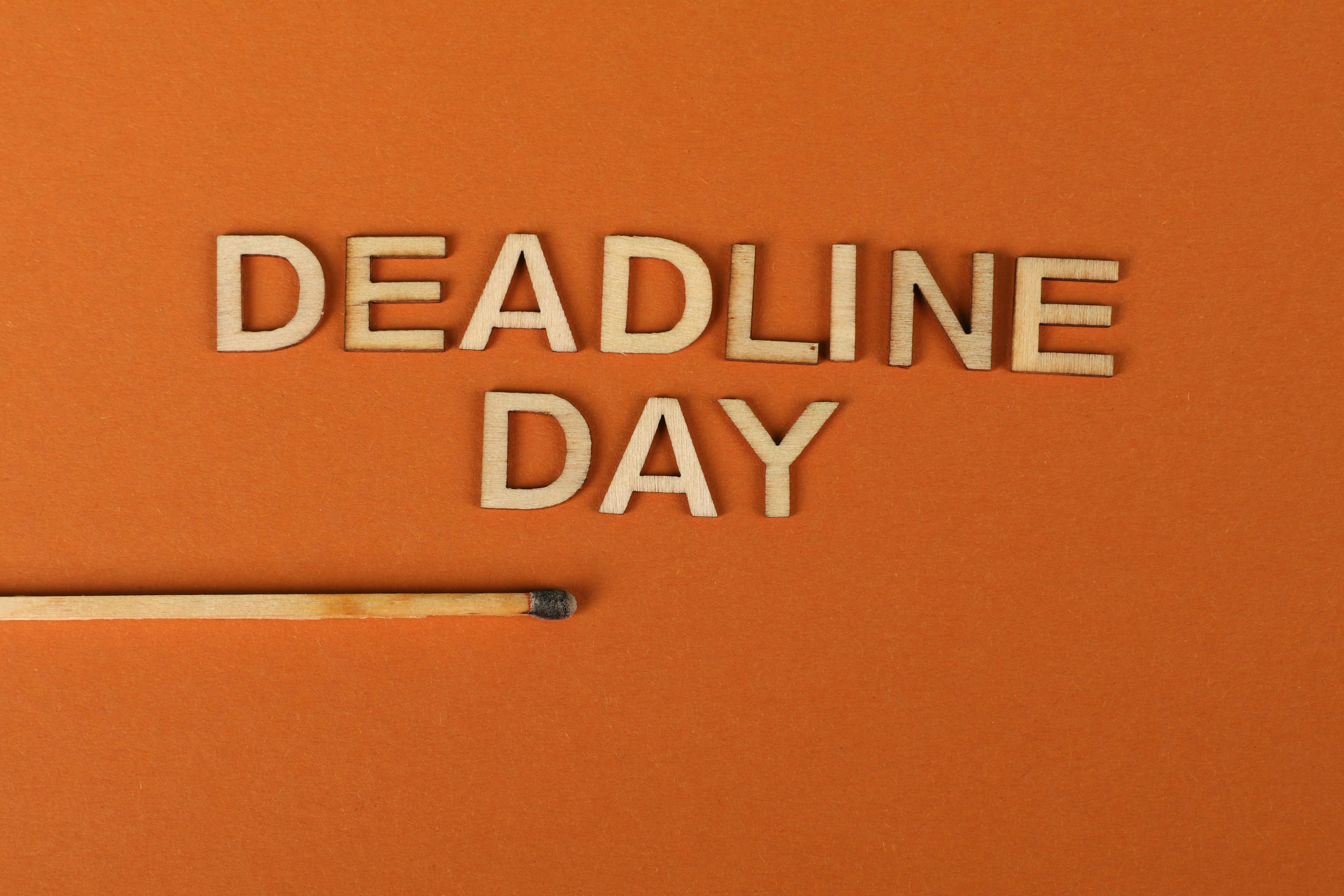
What Procrastination Really Steals from Us
While putting things off may feel harmless in the moment, the consequences tend to pile up:
- Reduced productivity: You do less and feel worse about it.
- Increased stress: Deadlines get tighter, and pressure builds up.
- Missed opportunities: You may lose out on growth, goals, or great chances.
- Poor performance: Last-minute rush jobs often lack the quality of well-paced work.
- Emotional toll: Guilt, anxiety, and self-criticism are frequent companions of chronic procrastinators.
Can We Really Overcome It?
The truth is, you may never completely stop procrastinating because you are always juggling a lot. But you can learn to manage it better, especially when it becomes chronic and affects your life consistently.
10 realistic tips to help you break the cycle:
1. Identify Your Pattern
Do you always procrastinate on the same types of tasks? Notice the pattern. Awareness is the first step to breaking it.
2. Break Tasks into Smaller Pieces
Overwhelm often leads to avoidance. Break big tasks into micro-steps. Instead of “Write report,” try “Open document,” then “Write first paragraph.”
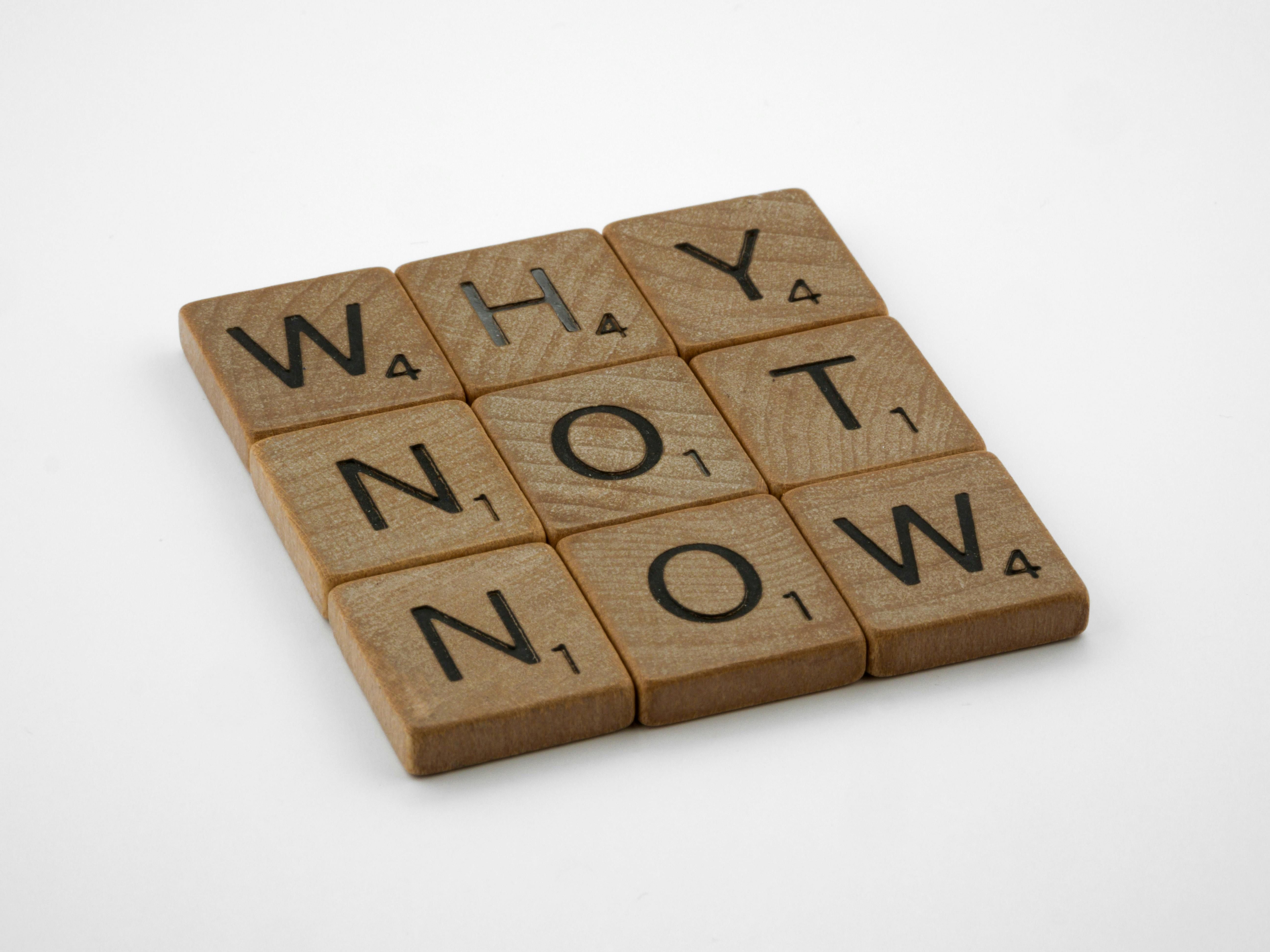
3. Flip the Logic: "If I Can Do It Later, I Can Do It Now"
The next time you catch yourself saying, “I’ll do it later,” challenge that thought. Why not now? Often, the time you spend avoiding the task is longer than the time it would take to complete it.
4. Limit Distractions
Your phone, noise, open tabs – all of them chip away at your focus. Try using apps that block distractions or set a timer for focused work.
5. Use the Two-Minute Rule
If a task takes less than two minutes, do it immediately. This helps you build momentum and tackle the small things that pile up quickly.
6. Plan Your Day (But Keep It Flexible)
Use to-do lists, time blocks, or planners to organize your tasks. But give yourself grace when things don’t go perfectly.
7. Don’t Wait for the “Perfect” Time
Truth is, there's rarely a perfect moment. Waiting for the right mood, energy, or spark may just be another form of avoidance.
8. Practice Self-Compassion
Don’t beat yourself up for procrastinating. Instead, ask: “What am I avoiding, and why?” Replace shame with curiosity.
9. Find Accountability
Tell someone your goals. Body doubling (working alongside someone else) or sharing your to-do list can motivate you to follow through.
10. Celebrate Progress, Not Perfection
Done is better than perfect. Celebrate the small wins, they add up over time.
Conclusion
Procrastination isn’t always about laziness, it’s about emotions, expectations, and sometimes, mental load.
But you’re not powerless. Each small step you take toward doing the thing (even if it’s just reading this post!) is already a win.
So, if you’ve been putting off something important, consider this your nudge. Start small and start now.