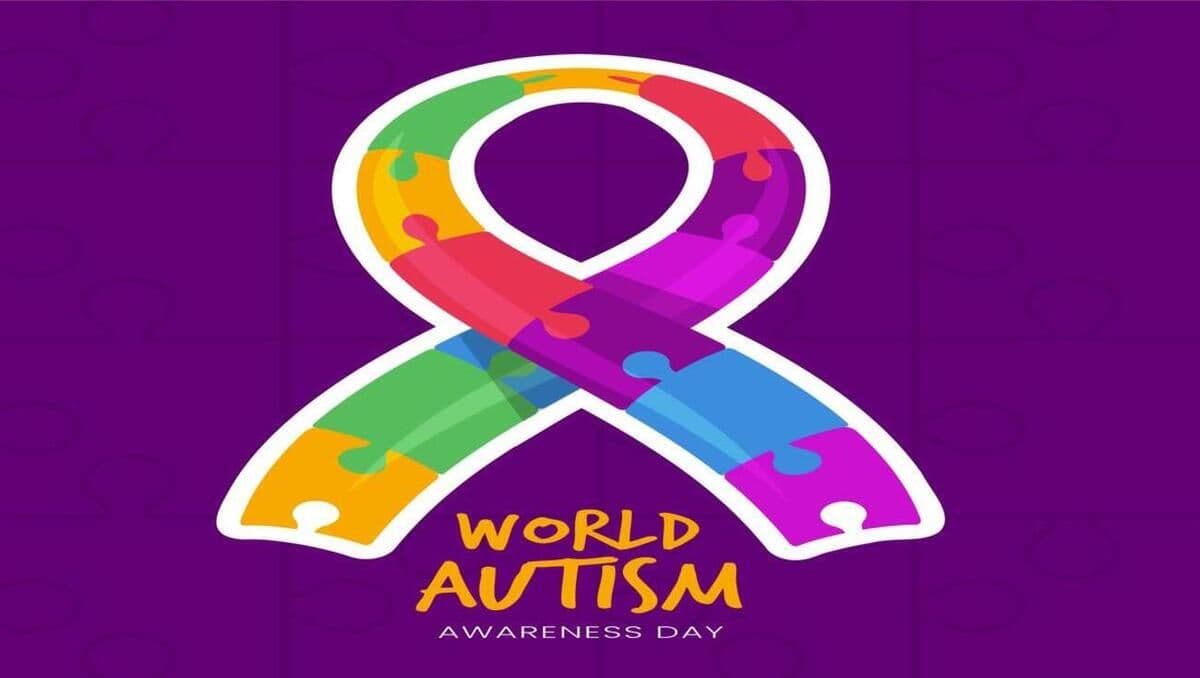
June 18 is more than just another date on the calendar. It is Autistic Pride Day, a special occasion dedicated to celebrating the unique strengths and perspectives of autistic individuals. This day invites us to reflect on what it means to truly embrace neurodiversity, to foster acceptance, and to open honest conversations about mental health within the autistic community.
What Is Autistic Pride Day?
Autistic Pride Day was created to shift the focus away from viewing autism solely as a disorder or deficit. Instead, it celebrates the richness of neurological differences and the diverse ways in which autistic people experience the world. This day honors identity, self-advocacy, and the right to be seen and accepted for who one is.
Celebrating neurodiversity means appreciating that autism isn’t something to be “fixed” but a different way of experiencing the world, with its own strengths and challenges.
Unlike some awareness campaigns that highlight challenges, Autistic Pride Day emphasizes pride and belonging. It reminds us that autism is a natural variation in human neurology, not something to be “fixed” or feared. Recognizing this helps build respect and reduces stigma, making space for authentic conversations about mental health.
Understanding Autism and Neurodiversity
Autism, or Autism Spectrum Disorder (ASD), is a neurodevelopmental condition that affects how a person communicates, connects with others, and experiences the world. People often think of autism as one thing, but it's actually a spectrum. This means each person is different. While some may need extra support in daily life, others live independently and have found ways to thrive in their own way. What’s common among them isn’t a fixed list of traits but a unique way of seeing and responding to the world around them.
The term neurodiversity describes the natural range of differences in how human brains function. Just as biodiversity strengthens an ecosystem, neurodiversity enriches humanity by contributing varied ways of thinking, learning, and interacting. Autism is a core part of this spectrum, representing a neurological makeup characterized by differences in communication, sensory processing, and social interaction.
However, society often misunderstands autism through a narrow lens. Many believe autistic people lack empathy or cannot form meaningful relationships, which is simply not true. Instead, autistic individuals may express emotions differently or require different social cues. These differences should be embraced rather than pathologized.
Learning about neurodiversity encourages us to see autism not as a limitation, but as a different way of experiencing life. When we do this, we create a more inclusive environment where everyone’s strengths can flourish.
Mental Health in the Autistic Community
Despite the progress in awareness, mental health remains a critical issue within the autistic community. Studies have shown that autistic individuals experience higher rates of anxiety, depression, and other mental health challenges compared to the general population. These difficulties are often compounded by external factors such as misunderstanding, exclusion, and lack of appropriate support.
One major cause is the societal pressure to conform to neurotypical norms which is often called masking. Many autistic people spend immense energy hiding their true selves to avoid discrimination or bullying. This constant effort can be exhausting and lead to feelings of isolation, burnout, and worsening mental health.
It is important to recognize that mental health struggles are not inherent to autism itself, but rather the result of the environment and how others treat autistic individuals. Acceptance, understanding, and tailored support can make a tremendous difference in improving well-being.

How to Support Autistic People on Autistic Pride Day and Beyond
Supporting autistic individuals means more than just offering sympathy. It calls for active engagement, empathy, and commitment to creating spaces where everyone feels safe and valued.
These are intentional steps you can take to create a more inclusive space:
1. Listen and Learn
Take time to listen to autistic voices and learn from their experiences without judgment. Respect the language they use to describe themselves and their needs.
2. Promote Acceptance
Challenge stereotypes and misinformation about autism in your community. Use your platforms to share positive messages about neurodiversity.
3. Advocate for Inclusion
Encourage schools, workplaces, and social groups to implement accommodations that respect different sensory and communication needs.
4. Prioritize Mental Health
Understand that autistic people may benefit from mental health resources tailored to their unique experiences. Support services should be accessible and compassionate.
By adopting these actions, we create a culture where autistic people can thrive, express themselves freely, and enjoy better mental health.
Celebrating Neurodiversity Every Day
Autistic Pride Day is a powerful reminder that acceptance should not be limited to one day. Neurodiversity deserves recognition all year round. When we celebrate differences daily, we foster communities that value every individual’s contribution.
Embracing neurodiversity enriches us all by encouraging creativity, innovation, and deeper human connection. It teaches us to be patient, to listen actively, and to appreciate that there is no single “right” way to be.
If there is one message to take from today, it is this that everyone deserves respect and mental well-being. We all have a role to play in making society more inclusive.
How TranqBay Supports Mental Health
At TranqBay, we are dedicated to providing compassionate mental health support for all, including neurodiverse individuals. We believe mental health care should be accessible, personalized, and free of judgment.
Our services include confidential counseling, stress management tools, and educational resources tailored to diverse needs. On days like Autistic Pride Day, we reaffirm our commitment to listening to and advocating for the mental well-being of autistic people and their communities.
If you or someone you care about is struggling, know that help is available, and you are not alone.
If you’re curious about other awareness days that promote inclusion, check out our article on World Bipolar Day Children's Mental Health Awareness Day
Learn more on mental health support
Disclaimer
This article is for informational purposes only and is not a substitute for professional medical advice, diagnosis, or treatment. If you or someone you know is experiencing mental health challenges, please consult a qualified healthcare provider.