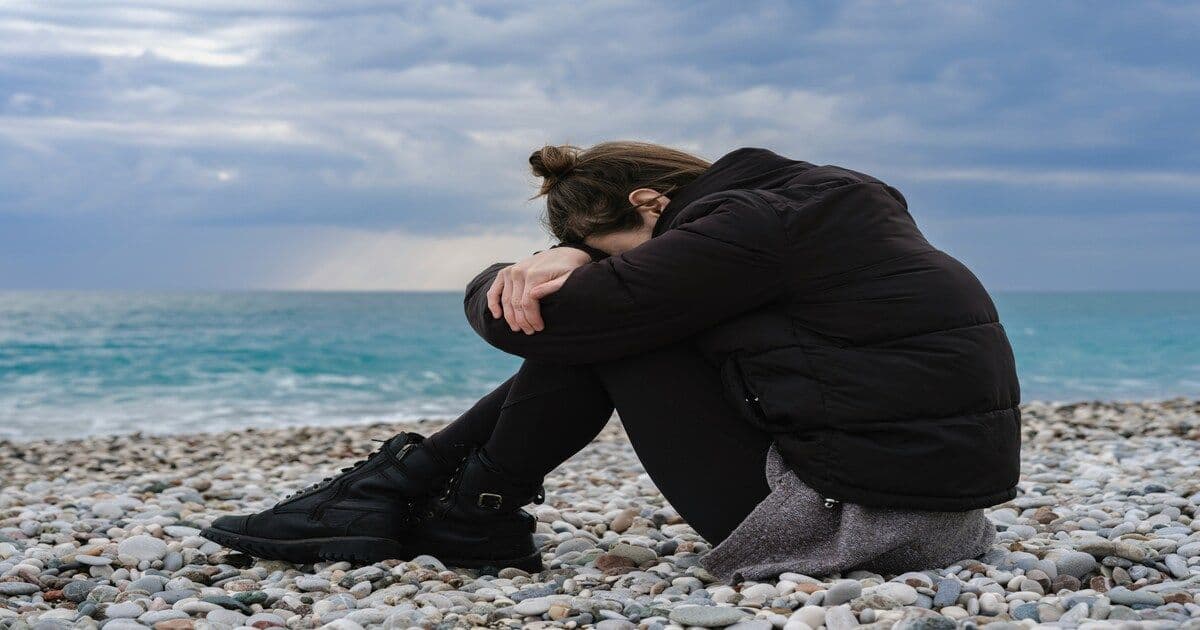
Climate anxiety is becoming a growing concern for many people. We often find ourselves discussing anxiety stemming from work, relationships, finances, or health, but for a rising number of individuals, the source of distress feels much broader. It's worry about the future of the planet itself. Each person has their own unique set of personal challenges, yet many also share a common unease about the world's future, influenced by current events and predictions.
Understanding Climate Anxiety
Climate anxiety refers to the worry, fear, stress, or sense of helplessness that arises when people contemplate climate change and what lies ahead for our planet. The World Health Organization has recognized that climate change is not only an environmental issue but also a growing mental health concern, particularly among young people who are increasingly exposed to climate-related distress and uncertainty.
Take, for instance, a university student who is already stressed about their academic performance and career choices. As they scroll through social media, they stumble upon alarming news articles about scientists' warnings or devastating floods affecting certain communities. Suddenly, their worries expand beyond just exams and grades; they start to think about the next 10 or 20 years. This emotional weight is what we call climate anxiety.
It's important to clarify that climate anxiety isn't classified as a mental illness. Rather, it's a natural emotional response from individuals who care deeply about the world around them. However, it becomes problematic when these concerns feel overwhelming and disrupt daily life. Mental health professionals are observing that more people are expressing feelings of hopelessness, fear about the future, frustration with leaders and institutions, and guilt regarding their own environmental footprints. A common thought that crosses many minds is;
“I’m worried about how climate change could impact my life, my family, my community, or my future.”
If left unaddressed, this environmental distress can seep into and hinder an individual’s daily functioning. It’s a global issue that can have significant psychological effects on everyday people. Yet, while it’s a worldwide phenomenon, the fears associated with it are often shaped by local circumstances. For example, a farmer worried about drought, a family displaced by flooding, and a young person concerned about the future may all experience climate anxiety differently.
Why Climate Anxiety Looks Different Around the World
Are people becoming anxious because of climate change, or because the world itself feels increasingly uncertain?
In Nigeria, for example, daily anxiety for many people has less to do with melting ice caps and more to do with the harsh realities they face each day. Soaring food prices, inflation, extreme heat, insecurity, unemployment, and economic instability can create a relentless state of worry. When people are already struggling to afford basic necessities or are anxious about their safety, it’s tough to maintain a hopeful outlook for the future. The emotional strain of living in such prolonged uncertainty can gradually take a toll on mental health, even if individuals don’t label it as anxiety.
Now compare that to someone living in a country like the United States. While economic concerns exist there too, conversations around mental health are often shaped by different worries. News about wildfires, hurricanes, extreme weather events, political polarization, and global conflicts frequently dominate public discourse. For some people, the constant exposure to these events creates a sense that the world is becoming more unstable and unpredictable. Even when individuals are not directly affected, repeated exposure to distressing information can contribute to feelings of helplessness, fear, and emotional exhaustion.
What’s fascinating is that while the sources of concern may vary, the psychological effects can be surprisingly similar. Whether it’s a parent in Nigeria fretting over rising living costs or a young adult in the United States feeling overwhelmed by climate change and global issues, both can experience chronic stress about what lies ahead.
Nigeria and the United States are just two examples. The same pattern can be seen in other places as well, influenced by local realities and conditions. The specifics may differ, but the emotional weight often feels the same.
How Climate Anxiety Affects Mental Health
Climate anxiety can take a toll on our mental health in several ways, including:
- Constant worry about what the future holds
- A disruption in our daily routines
- A sense of helplessness and a loss of control
- Emotional fatigue
- Grief over environmental loss
- Trouble focusing
- Sleep issues
- Feelings of hopelessness and negativity
- Heightened stress and anxiety levels
- Guilt about personal habits or lifestyle choices
- Difficulty making long term decisions, like career or family plans, because of uncertainty about the future
In more serious situations, some individuals might even start to withdraw from everyday life, feeling as though their efforts are futile.
How to Cope With Climate Anxiety and Anxiety About the Future
Climate anxiety can feel overwhelming, but it doesn't have to take over your daily life. The steps below won't make global uncertainty disappear, but they can help you manage how you respond to it and protect your mental wellbeing along the way.
1. Acknowledge that your feelings are valid.
It’s important to acknowledge that climate anxiety is a real experience, and your feelings are completely justified. With the constant barrage of news about climate disasters, conflicts, and economic instability, it’s only natural to feel anxious.
Recognizing and validating these emotions is often the first step toward managing them
2. Focus on what you can control.
It is normal to experience these concerns, but they should not become overwhelming to the point where they disrupt your daily life. Climate anxiety can feel like a heavy burden, especially when the issues at hand seem so vast.
Although global policies and international events may be beyond your control, there are still actions within your reach. The focus can be shifted to what you can influence, such as your daily actions, habits, and decisions.
3. Limit your exposure to distressing news.
Many of us find ourselves scrolling through our phones and social media, bombarded by a never-ending stream of alarming headlines. It is important to stay current and informed, but constant exposure to distressing news can heighten stress and lead to emotional fatigue.
Taking intentional breaks from news consumption isn’t an act of rebellion; it’s a necessary step to safeguard your mental well-being.
4. Stay connected to your community.
Anxiety, whether it’s generalized or specifically related to climate, often thrives in isolation. Engaging with others who share your concerns can help alleviate feelings of helplessness and remind you that you’re not alone in carrying these worries.
5. Seek professional support
If your concerns about the future start to interfere with your sleep, work, relationships, or daily life, it might be time to talk to a mental health professional. Persistent distress, no matter its origin, deserves attention and care.
Conclusion
Climate anxiety serves as a reminder that our mental health is shaped not just by our personal experiences, but also by the environment we live in. Even though we can't control every global issue, we can take proactive steps to safeguard our wellbeing, manage uncertainty, and reach out for support when worries about the future start to feel too heavy to bear.