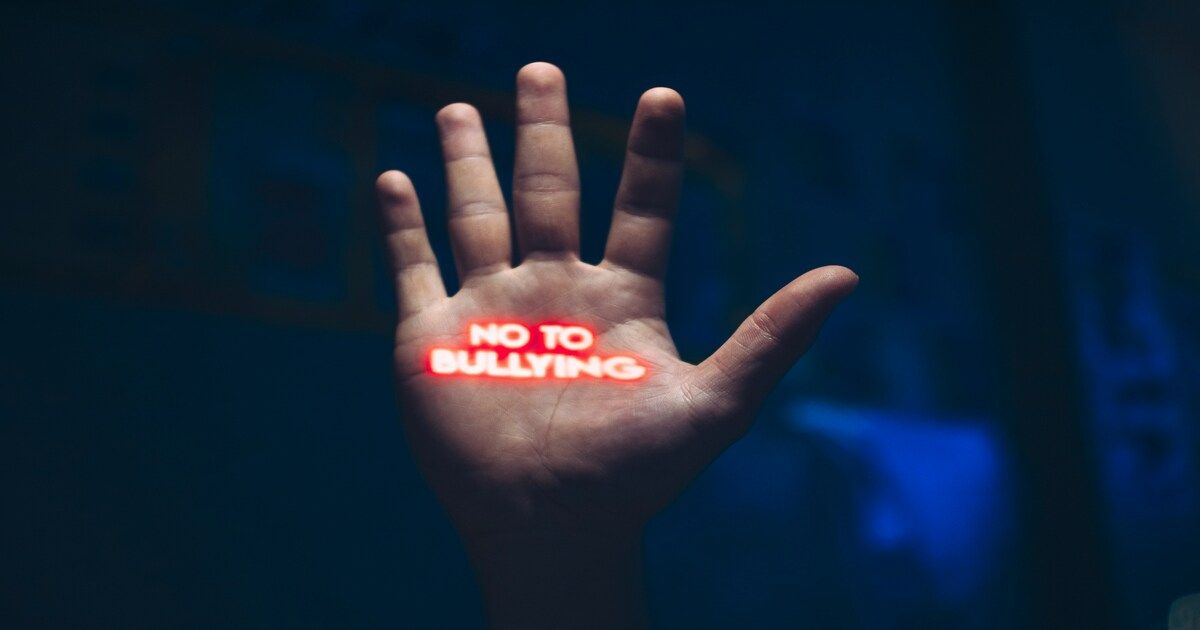
Bullying is a global issue that impacts schools, workplaces, online spaces, and communities, leaving deep emotional and mental scars. Anti-Bullying Week in the UK reminds us of the power of awareness, empathy, and action. We explore what bullying looks like, how it affects mental wellbeing, and practical steps you can take to safeguard yourself and help those around you.
Anti-Bullying Week in the UK
The International Day Against Violence and Bullying at School, including Cyberbullying, recognized by UNESCO, is observed on the first Thursday of November each year. In the United Kingdom, Anti-Bullying Week is organized by the Anti-Bullying Alliance and runs from 10 to 14 November 2025. The campaign aims to raise awareness, promote kindness, and empower individuals to take a stand against bullying in all its forms.
As part of the awareness this year, a viral video captured the story of Thomas, a Manchester City fan, and his family, highlighting the profound personal impact bullying can have. In Thomas’s own words, he had been picked on severely over the past few years. He was pushed around, mocked, and laughed at by his friends, sometimes thrown to the floor or sat on. For Thomas, these were not just acts of cruelty; they were the highest form of betrayal from people he trusted.
Equally heartbreaking is the despair in his mother’s voice. She spoke of the sadness and helplessness she felt watching her once confident son spiral downwards, losing the self-confidence he once had, unable to fix what was happening. To show their support, the club reached out to Thomas and his family as part of Anti-Bullying Week, inviting them for a tour and surprising him with a chance to meet one of his favorite Manchester City players. While this campaign is UK-based, bullying is a global issue affecting children, teenagers, and adults worldwide.
What is Bullying?
Bullying is the intentional act of harming, humiliating, or intimidating another person. It is more than a one-time argument or joke; it’s repeated behavior meant to hurt, humiliate, or control someone. Bullying does not discriminate; it transcends age, gender, and geography. It occurs in schools, workplaces, universities, online platforms, and even within communities. It can take various forms:
- Verbal bullying: Name-calling, teasing, threats, or any form of harmful speech.
- Relational bullying: Social exclusion, spreading rumors, or damaging someone’s relationships.
- Cyberbullying: Using digital platforms to harass, intimidate, or embarrass someone.
- Physical bullying: Hitting, pushing, or other acts of physical aggression.
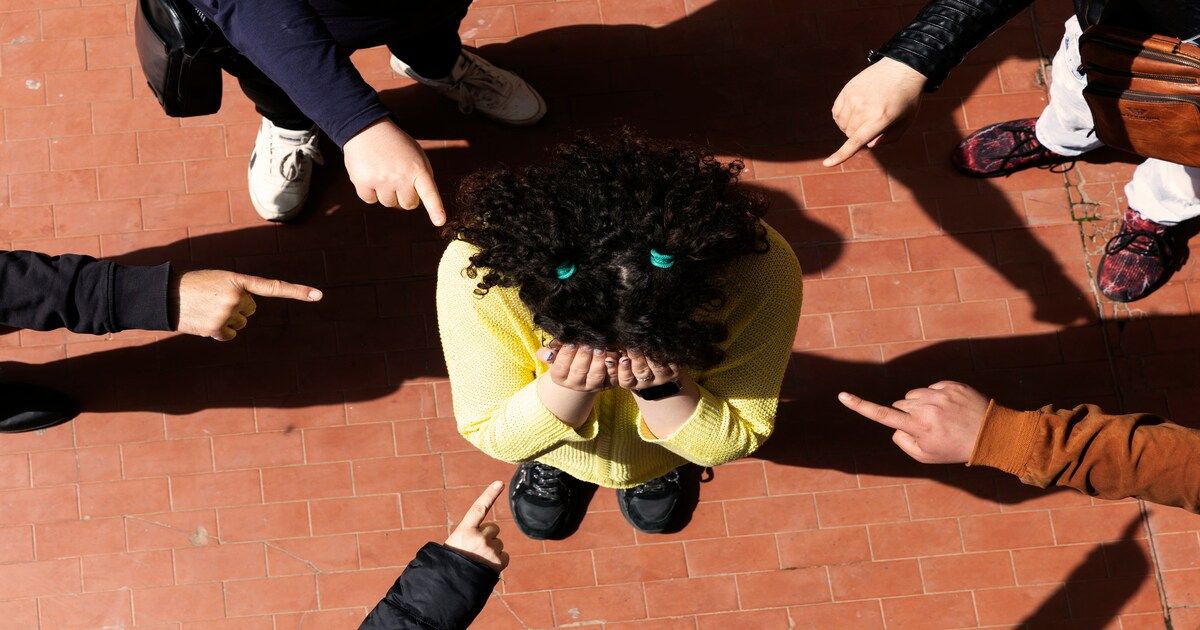
Bullying is not confined to any single culture or country. In the UK, reports indicate that thousands of children experience bullying each day, both in schools and online. In Nigeria, studies reveal that a significant proportion of adolescents report being bullied, often in silence due to social stigma or fear of retaliation. In the United States and Canada, cyberbullying has become a rising concern, with social media creating new platforms for harassment. In many societies, cultural norms or lack of awareness can normalize bullying behaviors, making it even more challenging to address.
Awareness campaigns such as Anti-Bullying Week serve as critical reminders that combating bullying requires collective action. It is not enough to focus on a single week; the conversation, intervention, and support must continue throughout the year.
Effects of Bullying on Mental Health
Bullying inflicts harm and offers no benefit. Its consequences extend far beyond the immediate moment, shaping the mental health and overall wellbeing of victims in profound ways:
- Anxiety: Being constantly targeted physically or verbally creates a heightened state of stress and fear, making it difficult for victims to focus, sleep, or trust others.
- Depression: Persistent bullying can lead to feelings of hopelessness, sadness, and emotional numbness, leaving victims disengaged from life.
- Post-Traumatic Stress Disorder (PTSD): Repeated bullying can produce flashbacks, hypervigilance, and an ongoing sense of danger, even long after the incidents have ended.
- Low self-esteem: Victims, like Thomas, who were once confident, may begin to doubt their worth, questioning their abilities and value in social settings.

5. Social withdrawal: Victims often retreat into themselves, avoiding friends, family, and social situations to escape further harm.
6. Suicidal thoughts and actions: Tragically, many victims may contemplate or act on suicide to escape the torment. Globally, suicide remains one of the leading causes of death among bullied adolescents. According to the World Health Organization, adolescents who experience bullying are twice as likely to attempt suicide compared to their non-bullied peers.
These effects can persist into adulthood, influencing relationships, career progression, and overall quality of life.
How to Deal with Bullying
Everyone has a role to play in addressing bullying.
- Parents: Pay close attention to your children and take any sign of bullying seriously. Teach them empathy, discipline when necessary, and ensure they understand the impact of their actions on others. Encourage open communication so that children feel safe sharing their experiences.
- Educators and Schools: Many bullying incidents occur without parental knowledge. Schools must implement policies and systems that detect, prevent, and respond to bullying. Encourage students to report incidents safely, provide support for victims, and hold bullies accountable. It is vital that schools promote inclusive environments where students are supported and protected.
- Mental Health Professionals: Victims may require professional help to recover from the psychological effects of bullying. Therapy, counseling, and peer support groups can help victims regain confidence and rebuild self-esteem. In some cases, bullies may also benefit from professional intervention to address underlying issues driving their behavior.
- Peers and Communities: Friends and peers have the power to support victims, speak out against bullying, and create a culture that does not tolerate abuse. Standing up for others can break cycles of cruelty and encourage positive social behaviors.
If you know someone who has been affected by bullying, you can give a therapy gift card to show your support and care for their mental wellbeing.
Conclusion
Anti-Bullying Week may be UK-based, but its message resonates everywhere: bullying is unacceptable, and no one should endure it in silence. Whether in schools, workplaces, online platforms, or within communities, it is everyone’s responsibility to recognize, intervene, and support those affected. The story of Thomas reminds us that even small acts of kindness and recognition can restore hope and confidence in those who have been hurt.
Frequently Asked Questions on Bullying
How do I know if I am being bullied?
If you constantly feel unsafe, anxious, or ashamed around certain people, or if someone repeatedly mocks, pushes, or isolates you, you might be experiencing bullying. Bullying leaves marks beyond the skin such as emotional pain, lowered confidence, and sometimes fear of going to school or work.
How can I cope with bullying at school, work, or online?
Start by reaching out to someone you trust, be it a friend, family member, or counselor. Document incidents if possible, set boundaries, and protect your mental space. Remember, you are not alone, and seeking help is a sign of strength, not weakness.
How can I stop cyberbullying?
Cyberbullying can feel relentless because it follows you online. Block the person, report abusive content, keep evidence, and share your experience with someone who can support you. Online platforms are required to take action, and your safety matters above all.
How do I help a friend who is being bullied?
Be present, listen without judgment, and validate their feelings. Encourage them to speak up and seek help, and if appropriate, support them in reporting the bullying. Sometimes, just knowing someone cares can make a world of difference.
Can adults be bullied too?
Absolutely. Bullying doesn’t stop at school. Workplaces, universities, and online communities all have their share. Adults may face verbal harassment, social exclusion, or online attacks, and the mental impact can be just as serious.
What should parents do if their child is bullied?
Pay attention and take any sign seriously. Communicate openly with your child, teach empathy and accountability, and involve schools or counselors if needed. Your guidance can help your child regain confidence and feel safe again.
Can bullying be prevented?
Yes, through awareness, consistent rules, and teaching empathy. Schools, families, and communities all play a role. Encouraging kindness, standing up for others, and promoting inclusive spaces can break the cycle of bullying.
When should I seek professional help?
If bullying leaves you feeling anxious, depressed, withdrawn, or if you ever have thoughts of harming yourself, it’s crucial to seek professional support. Therapists, counselors, and support groups can help victims heal and rebuild their confidence. Even some bullies may need guidance if their behavior is persistent and harmful.