
Have you ever met someone who reacts differently depending on their environment? Maybe a messy room makes them anxious while a clean room energizes them, or being with a particular person brings out a certain side of them that doesn’t appear when they are with someone else. These examples show that our surroundings influence much more than we realize. They affect our thoughts, our emotions, our mental energy, and the way we react or don’t react to situations.
Our environment is not limited to the physical spaces we occupy, such as our homes or workplaces. It also includes the people we interact with daily, the relationships we maintain, and the circles we move in, both offline and online. Understanding how these factors influence us is key to maintaining emotional wellness and overall mental health.
Physical Environment and Your Mood
The physical environment refers to the tangible spaces and surroundings we occupy every day. This includes our homes, workplaces, classrooms, outdoor areas, and even the layout, lighting, noise levels, and décor of these spaces.
The spaces we inhabit can have a significant impact on our wellbeing. A tidy, organized space can reduce stress and help us focus, while cluttered or chaotic environments can make us feel overwhelmed or restless. Lighting also plays a role; some people thrive in natural sunlight, which can elevate mood and energy, while others are more sensitive to artificial lighting or color schemes, which may affect how they feel and perform throughout the day.
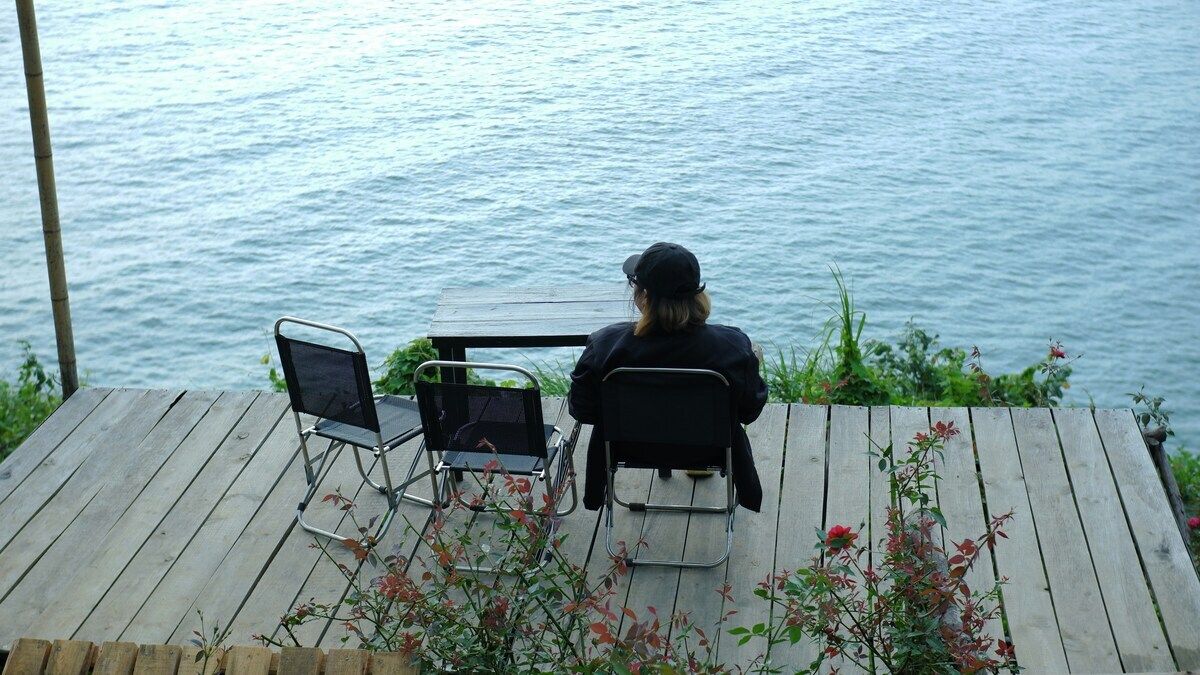
Noise is another important factor. Some individuals are accustomed to and even thrive in noisy, busy environments, while many others find loud or chaotic spaces stressful, increasing feelings of anxiety. Similarly, exposure to natural elements, such as greenery, water, or sunlight influence mood. The characteristics of the physical environment, including its layout, lighting, sounds, and presence of natural elements play a significant role in shaping how people think, feel, and respond to daily life.
Social Environment and Your Emotional Wellbeing
The social environment encompasses the people, relationships, and social networks that surround us. It includes family, friends, colleagues, neighbors, and even the online communities we engage with. Equally important is the social environment we create for ourselves.
The people we spend time with, the quality of our relationships, and even the circles we engage with on social media all affect our mental health. Relationships can have either positive or negative effects, sometimes without us even realizing it. Working closely with toxic individuals, for example, can gradually influence our behavior and drain our energy, affecting different areas of life.
Social media is another environment that requires careful attention. It is easy to become immersed in feeds that are negative, overwhelming, or full of content we never consciously signed up for, and this can affect our emotions and overall mental state.
Simple Habits to Create a Positive Environment
There are practical habits we can adopt to shape our environment in ways that support our wellbeing. These small, intentional changes accumulate over time, helping to improve overall wellbeing and create an environment that supports rather than hinders mental health.
- Setting boundaries with negative or noisy spaces can help protect our focus and energy.
- Adding plants indoors, or spending time outdoors if that’s not possible, allows us to connect with the calming effects of nature.
- Choose your social circle carefully. Spend time with people who uplift, inspire, and support you, while limiting interactions with those who drain your energy.
- Beyond people, curate what you consume by being mindful of the media, music, and online content you expose yourself to. Positive, educational, or inspiring content can uplift your energy and mood.
- Seemingly simple task as decluttering a chaotic room can make a meaningful difference. Removing items that no longer serve a purpose frees up both physical and mental space to create a calmer and more productive environment.
untidy environments may lead to increased stress, and decluttering can help people feel more calm, in control, and mentally clear.- WebMD
- Rotate or refresh your space periodically. Small changes like rearranging furniture, switching artwork, or changing your lighting, can prevent stagnation and boost energy.
RELATED ARTICLE: 10 Everyday Habits That Could Be Fueling Your Stress Without You Knowing
Conclusion
Our environment physical, social, and digital) plays a profound role in shaping our thoughts, emotions, and overall mental health. Small, deliberate adjustments to our surroundings and the people we interact with can lead to meaningful improvements in mood, focus, and emotional wellbeing. Taking the time to reflect on our environment and make changes where necessary is not just about comfort; it is about caring for our mind, body, and spirit. A healthier environment can help us feel more balanced, more energized, and better equipped to handle the challenges of daily life.