
For a long time, owning a private practice meant renting a room, handling bookings through calls and emails, and paying for several separate tools to keep everything running. Many therapists who wanted independence decided it was too much to take on. That has changed. Today, a therapist can put a practice online under their own name, take bookings, see clients by video and get paid, all from one platform and without hiring a developer.
This article looks at what private practice looks like for therapists now, what you can set up yourself, and where TranqBay fits in.
What is a Private Therapy Practice?
A private therapy practice is an independent service where a qualified therapist provides counselling, psychotherapy or other mental health support directly to clients. Unlike therapists who work solely in hospitals, clinics or other organisations, private practitioners manage both their services and the day-to-day running of their business.
What has changed is how much of a practice can now run online. Some therapists still rent or share an office, but many see clients by video or audio, and others combine online and in-person sessions. How a practice is set up depends on the therapist’s qualifications, interests and resources.
Why Do Therapists Choose Private Practice?
Many therapists move into private practice because it gives them more say over how they work. Instead of fitting into an organisation’s structure, they can shape their careers around their own preferences and the needs of their clients.
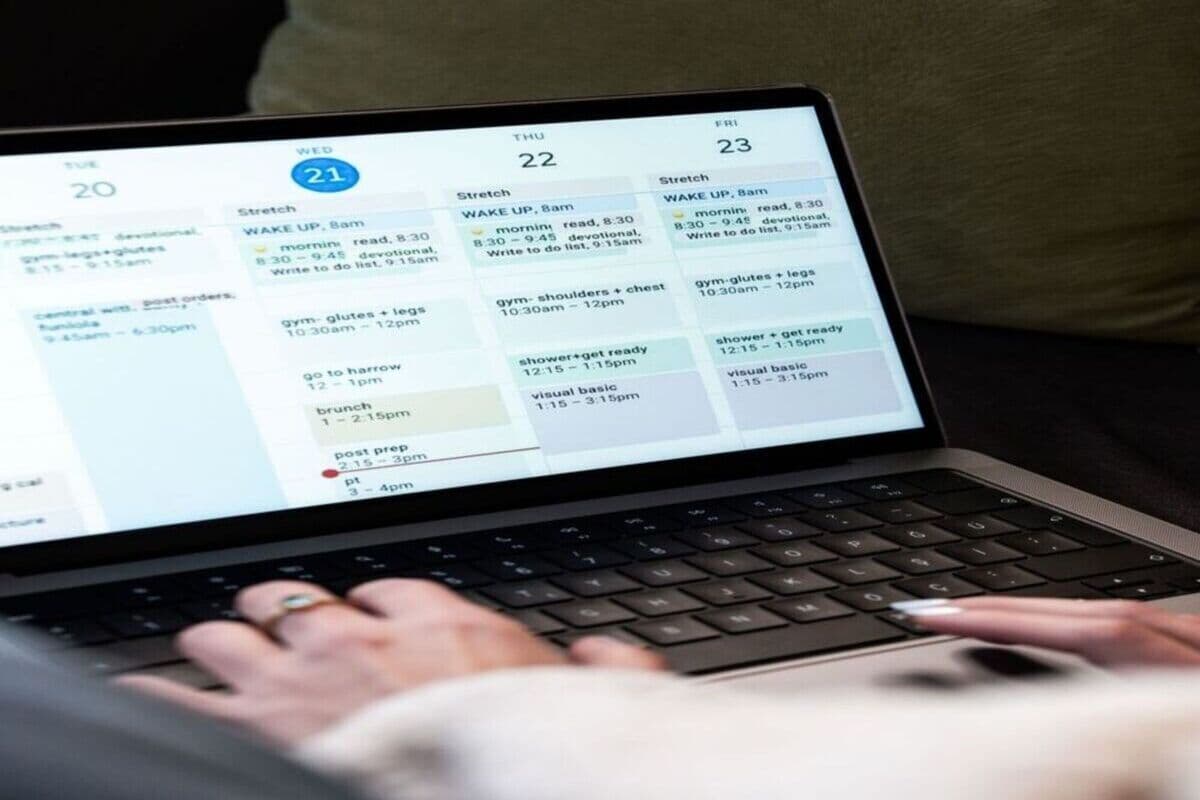
One of the main reasons is control over working hours. In private practice, therapists decide when they are available and how many clients they can take on comfortably. This makes it easier to build a schedule that supports good clinical work and still leaves room for rest.
Private practice also lets therapists focus on the areas they are trained and experienced in. A therapist who works mostly with couples, for example, can build their practice around that work instead of taking on a wide range of cases.
Another reason is the ability to set their own fees. Therapists can charge rates that reflect their qualifications, their experience and the cost of running a practice, while also taking their local market into account.
Running a private practice also allows therapists to develop a professional identity of their own. They can explain their approach to therapy in their own words, and clients get a clearer sense of who they will be working with before they book a session.
These benefits come with added responsibility. Alongside seeing clients, therapists have to handle the business side of the practice, including administration, marketing and finances. Managing both well is an important part of building a practice that lasts.
What You Can Now Do as an Independent Therapist
The business side is the part that used to hold many therapists back, and it is also the part that has become much easier to manage. These are the main things you can now set up yourself.
Put your practice online under your own name
A website allows prospective clients to view a therapist's qualifications, areas of specialisation, approach to therapy and consultation fees before making contact. You no longer need a developer to have one. Platforms built for therapists offer ready-made templates, and on TranqBay you can describe a change in plain words, such as adding a short section on how you work with anxiety, and see a preview before you apply it. You can start on a TranqBay address and connect your own domain later. If you already have a website, you can keep it and add booking to it.
Take bookings and payments without the back-and-forth
Clients can see the times you have opened and book them directly, instead of exchanging emails to find a slot. New clients can start with a consultation request and answer a few questions you have written yourself, and you decide whether to accept, suggest another time or decline. Connecting your Google Calendar stops clients from booking times when you are busy, and reminders go out to you and your clients before each session. Clients pay when they book, so you are not chasing invoices afterwards.
Run sessions and notes from the same place
Clients can join a video session from their browser with nothing to install, and calls are end-to-end encrypted. Audio and in-person sessions are supported too, along with couple, family and group sessions. Your notes sit next to the session they belong to, using templates such as SOAP, DAP, BIRP and GIRP. Some platforms also offer AI-drafted notes. If you use them, you should be able to switch them off for any session, and you should always read and edit the draft before saving it.
Bring the clients you already see
If you are leaving a clinic or a group practice, or already see some clients privately, you do not have to start from zero. You can invite existing clients by email or import your list, and share your booking link in your email signature or on your social profiles. Clients you bring with you remain your clients.
What Has Not Changed
Better tools do not replace your professional responsibilities. You still need to meet the licensing, registration, insurance, confidentiality and record-keeping requirements that apply to your work. These requirements may differ depending on where you practise and the services you provide. Make sure you understand them before accepting clients and review them as your practice grows.

Run Your Private Practice with TranqBay
Managing a private therapy practice involves more than providing clinical care. TranqBay brings essential tools for appointments, client management, payments and communication together in one platform.
Therapists can also create a booking page or publish a professional website to help prospective clients find their services.
The platform includes several features designed to support everyday practice management:
- Client management: Invite existing clients or import their information to keep client records organised.
- Appointment scheduling: Set available hours, manage bookings and receive calendar updates and session reminders.
- Online sessions: Conduct encrypted video sessions, with audio and in-person sessions also supported.
- Session notes: Use clinical note templates, with optional AI-drafted notes available for review.
- Payments and earnings: Accept payments during booking, track earnings and manage payouts.
- Client communication: Use secure messaging to communicate with clients through the platform.
TranqBay offers two plans for private practitioners. The Professional plan includes booking management, client tools, secure video sessions, messaging and note templates. The Premium plan adds website publishing, the option to use a personal domain and AI-drafted session notes.
Therapists can review the available features and choose the plan that best fits their practice. Ready to organise your private therapy practice? Visit TranqBay's Private Practice page to explore the plans and get started.
Final Thoughts
Private practice has always offered therapists more independence, but the work behind it kept many from trying. With a website, booking, video sessions, notes and payments available in one place, setting up on your own is more within reach than it has been before. The professional standards stay the same, and the tools now take on more of the administrative work, which leaves you more time for your clients.
With thoughtful planning and systems that support your work, you can build a private practice that meets your professional needs and gives your clients a clear, organised experience.