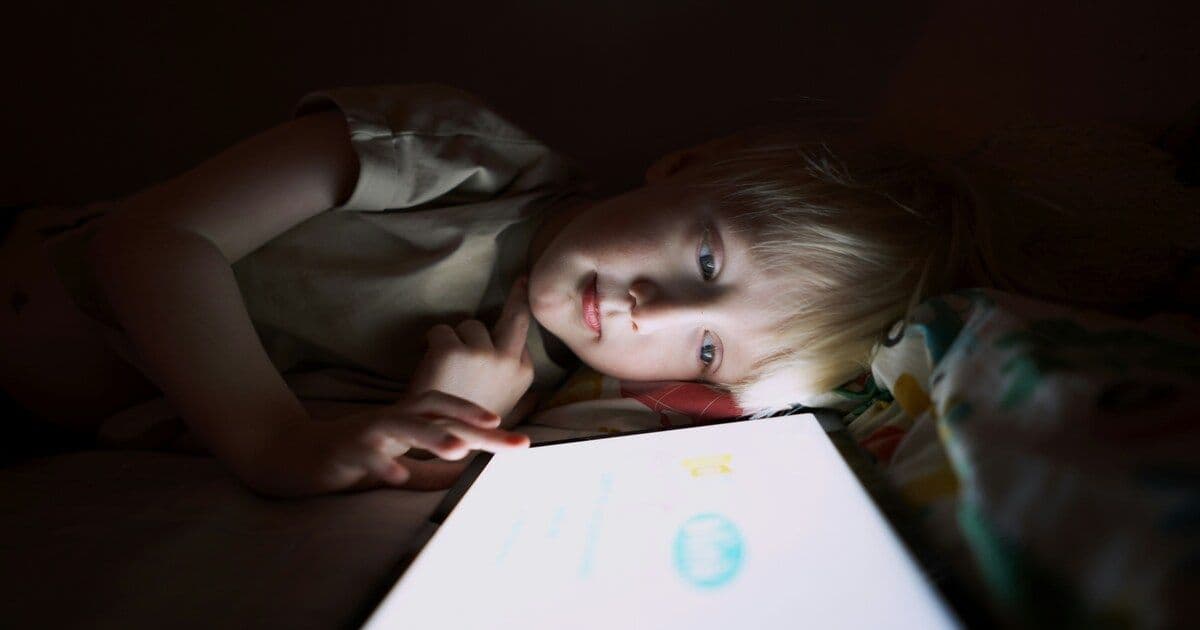
Children’s Mental Health Awareness Week 2026 runs May 3–9, and this year the conversation is moving online, where many of the challenges children face are now happening quietly behind screens, one scroll at a time.
What is Children's Mental Health Awareness Week?
National Children's Mental Health Awareness Week is dedicated to raising awareness about the importance of children's mental health and the need for early intervention and treatment.
Each year during the first full week of May, communities across the United States observe Children’s Mental Health Awareness Week, led by SAMHSA and the National Federation of Families. This year, the National Federation of Families is centering the conversation around the theme “Behind the Screen: Education, Prevention, Connection,” highlighting the growing impact of digital life on children’s emotional wellbeing.
In 2026, conversations around children's mental health are increasingly focused on what happens behind the screen. It invites parents, educators, and caregivers to examine how screen time, social media, and digital life are affecting the emotional development and mental health of children today.
With youth mental health declining and screen time at an all-time high, this week is not just about awareness. It is about action, and about asking harder questions about the world children are growing up in.
The State of Children's Mental Health in 2026
The numbers going into 2026 are hard to ignore. Mental illness among young people is rising, and it has been for years. Anxiety, depression, and behavioral disorders are being diagnosed earlier. Suicide remains the second leading cause of death among young people aged 10 to 24. Yet many children still go without the support they need.
What has changed significantly in recent years is the environment children are growing up in. A decade ago, the conversation around children's mental health focused largely on home life, school pressure, and peer relationships. Those factors still matter deeply. But today, the digital world has become part of the conversation too.
Children are spending more time online than any previous generation. Social media, gaming, group chats, and constant notifications have become part of daily life from a very young age. While some of that brings connection, it also brings comparison, cyberbullying, sleep loss, and a constant pressure to perform for an invisible audience.
In 2026, understanding children's mental health means understanding their online lives too. You cannot separate the two anymore.
Behind the Screen: What Technology Is Doing to Our Children
Children today are growing up in a world dominated by screens. Smartphones, tablets, social media, gaming, and constant connectivity are now part of childhood from a very early age.
Technology offers real benefits, including learning tools, social connection, and creative outlets. But when it is not balanced thoughtfully, it also carries risks. Some of these effects are subtle at first, but over time, they can begin to affect a child's emotional wellbeing, behavior, and sense of self.
- Social comparison and self-esteem:
Children who spend significant time on social media are exposed to curated images and highlight reels that can distort their sense of self-worth.
- Cyberbullying:
Online spaces have become new arenas for bullying, often harder for parents and teachers to detect than in-person behavior.
- Sleep disruption:
Screen use before bedtime affects sleep quality, which is directly tied to emotional regulation and mental health in children.
- Reduced face-to-face connection:
Digital communication can replace the deep, in-person connection children need to thrive emotionally.
- Anxiety and overstimulation:
The relentless pace of digital content can heighten anxiety and reduce a child’s ability to sit with boredom, uncertainty, or discomfort.
Technology is not the enemy. The aim is to encourage families, schools, and communities to be intentional about how, when, and why children engage with screens.
Signs to Watch For in Children
Mental health challenges in children often show up differently than in adults. Some signs are easy to miss or misinterpret as just acting out. Some signs to look out for include:
1. Sudden changes in behavior or mood
2. Persistent sadness or withdrawal from family and friends
3. Excessive worry or fear, especially around everyday routines
4. Changes in appetite or sleep patterns
5. Difficulty concentrating or a drop in academic performance
6. Frequent outbursts or aggressive behavior
7. Increased time on screens paired with growing emotional distance
8. Physical complaints like headaches or stomach aches with no medical cause
Paying attention and asking gentle, open-ended questions can go a long way in identifying when a child is in distress.
How You Can Help
Listen without dismissing.
If a child says they're anxious about friendships or scared of something online, don't write it off as drama. Small problems in their world can feel overwhelmingly big.
Create tech-free moments.
Carve out intentional time each day for meals, bedtime, and outdoor play where screens are put away and real connection takes center stage.
Talk openly about online life.
Ask children what they're watching, who they're talking to, and how it makes them feel. Normalize the conversation so they know they can come to you.
Seek professional support.
When signs of distress persist, parents and caregivers should reach out to a certified counselor or therapist. Early intervention is key to long-term well-being.
Advocate in schools.
Teachers should be equipped to recognize when a child is struggling emotionally, not just academically. Schools should be safe spaces, not places where children feel constantly pressured.
Support policy change.
Mental health strategies should be embedded in school policy, with funding for trained counselors, wellness programs, and digital literacy education.
Ways to Support Children’s Mental Health Awareness
Start a screen-time conversation at home
Wear green to show solidarity
Share this article on social media
Talk to your child's school about mental health resources
Donate to a children's mental health organization
Educate yourself
Conclusion
Children are not too young to struggle, and because of that, they are not too young to be supported.
As we mark Children's Mental Health Awareness Week 2026, let it be more than a date on the calendar. Let's listen better, connect more intentionally, and make it easier for children to get help when it's needed.
Mental health matters at every age, especially when the age is young enough to be shaped by the love, presence, and attention of those around them.
You can book a session with a licensed child and adolescent therapist or start your journey toward better mental health for your child today.