Something is happening to young people, and it is becoming impossible to ignore.
With Mental Health Awareness Month beginning tomorrow, May 1, 2026, conversations around youth mental health are gaining renewed urgency. Recent data from researchers, health organisations, and young people themselves suggests that mental illness among the younger generation is not only increasing, but doing so at a concerning pace.
The WHO’s 2026 statistical report shows that about one in seven teenagers globally, roughly 14 percent, is currently living with a mental health disorder. That single figure alone should stop us in our tracks.
Serious mental illness in young adults has quadrupled in just over a decade, climbing from 3 percent to 12 percent. Young adults aged 18 to 25 now carry the highest rates of mental health conditions of any adult age group, with 33.2 percent affected overall and 9.4 percent living with a serious mental illness.
And yet, many are suffering in silence. Mental illness is widely underdiagnosed and undertreated among young people, even as 75 percent of all lifetime mental illness develops before the age of 24. That means the opportunity to intervene and create meaningful change is narrow.
Why this is happening is a question every parent, educator, and young person deserves an honest answer to. There is no single cause, but several forces are colliding at once.
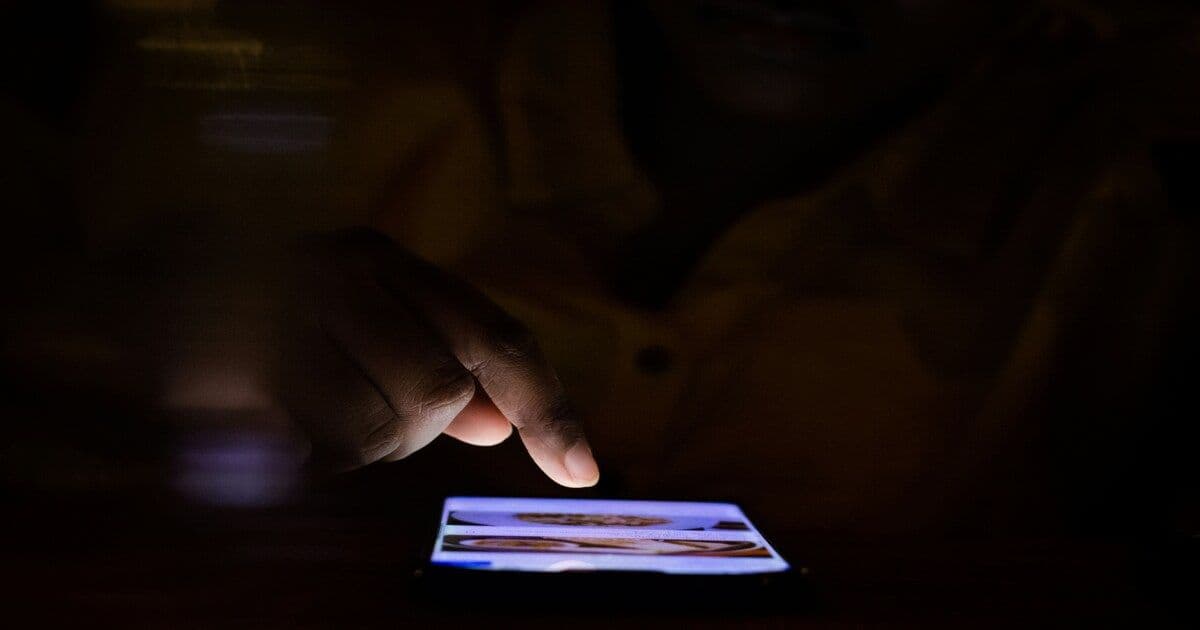
Teenagers with four or more hours of daily screen time are more than twice as likely to show symptoms of anxiety or depression compared to those with lower exposure. Social comparison, online pressure, and the relentless pace of digital life are taking a measurable toll, especially on young women. Among Gen Z women, a significant number say social platforms negatively affect their body image.
Economic anxiety is also playing a role, with many young people believing their generation is not set up for success and most reporting a lack of financial stability. Uncertainty about the future often affects mental health, and what looks like weakness is usually just someone coping under pressure.
Underneath all of this sits a treatment gap that has persisted for years. More than half of people living with a mental illness still do not access any form of treatment. For young people especially, stigma, cost, and not knowing where to start remain significant barriers.
The consequences of untreated mental illness in young people do not stay invisible for long. Over half of Gen Z report disrupted sleep patterns tied to their mental health, while others struggle to concentrate and withdraw from social events entirely.
Children aged 6 to 17 are approximately three times more likely to repeat a school grade if they are living with mental, emotional, developmental, or behavioural challenges. Struggles that begin in childhood quietly shape the adults young people become, affecting their careers, relationships, and sense of self.
Suicide is now the second leading cause of death for people aged 10 to 14 and 25 to 34, and the third leading cause for those aged 15 to 24. These are not abstract statistics; they are young lives.
In a difficult picture, the good news is that awareness is growing and conversations are opening up, while the stigma that once kept people silent is slowly beginning to fade.
Also, a growing body of research supports the power of good support. Early intervention, access to therapy, and simply feeling like someone is in your corner make a measurable difference in long-term outcomes.
If you are a young person reading this, or a parent, or someone who has been quietly struggling, this is a good moment to reach out for professional support. There is no better time to take that first step as Mental Health Awareness Month begins.
Considering therapy? Tranqbay's initial consultation is a low-commitment first step to finding the right support, for you, or for someone you love.
REFERENCES
World Health Organization (WHO). Mental Health Fact Sheet 2026. https://www.who.int/news-room/fact-sheets/detail/mental-health-strengthening-our-response
Newport Healthcare. A Look at Youth Mental Health in 2026. https://www.newporthealthcare.com/resources/industry-articles/high-acuity-mental-health/
NIHCM Foundation. Youth Mental Health: Trends and Outlook. https://nihcm.org/publications/youth-mental-health-trends-and-outlook
Innerwell. Mental Health Statistics 2026. https://helloinnerwell.com/reflections/mental-health-statistics
Grow Therapy. Gen Z Mental Health Statistics 2026. https://growtherapy.com/blog/gen-z-mental-health-statistics/