
“Maxxing” is everywhere, but is constant self-improvement helping or hurting your mental health?
From Looks to Sleep, Everything Is Getting ‘Maxxed’
The “maxxing” trend is gaining attention online as people use terms such as looksmaxxing, sleepmaxxing and healthmaxxing to describe efforts to optimise different parts of their lives. The term, which originated as internet slang, refers to trying to get the most out of something or improve it as much as possible. It has since expanded beyond its earlier online use, with people applying “-maxxing” to everything from appearance and fitness to sleep, productivity and finances. As the trend becomes more common, it is also raising questions about the pressure to constantly improve and what that can mean for mental wellbeing.
The word itself has a longer history than its recent popularity suggests. Maxxing comes from “maximizing” and can be traced back to “min-maxing,” a term used in gaming for building a character in a way that makes the most of its strengths. The idea later moved into online communities, where looksmaxxing became one of the most recognisable forms of the term. It was initially associated with online communities focused heavily on male appearance and attractiveness before the word began appearing in wider internet culture.

Today, the word is being used far beyond appearance. People talk about sleepmaxxing when they are trying different ways to improve the quality of their sleep, from keeping their bedroom cool and dark to using sleep trackers and trying elaborate bedtime routines. Healthmaxxing can involve changing diet, exercise or supplement habits in the hope of getting better results. Someone focused on building their body may talk about gymmaxxing, while moneymaxxing is used for efforts to increase income or improve finances. The growing list of maxxes says something interesting about the way self-improvement is being discussed online.
There is nothing wrong with wanting to improve your life. Getting better sleep, eating well, exercising regularly, taking care of your appearance or becoming more financially responsible can all support a person’s wellbeing. However, there is a thin line between self-improvement and self-punishment, and maxxing culture can blur that line.
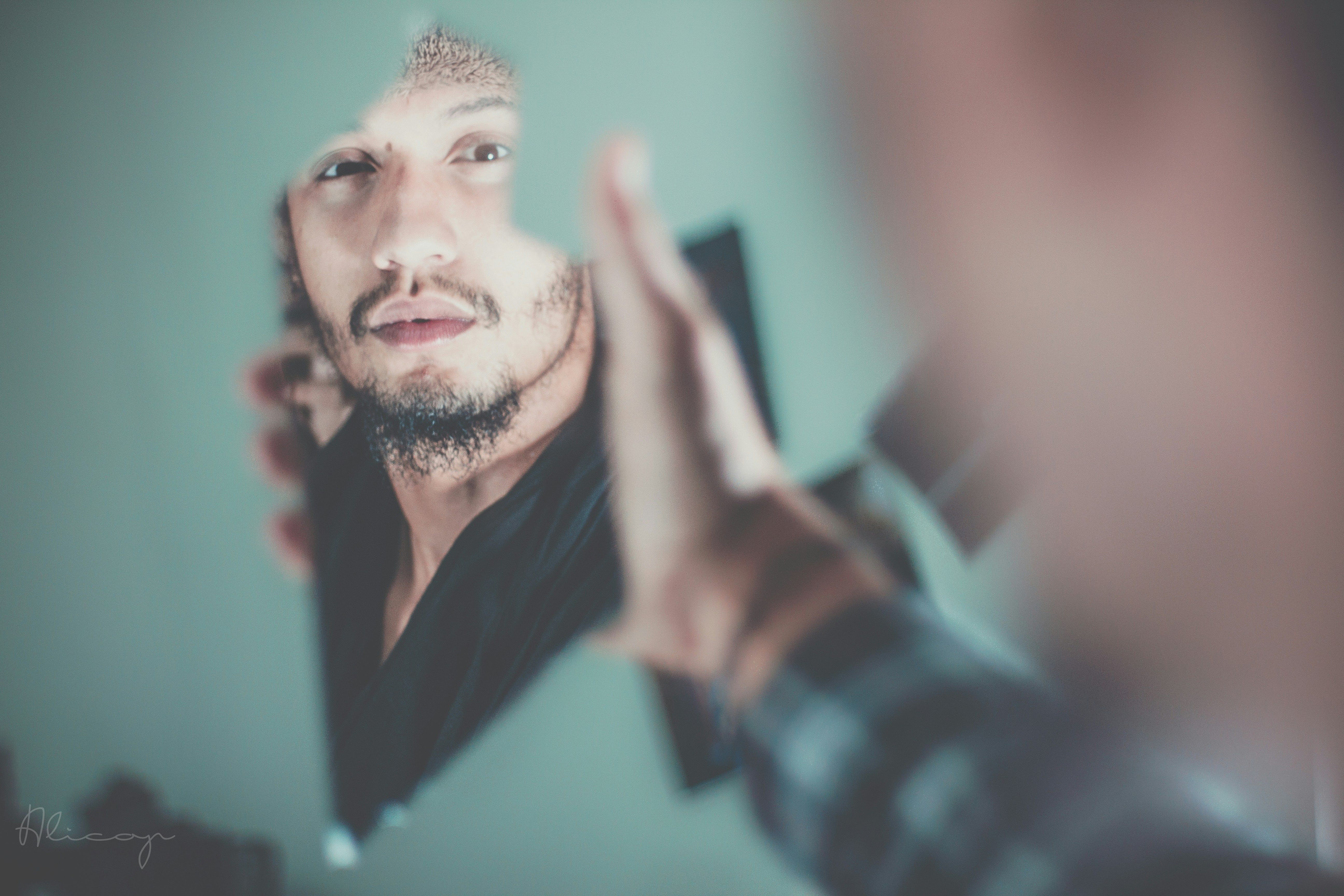
Building better sleep habits and more intentional routines can be genuinely useful in everyday life. The problem starts when the pursuit of improvement tips into obsession. It becomes a constant surveillance of the self, where you are always measuring but never feel optimised enough. Looksmaxxing communities in particular can reinforce negative body image, pushing people deeper into appearance obsession rather than confidence. The communal nature of maxxing means the comparison never really stops.
This is where maxxing offers a current cultural example of something psychologists have been observing for years. The pressure to constantly optimise and avoid falling behind can become connected to perfectionism, anxiety, self-criticism and dissatisfaction. The American Psychological Association reported in 2026 that perfectionism among college students has risen over the past 35 years, with higher levels of perfectionism associated with depression and anxiety.
Sleepmaxxing offers one example. The trend has become particularly popular, with more than 100 million TikTok posts associated with it. Some of the advice is relatively harmless, such as keeping the room dark or avoiding caffeine late in the day. Other practices include mouth taping, sleep supplements and elaborate bedtime routines. The American Academy of Sleep Medicine has warned that becoming too preoccupied with getting perfect sleep can increase anxiety and, ironically, make it harder to sleep.
The same concern can apply to other areas of life. Trying to become healthier can be a positive thing, but constantly worrying about whether you are eating perfectly can become stressful. Taking care of your appearance can boost confidence, but always looking for another flaw to correct can make it difficult to feel satisfied with how you look. Health experts have similarly warned that some healthmaxxing trends promote extreme diets and supplements without enough evidence that they are beneficial.
Maxxing is not inherently harmful, but mental wellbeing also requires recognising that every part of life does not need to be perfected. Improvement can be healthy without becoming a constant evaluation of whether you are doing enough. The real balance is being able to pursue growth without making your peace of mind dependent on the next thing you need to improve.