Celebrity Mental Health Struggles
Celebrities across different parts of the world are increasingly speaking publicly about mental health, from personal struggles and therapy to advocacy and awareness campaigns. Recent examples from the United States, Nigeria and the United Kingdom show how celebrities are approaching the subject in different ways.
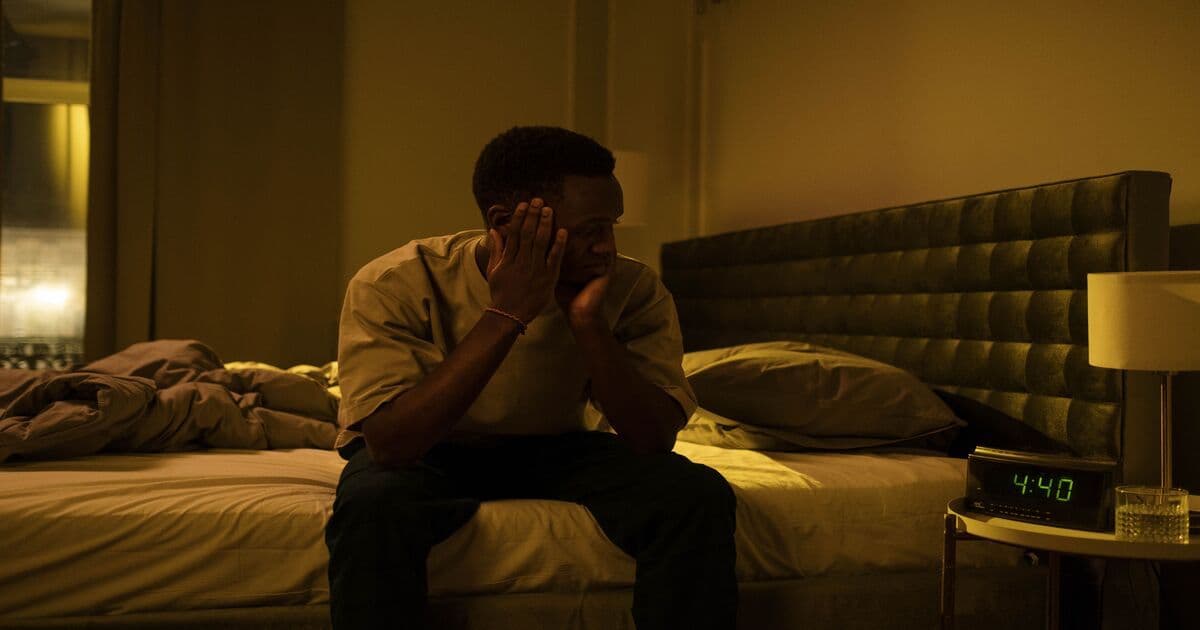
Celebrities have always been role models in areas like fashion, relationships and career choices. Now they are also shaping how people understand mental health. For years, their silence may have reinforced the idea that fame comes with emotional invulnerability, presenting celebrities as people who simply have it all together. Their wealth and visibility can also make them appear insulated from the difficulties experienced by ordinary people. If someone who has money and opportunities still struggles, it can seem confusing to imagine what there is to be unhappy about.
But that assumption is being challenged. Celebrities are opening up about therapy, seeking professional help and taking part in mental health awareness campaigns, offering a more visible reminder that success does not make anyone immune to anxiety, burnout or depression.
The growing number of celebrities talking about mental health is not necessarily evidence that mental health problems are suddenly more common among famous people. It may simply mean that more of them are willing to talk about what was once kept private.
In the United States, Mychal Threets, the librarian and Reading Rainbow host known for his warm and uplifting online presence, recently told followers that he was “not okay” and was seeking help, including going to the hospital. Threets has previously spoken openly about his mental-health struggles and burnout.
The conversation also extends to the United Kingdom, where actress Shona McGarty has spoken publicly about her experience with anxiety while supporting the NHS Talking Therapies campaign, which encourages people experiencing anxiety-related conditions to seek professional support.
In Nigeria, actor Chinedu Ikedieze has taken a different route, using his public profile for mental-health advocacy after being appointed Mental Health Ambassador for Echoes Africa Initiatives. His role includes promoting mental-health awareness and challenging stigma.
The significance of these conversations extends beyond the celebrities themselves. Mental-health stigma can shape how people understand mental illness and whether they feel comfortable talking about their experiences or seeking support. The American Psychological Association notes that stigma and misconceptions surrounding mental illness can contribute to negative attitudes toward people experiencing these conditions.
This makes the growing visibility of celebrities discussing their own experiences particularly relevant. Their reach also gives these conversations the potential to move beyond entertainment platforms and into homes, workplaces and social media spaces where discussions about mental health may otherwise be limited. When public figures speak openly about diagnosis or emotional crisis, they bring experiences that are often kept private into mainstream conversations.
It also changes what audiences see when a celebrity struggles. A withdrawal from public life or a change in behaviour no longer has to be read only as failure or loss of relevance. There is now more room to consider that the person may be dealing with something privately.
That does not make celebrities mental-health experts, and one disclosure does not automatically translate into better public understanding. Personal experiences differ, and professional support still matters most. But when people with large platforms openly discuss seeking that support, they can help make conversations about therapy and mental health feel less unusual and less shameful.
For people experiencing persistent emotional distress, seeking support early can be important. Speaking with someone you trust or a mental-health professional can provide an avenue for support, rather than waiting until the situation develops into a crisis. Behind the fame, the headlines and the public image, celebrities are still human, and so is everyone watching them.
Sources
San Francisco Chronicle — Reading Rainbow’ host Mychal Threets says he is seeking help.
NHS England — NHS Talking Therapies campaign and Shona McGarty's experience with anxiety.
Independent Nigeria — Chinedu Ikedieze Takes On Mental Health Advocacy, Leads Campaign Against Stigma.
American Psychological Association — Fighting the stigma of mental illness, with Patrick Corrigan, PsyD.