
Bedtime is one of the quiet gifts of being human. It is the point in the day when you get to put the work down and let your body and mind rest, and that rest matters for both physical health and mental wellbeing. For some people, though, bedtime turns into a source of stress. If the thought of getting into bed makes your chest tighten, you may be dealing with sleep anxiety.
What is Sleep Anxiety?
Sleep anxiety is the fear or worry associated with falling asleep or not getting enough sleep. It can make bedtime feel stressful, particularly if the thought of another sleepless night is difficult to ignore. Sleep anxiety can also involve fear of waking up repeatedly during the night or feeling exhausted the following day. These concerns can gradually turn bedtime into something to dread rather than a welcome end to the day.
Getting into bed may trigger worries about being unable to fall asleep, the limited hours left before morning, or the impact of poor sleep on the day ahead. A person may feel physically exhausted but mentally alert, watching the clock and growing frustrated as sleep remains elusive. The pressure to fall asleep can make it even harder to relax.
Sleep anxiety is different from insomnia, although the two can occur together. Insomnia is a sleep disorder characterised by difficulty falling asleep, staying asleep, or waking earlier than intended despite having adequate opportunity to sleep. Sleep anxiety, on the other hand, centres on the fear or worry surrounding sleep itself. After repeated nights of poor sleep, a person may begin to dread bedtime, and that anxiety can make falling asleep even more difficult.
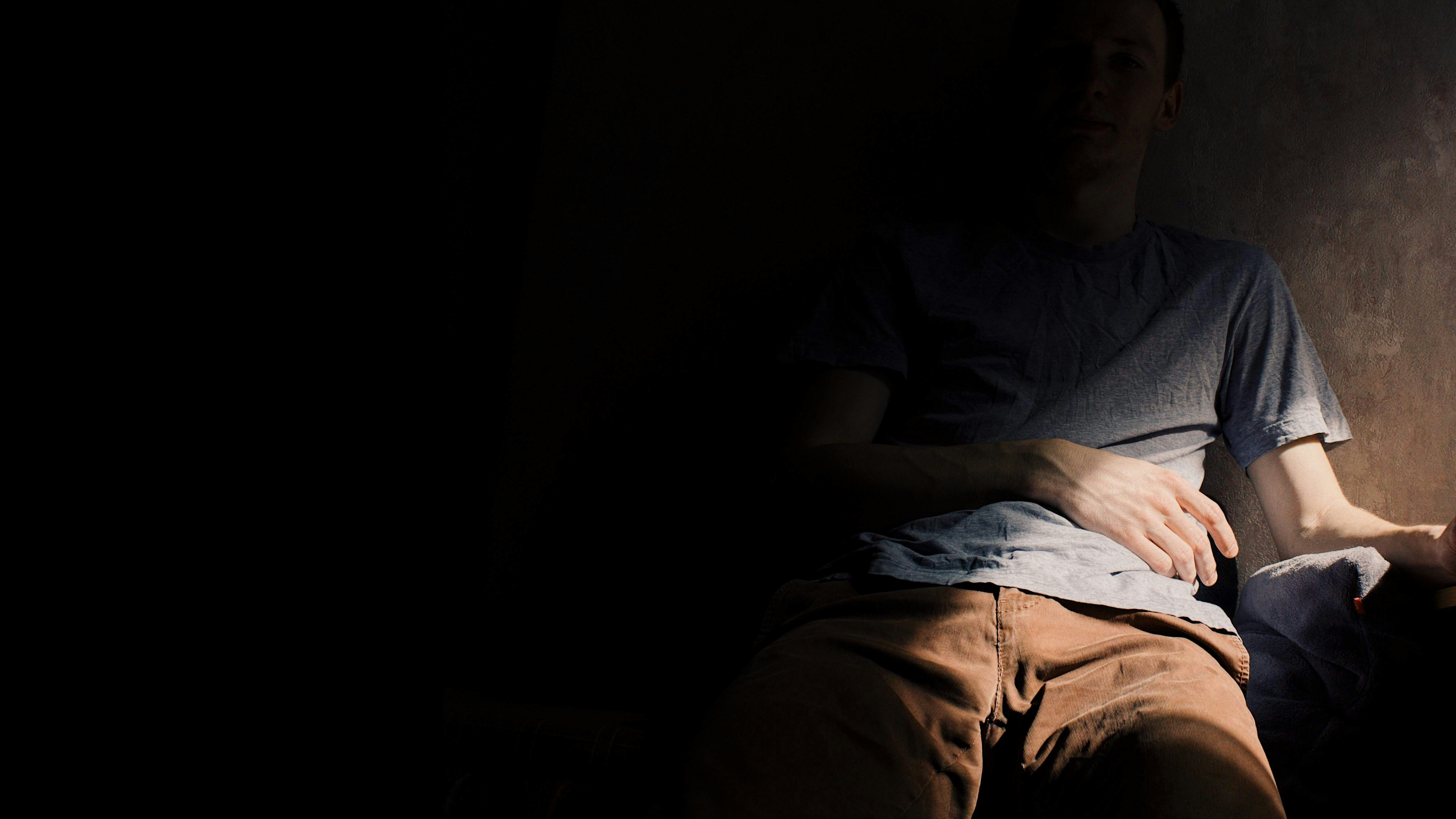
The Cleveland Clinic's guide to sleep anxiety also explains how anxiety and sleep problems can reinforce each other, making it harder to break the cycle. Sleep anxiety may be more likely in people who already have an anxiety disorder or a sleep disorder. However, it can affect anyone, particularly during periods of stress or after repeated nights of poor sleep.
What Causes Sleep Anxiety
Many things can make a person anxious or tense about bedtime. These are some of the most common.
- Fear of another bad night. After a few nights of poor sleep, bedtime can start to feel like a test you expect to fail. That dread keeps the body alert, which makes sleep even harder to reach.
- An existing anxiety disorder. People already living with anxiety may find it harder to relax at bedtime. The National Institute of Mental Health (NIMH) identifies difficulty falling or staying asleep as a possible symptom of generalised anxiety disorder.
- Trauma or distressing dreams. Bad experiences and recurring nightmares can make sleep feel unsafe, so the mind resists letting go.
- Everyday stress. Daily stress can make it difficult to relax at bedtime. Worries about unresolved problems may continue into the night and interfere with sleep.
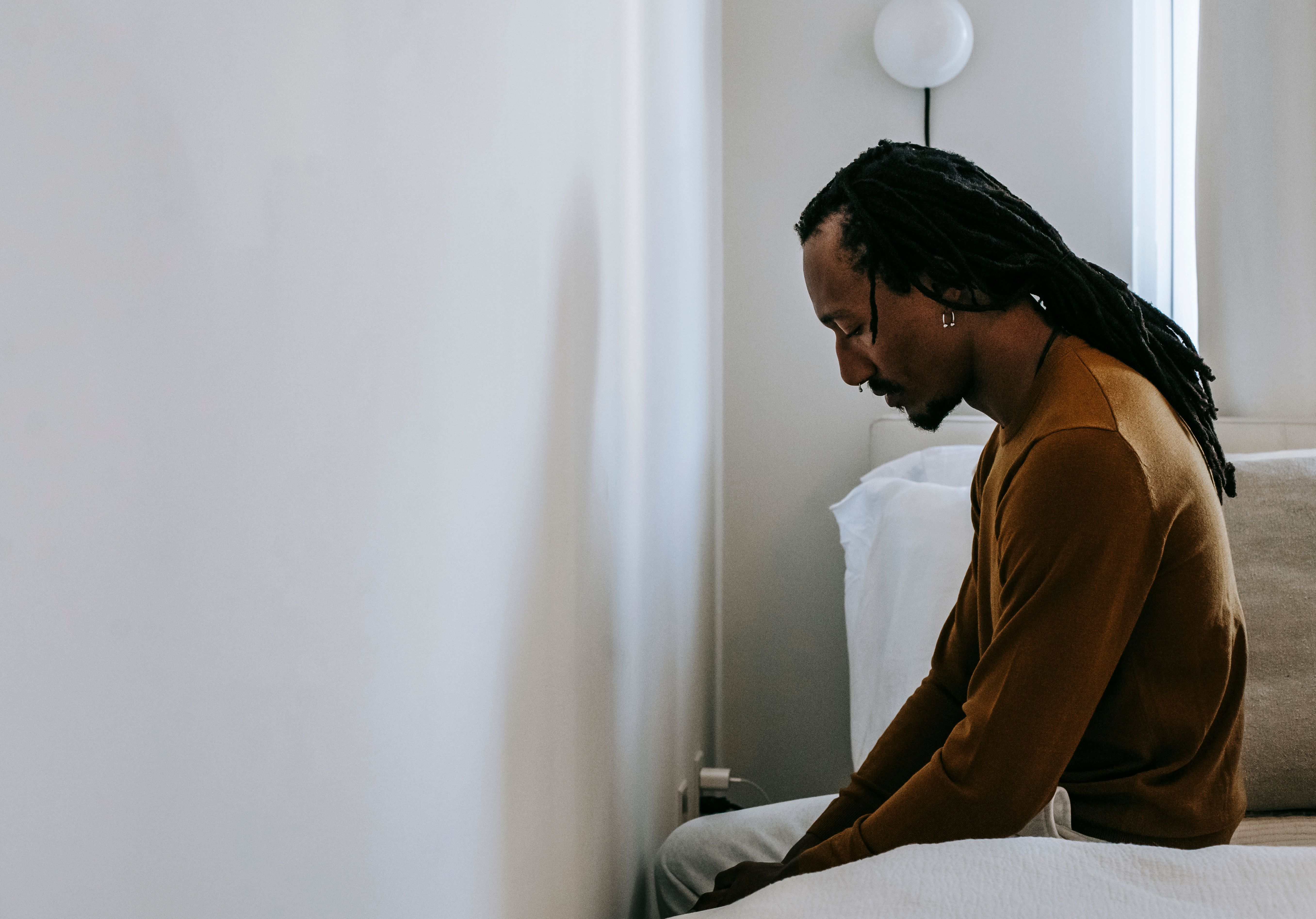
- Overthinking at night. Persistent thoughts can make it difficult to calm the mind at bedtime. This can delay sleep and increase frustration, especially when a person is already worried about not getting enough rest.
Poor sleep is harmful in its own right. It can bring back a past anxiety disorder or worsen a current one, and it can wear down your general health over time. This is why sleep anxiety is worth taking seriously instead of waiting it out.
How to Manage Sleep Anxiety
Managing sleep anxiety involves addressing the worries that make bedtime stressful, as well as the habits that affect sleep. A few changes to your daily routine and your approach to sleepless nights may help reduce the pressure you feel around bedtime.
- Stop trying to force sleep. The logical response to a sleepless night is to push yourself to sleep, yet effort keeps the brain alert. The harder you try, the further sleep drifts.
- Step away for a while. If sleep has not come after a stretch of time, leave the bed. Sit somewhere quiet with soft light, do something calm, and return when you feel drowsy.
- Keep clocks and phones away from the bed. Watching the time turns every minute into a calculation of how little sleep remains, which feeds the very anxiety you are trying to quiet.
- Try to identify your triggers. Pay attention to what is on your mind as bedtime approaches. A short note in a journal can help you see patterns you would otherwise miss.
- Build a routine. Small daily habits shape how well you sleep at night, and they work best when practised consistently. Choose a fixed time to wake up and a fixed time to go to bed, and keep to both as closely as you can. Prepare your sleep environment too, so the room feels calm and comfortable.
- Practice sleep hygiene. Cut back on caffeine later in the day and give yourself a screen-free wind-down before bed. Slow breathing or gentle muscle relaxation can also help the body ease out of alert mode. Keep naps short, or skip them if they make nights harder.

7. Consider professional help. If sleep anxiety persists or begins to affect your daily life, consider speaking with a mental health professional. Cognitive behavioural therapy for insomnia (CBT-I) is an established treatment for chronic insomnia. It addresses the thoughts and behaviours that interfere with sleep and may include relaxation techniques. Depending on the underlying problem, a healthcare provider may also recommend treatment for anxiety or medication. Speak with a healthcare professional before using over-the-counter sleep aids, as some can cause side effects or dependence.
Closing Thoughts
Sleep anxiety can make bedtime feel like something to endure instead of something to look forward to. The encouraging part is that it responds well to care. Small changes such as a steady routine and a calmer sleep space add up over time, and learning what sets off your worry gives you something concrete to work with.
Frequently Asked Questions
Why am I scared to go to sleep?
A deep fear of sleep itself is sometimes called somniphobia. It may develop after repeated sleepless nights or distressing dreams, or stem from feeling vulnerable while unconscious. If the fear is strong or keeps returning, a mental health professional can help you work out what sits behind it.
Can you have a panic attack at night?
Yes. Some people wake suddenly with a racing heart and a sense of dread, and others feel the panic build as they lie awake. These episodes can be frightening. If they recur, speak with a healthcare professional to determine the cause.
Is sleep anxiety a mental health condition?
It is a form of anxiety tied to sleep. It can appear alongside a diagnosed anxiety disorder or on its own, and a professional can help you understand which applies to you.
Can lack of sleep make anxiety worse?
Yes. Anxiety makes sleep harder to reach, and poor sleep raises anxiety the following day, so the cycle tightens night after night. Breaking it usually means addressing both the worry and the habits around bedtime.
Can sleep anxiety cause physical symptoms?
Yes. Alongside racing thoughts, persistent sleep anxiety can bring nausea, stomach trouble, sweating, chills, and fast breathing.