World Mental Health Day
World Mental Health Day is observed every year on October 10. Established by the World Federation for Mental Health in 1992, the day raises awareness of mental health and encourages action to improve mental health support. It also highlights the importance of mental health in people's everyday lives and communities.
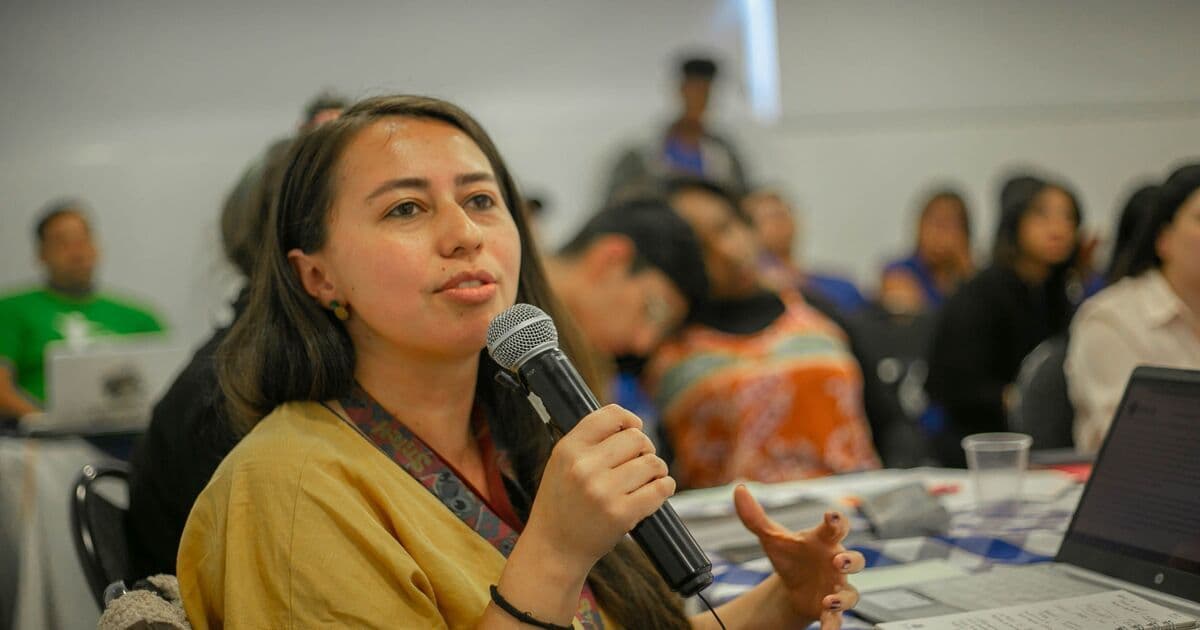
The 2026 theme, “Lived Experiences Heard: Real Voices, Real Change,” calls for people who have experienced mental health conditions to have a greater say in the programmes that affect them. Their experiences can help shape mental health care that better reflects people's needs.
What is Lived Experience?
Lived experience is the knowledge a person gains from going through something themselves. In mental health, it comes from living with a condition and from going through the process of seeking, receiving or being unable to access care. This kind of knowledge gives a person an understanding that others who have only read or heard about the experience may not have.
People around the world live with depression, anxiety, ADHD, trichotillomania and many other conditions. Experiences differ from person to person, and so do the barriers to getting help. Some people wait years for a diagnosis. Others are diagnosed but cannot afford or reach treatment. This is why awareness remains necessary, because understanding is what makes it easier for people to speak openly and ask for support.
For a long time, the emphasis has been on getting people to have mental health conversations and share their stories, and that awareness work remains important. This year’s theme goes further and asks that people with lived experience (PWLE) be included in decisions about the policies, services and programmes that affect them, and that their knowledge be recognised as a form of expertise.
Mental health systems should be built with people with lived experience, and not only for them. Being listened to is the first step. Having a share in the decision is the next one. - World Health Organization (WHO)
Why Lived Experience Matters in Mental Health Decision-Making
A familiar saying holds that you cannot fully understand another person until you have walked in their shoes. In mental health, PWLE have walked that path. They know what it is like to be diagnosed, to wait for an appointment, to be treated well or poorly by a service, and to find that the help they needed was not available.

Research and clinical training are important, and this does not take anything away from them. Good mental health systems depend on evidence. Still, knowledge gained through study and knowledge gained through experience are different, and each one shows things the other can miss. Research can show how common a condition is. Lived experience shows what it is like to live with it and what kind of support makes a real difference.
Policies written only from theory can overlook how services work in practice. A service may meet every requirement on paper and still be difficult to access or uncomfortable to use, because the people it was built for were never consulted.
How to Involve People With Lived Experience
Governments, health systems and organisations can begin with these steps:
- Include them as stakeholders. People with lived experience should take part in drafting and reviewing mental health policies, with real influence over the outcome.
- Involve them at every stage. The WHO recommends including them as equal partners in policy development, service design, implementation and evaluation.

- Design services with them. Ask people with lived experience how care should be set up, from how someone first reaches a service to how they are treated once they are there.
- Build it into the system. Listening works best when it is supported by structures such as advisory groups, paid roles and regular consultation, so that it continues beyond a single event.
There are changes when systems are built with people who use them. When people with lived experience help shape mental health systems, those systems are more likely to be person-centred and responsive to what people actually need. Services become easier to use, and people are more likely to trust them.
What You Can Do on World Mental Health Day
Taking part does not require a background in policy. People with lived experience are often not far away. They can be friends, family, colleagues or acquaintances, and these days even strangers open up about their mental health online.
Listening to them without hurrying to offer solutions is a good place to begin, and so is speaking about mental health as an ordinary subject instead of an uncomfortable one.
If you work in a space where decisions are made, you can ask whether PWLE are involved. If they are not, the next question is why, and the answer is often a gap that can be closed by inviting them in.
World Mental Health Day happens once a year, but the work of improving mental health care continues beyond it. This year’s theme is a reminder that the people who have lived through these conditions should be part of that work from the start.
World Mental Health Day is observed every year, and each year’s theme brings a different focus. To see how the conversation looked last year, you can read our [World Mental Health Day 2025 article]
If you are struggling with your mental health, you deserve support. Consider reaching out to a qualified mental health professional to discuss what you are experiencing and explore the care that may help you.