Can dads get postpartum depression? Yes, and it happens more than anyone talks about. One in ten new fathers experience postpartum depression after childbirth, yet most never say a word about it. This is the story of one father who loved his child deeply, showed up every single day, and was still quietly struggling.
Postpartum Depression in Fathers
The baby came on a Tuesday morning, seven pounds and four ounces, with a face that looked nothing like what Mark had imagined and everything like something he had not known he needed.
He cried in the delivery room. He was not ashamed of that. He had prayed for this child for three years, through one miscarriage and two failed cycles and more nights than he could count where his wife fell asleep with her hand pressed against her own stomach as if trying to hold something in place.
So yes, he cried. And when the nurse placed his daughter against his chest and she stopped making noise for exactly two seconds and just looked at him, he decided that was the best thing that had ever happened to him.
Mark went back to work ten days after the birth. He had not planned to return so soon, but there was a project handover that could not wait, and also, if he was being honest with himself, sitting in the house made him feel useless in a way he could not explain.
His wife was breastfeeding. The baby wanted her mother. The visitors came and held the baby and asked his wife how she was coping and made him tea he did not ask for. He felt grateful and invisible at the same time.
At the office, colleagues would often check in on him, asking how fatherhood was treating him. With a genuine smile, he’d reply, "It’s the best thing." Truly, he meant it. But he also couldn’t ignore the fact that he hadn’t managed to sleep more than three hours at a stretch for the past two weeks. On top of that, he found himself mentally tallying up the family's expenses at the most random times, in meetings, stuck in traffic, even while brushing his teeth.
He bought a baby monitor with a breathing sensor without being asked. He set it up himself, watched three tutorial videos to make sure he did it correctly, and then lay awake anyway listening for sounds the monitor had not alerted him to.
He is not an anxious man. He has never been. That is what made it strange.
The congratulations kept coming and he kept receiving them with a full smile. He was proud, especially when people's faces softened looking at his daughter's pictures on his phone.
But after visitors left, something would settle over the house and over him. It felt different from peace. He would sit with it for a few minutes before getting up to check on his wife, or prepare a bottle, or fold laundry, or find some other task to move toward, because being still felt like an invitation to think too much.
He missed going to the gym at six in the morning. He missed his wife in the way you miss someone who is right beside you. He missed uninterrupted sleep. Then, he felt guilty for missing any of it, because he had wanted this. He had asked God for this. Who mourns the arrival of an answered prayer?
He told no one.
It was two in the morning on a Thursday when his wife found him.
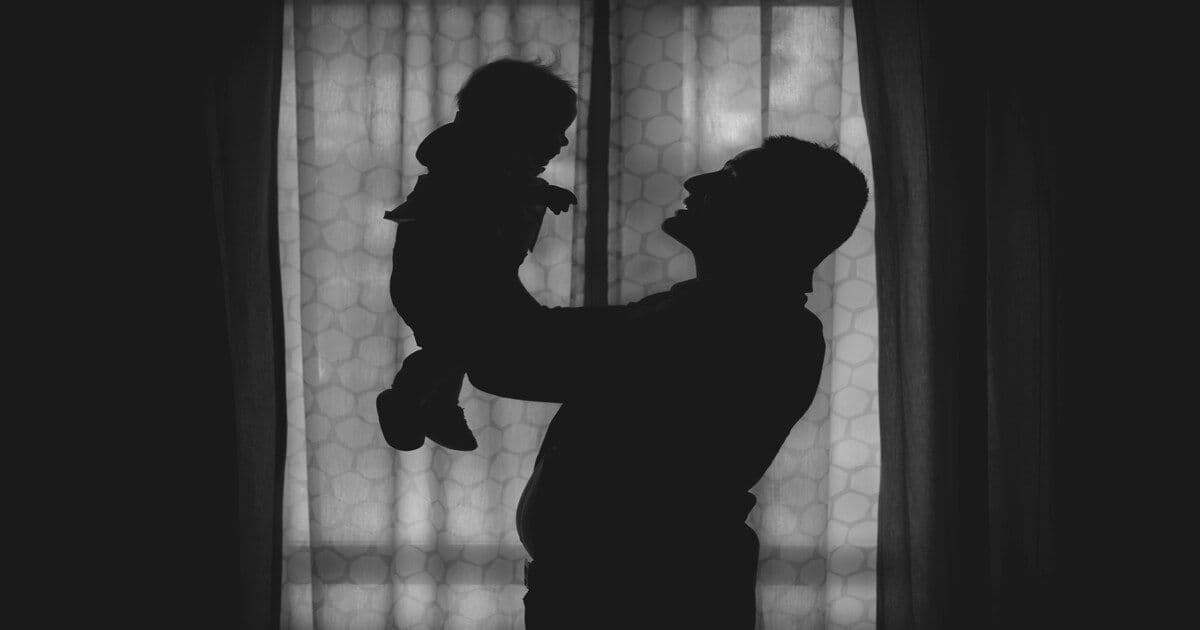
She had woken to feed the baby and noticed the bedroom was empty on his side. She followed the light. He was sitting in the chair they had placed beside the cot, just looking at their daughter with tears running down his face.
She stood in the doorway for a moment before she asked him if he was okay.
Mark opened his mouth to say yes. The word was already there. It was the word he had been using for weeks, automatically, before the question was even finished.
He said, "I am happy. I really am. I just did not know happiness could come with this much fear."
She sat on the floor beside his chair. She did not say anything for a while. Then she said, "Me too."
Paternal Postnatal Depression in Men is Real
What Mark was experiencing has a name, though he did not know it at the time. Paternal postpartum depression, sometimes called paternal postnatal depression, affects roughly one in ten fathers in the months following the birth of a child. It is often less visible than maternal postpartum depression, but it is real and can affect men even when they are functioning well on the outside.
It may show up as constant worry, emotional exhaustion, difficulty resting, irritability, anxiety or a persistent sense of pressure to get everything right. Also, the isolation that comes from seeing everyone focused on the mother and baby, while no one stops to check in on how he’s managing. Many fathers continue to show up for work, family, and daily responsibilities while silently struggling internally.
Becoming a father is also shaped by what society expects. The cultural narrative for new dads is limited. They are supposed to be strong, supportive, grateful, and always on top of things. There is little room in that narrative for adjustment, fear, or emotional overload.
Mark loved his daughter. He had prayed and waited for her. None of that was in question for even a moment.
But he didn't know that answered prayers could feel this heavy. He had needed someone to ask him the right question or someone to sit on the floor beside him.
It is Okay for Fathers to Ask for Help
If you are a new father, or you know one, and something about this story feels familiar, it matters.
Fatigue, emotional strain, and feeling overwhelmed can be part of the adjustment into fatherhood. Struggling does not make a man a bad father. It makes you a human one.
Speaking to therapist, a counsellor, a trusted person who will not immediately tell you to man up is not weakness. It is the same instinct that made you check the breathing monitor three times in one night. It is care turned inward, which is also something fathers are allowed to do.
Mark's wife sat on the floor because she did not know what else to do and sometimes that is enough. Sometimes being seen is the beginning.
Note
This article is a work of fiction, but the experience it describes is real. In recognition of Men’s Mental Health Awareness Month, if you or someone you know may be struggling, speaking with a mental health professional is a meaningful first step.