Depression and anxiety affect hundreds of millions of people worldwide, and the search for effective, accessible support continues to expand. Alongside conventional treatment options, nature-based approaches are gaining ground in mental health care. One of them is horticultural therapy, a structured, evidence-informed method that uses gardening and plant-based activities to support psychological well-being.
This is not about telling someone to go outside and touch grass. Horticultural therapy is a deliberate therapeutic practice, and there is growing research to support its place in mental health care.
What Is Horticultural Therapy?
Horticultural therapy refers to the guided use of gardening and plant-related activities as part of a structured program to support mental, emotional, and physical health. It is facilitated by trained practitioners and designed to meet specific therapeutic goals.
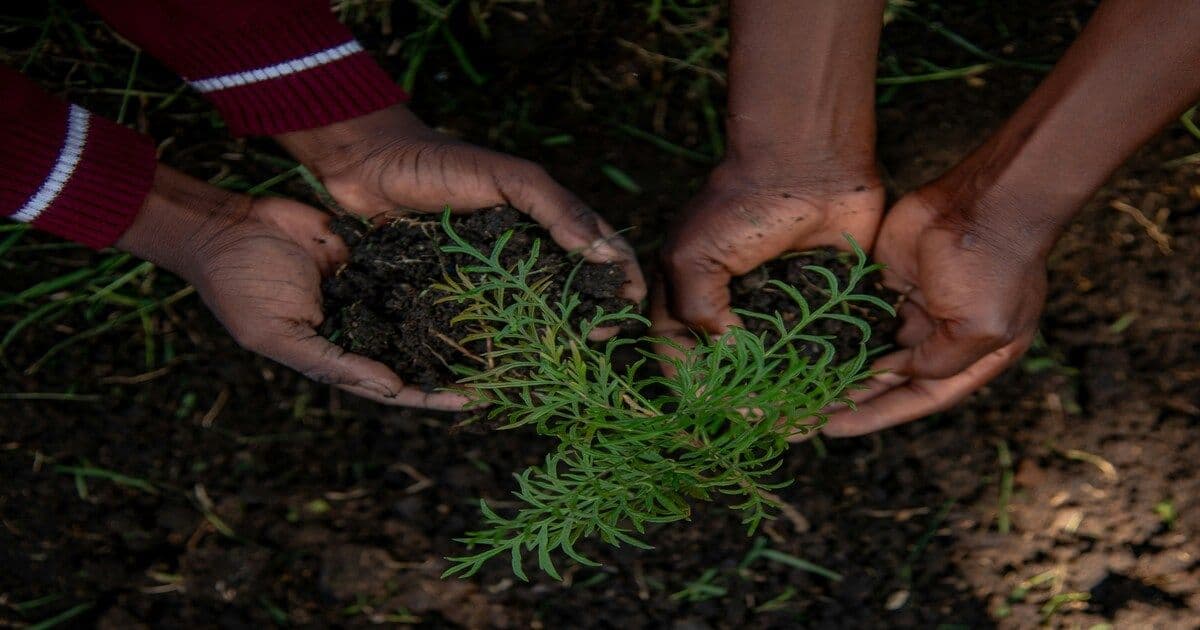
Common activities include planting and tending to flowers, herbs, or vegetables, soil-based work, watering routines, and observing plant growth over time. The key distinction between horticultural therapy and casual gardening is intentionality. Each activity is purposeful, chosen to promote focus, calmness, routine, and emotional engagement.
There is growing evidence that being around plants and carrying out horticultural tasks, such as watering and handling soil, can reduce negative thought spirals and help people focus.
How Horticultural Therapy Supports Mental Health
The benefits of horticultural therapy are not abstract. They show up in the body, in daily habits, and in the way the mind processes stress and emotion.
Stress and anxiety responses decrease
Working with plants engages the senses in a slow, grounding way. The repetitive nature of gardening tasks, watering, pruning, repotting, draws attention to the present moment.
According to Mental Health America, spending time in nature is linked to improved focus, lower stress, better and a reduced risk of developing a mental health condition, and horticultural therapy channels these benefits into a structured therapeutic setting. For people whose nervous systems are often in overdrive, this kind of low-demand engagement can create genuine relief.
Plant care rebuilds daily routine and structure
Depression in particular tends to erode routine. Days lose shape, and with that, motivation follows. Caring for plants introduces a rhythm, a reason to show up, to water, to check in. These small, consistent acts of responsibility rebuild a sense of structure over time, without the pressure that formal commitments can carry.
The body gets involved
Gardening is a hands-on activity that really gets your body moving. Whether you're digging, lifting, bending, or working with different materials, it all adds up to some light physical exercise. There's a strong link between how we move and how we feel.
Staying active can help lift your spirits, lower cortisol levels, and even enhance your sleep quality. Horticultural therapy packages this benefit inside an activity that does not feel like exercise.
Anxiety loosens its hold on your thoughts.
Anxiety often thrives on mental loops, with the same thoughts returning and the same fears being rehearsed. Gardening requires enough attention to interrupt those patterns.
Observing how a plant responds to light and tracking what needs water are all simple tasks that occupy the mind in a way that is absorbing without being demanding.
Watching things grow restores a sense of agency
Watching something grow because of your care is quietly powerful. There’s something quietly empowering about nurturing a plant and watching it thrive because of your efforts. That’s the essence of horticultural therapy.
The visible changes in a plant over days and weeks serve as tangible proof that your actions lead to real results, a feeling that can often fade away in times of depression. This not only boosts motivation but also, over time, helps restore a sense of agency.
Horticultural Therapy Is a Complement, Not a Cure
Horticultural therapy does not claim to resolve depression or eliminate anxiety. What it does is offer consistent, low-pressure support for the parts of mental health that respond to rhythm, engagement, and presence. For people already in treatment, it adds another layer. For people hesitant about traditional therapy, it can serve as a gentler starting point.
Mental health recovery is rarely a straightforward journey, and no single method can do it all. Horticultural therapy is one piece, a meaningful one, within a broader approach to well-being.
Conclusion
Mental health recovery is rarely built on one thing. It takes time and different forms of support. Horticultural therapy offers a simple, practical way to engage in that process through calm, low-pressure, sensory activity. For people living with depression or anxiety, that kind of consistent support can matter more than it looks.
If you are exploring what complementary care could look like for you, it is worth knowing this option exists and that the evidence behind it is growing.