
In the past, people struggling with porn use often relied on personal discipline, avoiding triggers or trying different ways to stop. Professional help was not always widely discussed as a treatment option, and many people tried to manage the habit on their own.
Today, there is greater recognition that difficulty controlling porn use can have several contributing factors. Stress, loneliness, personal experiences, mental health concerns and repeated behaviour can all play a role. Simply deciding to stop may not be enough for everyone. Speaking with a mental health professional can help a person understand their situation and find a suitable way to manage it.
What causes compulsive porn use?
Compulsive porn use can develop through repeated patterns of behaviour. Pornography can become a regular way of responding to certain situations or feelings. The temporary relief or satisfaction it provides can strengthen the habit, making it difficult to stop even when a person wants to.
The World Health Organization (WHO) recognises Compulsive Sexual Behaviour Disorder (CSBD) in its ICD-11 classification. It describes a persistent difficulty controlling intense, repetitive sexual urges or behaviours, even when they cause significant distress or problems in important areas of life.
Access to pornography can also play a role. Phones and other internet-connected devices make it possible to view explicit content privately and at almost any time. Other concerns, such as anxiety, depression and difficulty managing emotions, may also contribute to the behaviour.
The psychological effects of porn addiction
Problematic pornography use can affect a person's emotional well-being, particularly when they feel unable to control the behaviour. Some people experience anxiety, guilt or frustration after repeated attempts to stop. These feelings may also make it harder to discuss the problem or seek professional support.
Shame can also affect self-esteem and relationships. A person may become uncomfortable discussing their pornography use with a partner or someone they trust. This can create communication difficulties and make it harder to get the support they need.

Additionally, after each episode, many people are left with guilt and a harsh inner voice questioning why they cannot simply stop. Repeated often enough, those thoughts begin to shape how a person sees themselves.
Signs it may be time to get help
Frequency alone does not determine whether pornography use is problematic. Difficulty controlling the behaviour and its effects on daily life are more important considerations. Professional support may be helpful when:
- Attempts to reduce or stop pornography use repeatedly fail
- More time is spent watching pornography than intended, affecting sleep, work or studies.
- Pornography becomes a primary way of coping with stress, loneliness, boredom or low mood.
- Feelings of guilt or shame cause significant distress.
- Relationships, intimacy or concentration are affected.
- The behaviour continues despite negative consequences.
Porn addiction treatment: what professional help is available?
Treatment for compulsive pornography use depends on the person's experiences, the severity of the behaviour and any related mental health concerns. A mental health professional can recommend an appropriate treatment plan. Options may include:
1. Individual therapy
Individual therapy provides a private setting to discuss pornography use and the difficulties associated with it. A therapist can help identify triggers, understand patterns of behaviour and develop strategies for managing urges.
2. Cognitive Behavioural Therapy (CBT)
CBT helps people recognise unhelpful thought patterns and behaviours and develop healthier ways of responding to difficult emotions and situations. It may be used to address compulsive sexual behaviours.
3. Group therapy and support groups
Group sessions provide an opportunity to discuss challenges and receive support from others with similar experiences. Some groups also offer guidance on managing urges and maintaining progress.
4. Couples therapy
Couples therapy supports partners when the habit has strained the relationship and trust needs rebuilding.
5. Medical assessment
A doctor or qualified mental health professional can assess whether anxiety, depression or other concerns are contributing to the behaviour. Where necessary, these conditions can be addressed as part of treatment.
How to find the right therapist for porn addiction
Finding a therapist who understands compulsive sexual behaviour can make it easier to discuss personal concerns and receive appropriate support. Consider the following when choosing a professional.
Experience with compulsive sexual behaviour: Look for a therapist with experience supporting people who struggle with compulsive sexual behaviour or problematic pornography use. You can ask about their experience before booking an appointment.
Professional qualifications: Check that the therapist has relevant training and is registered with an appropriate professional regulatory body in their country.
Treatment approaches: Ask about the methods they use, such as Cognitive Behavioural Therapy, and how these approaches may address your concerns.
Comfort and confidentiality: Openness is essential, so a therapist who feels judgemental is not the right fit. Trying someone else after a session or two is entirely reasonable.
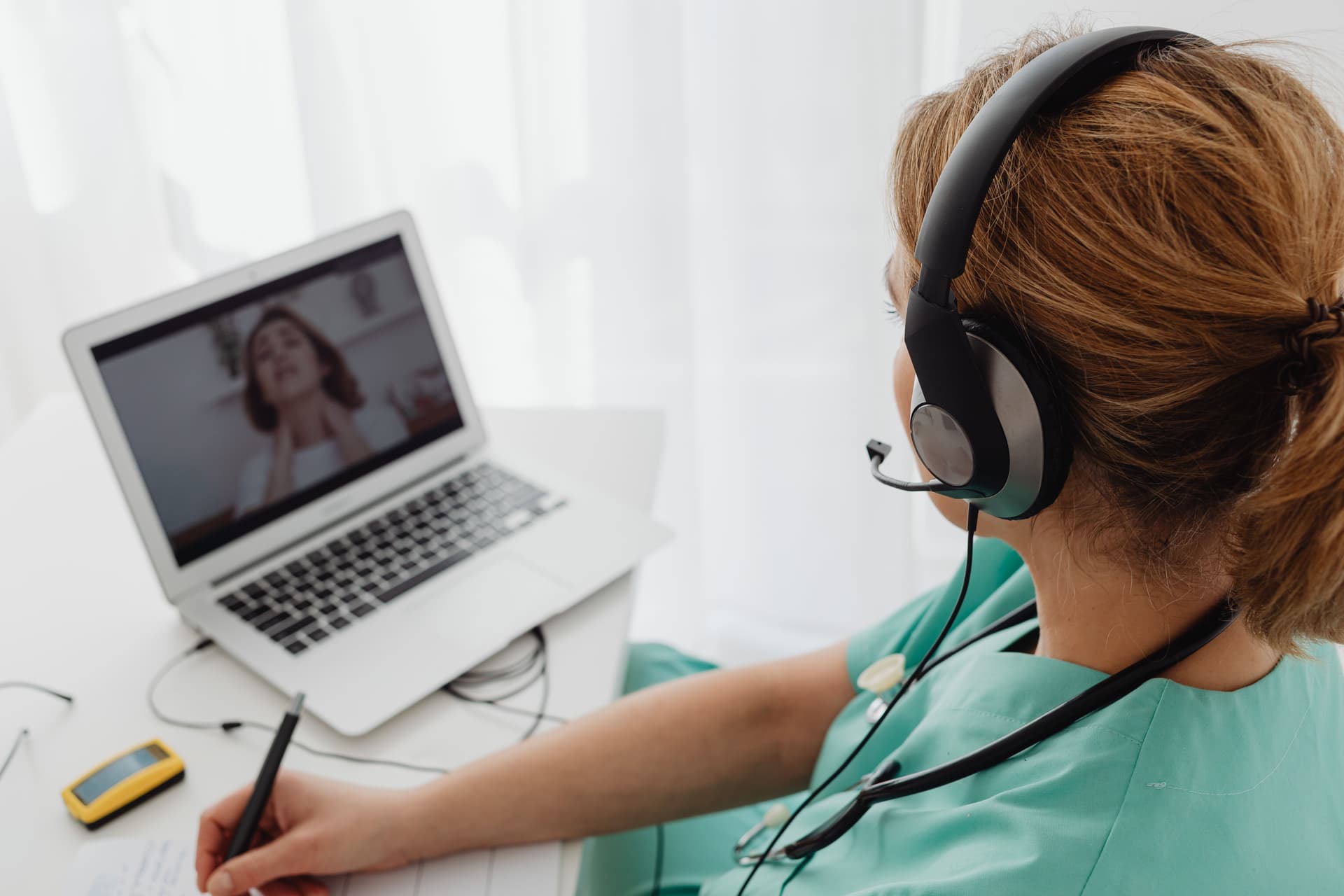
Online therapy: If attending appointments in person is difficult, online therapy may provide another way to access professional support. Check that the provider offers confidential sessions and is appropriately qualified.
Taking the first step
Getting help for compulsive pornography use starts with recognising how the behaviour affects your daily life. Keeping track of situations that trigger the urge, identifying the emotions associated with it and reducing access during vulnerable periods may help you understand your behaviour.
These steps can complement professional treatment but may not be enough on their own. A qualified mental health professional can help assess your concerns and recommend appropriate support.
If pornography use has become difficult to control, speaking with a therapist is a reasonable place to start. You do not have to wait until it seriously affects your life before seeking help.