
Mental health conditions like anxiety and depression do not only affect the mind. Anxiety disorder, in particular, comes with a range of physical symptoms that are often overlooked or misdiagnosed. This article breaks down eight physical symptoms of anxiety disorder that people commonly misunderstand..
Anxiety Symptoms That Affect the Body
The impact of mental health has been consistently proven to go beyond the emotions or the mind. When people think about mental health conditions, they often imagine feelings such as sadness, fear, worry, or emotional overwhelm. What is less talked about is how strongly these conditions can affect the body.
Depression is not the only condition that shows up in the body, anxiety too comes with physical symptoms that many people mistake for illness. The body does not separate the mind from physical wellbeing as neatly as we often assume. When the mind is under pressure, the body begins to respond in ways that can feel very real and sometimes frightening.
This is one of the reasons anxiety can be confusing for many people. Someone may feel persistent headaches, stomach discomfort, chest tightness, or an unusual racing heartbeat and immediately assume they are dealing with a medical condition. In many cases, they begin to treat the physical discomfort without realizing that the source of the problem may be emotional stress.
Anxiety does not always announce itself as worry alone. Sometimes it shows up through the body first. The body reacts to stress by activating what psychologists often refer to as the fight or flight response. This reaction prepares a person to respond quickly to danger, even when the threat is not physical. When this response is triggered repeatedly, it can begin to affect different parts of the body.
These reactions feel physical, which makes them easy to misunderstand. People may visit hospitals, run medical tests, or try different medications without realizing that what they are experiencing could be connected to anxiety. Understanding these physical signals can help people recognize what their body is trying to communicate.
8 Physical Symptoms of Anxiety Disorder
The following are some of the physical symptoms of Anxiety Disorder that people sometimes mistake for illness.
1. Rapid Heartbeat or Heart Palpitations
One of the most common physical experiences of anxiety is a sudden increase in heart rate. A person may feel their heart beating faster or more forcefully than usual, even when they are sitting quietly. This reaction happens because anxiety activates the body’s stress response, which prepares the body to react quickly to perceived danger.
For someone who has never experienced this before, the sensation can be alarming. It may feel similar to symptoms associated with heart problems, which is why many people assume something is physically wrong.
2. Chest Tightness
Anxiety can also cause tightness or discomfort in the chest. When the body is under stress, muscles tend to tense up, including the muscles around the chest area. This tension can create a feeling of pressure that makes breathing feel slightly uncomfortable.
Chest discomfort is often associated with serious health conditions, which means this symptom can easily cause fear or confusion for someone experiencing it for the first time.
3. Headaches and Muscle Tension
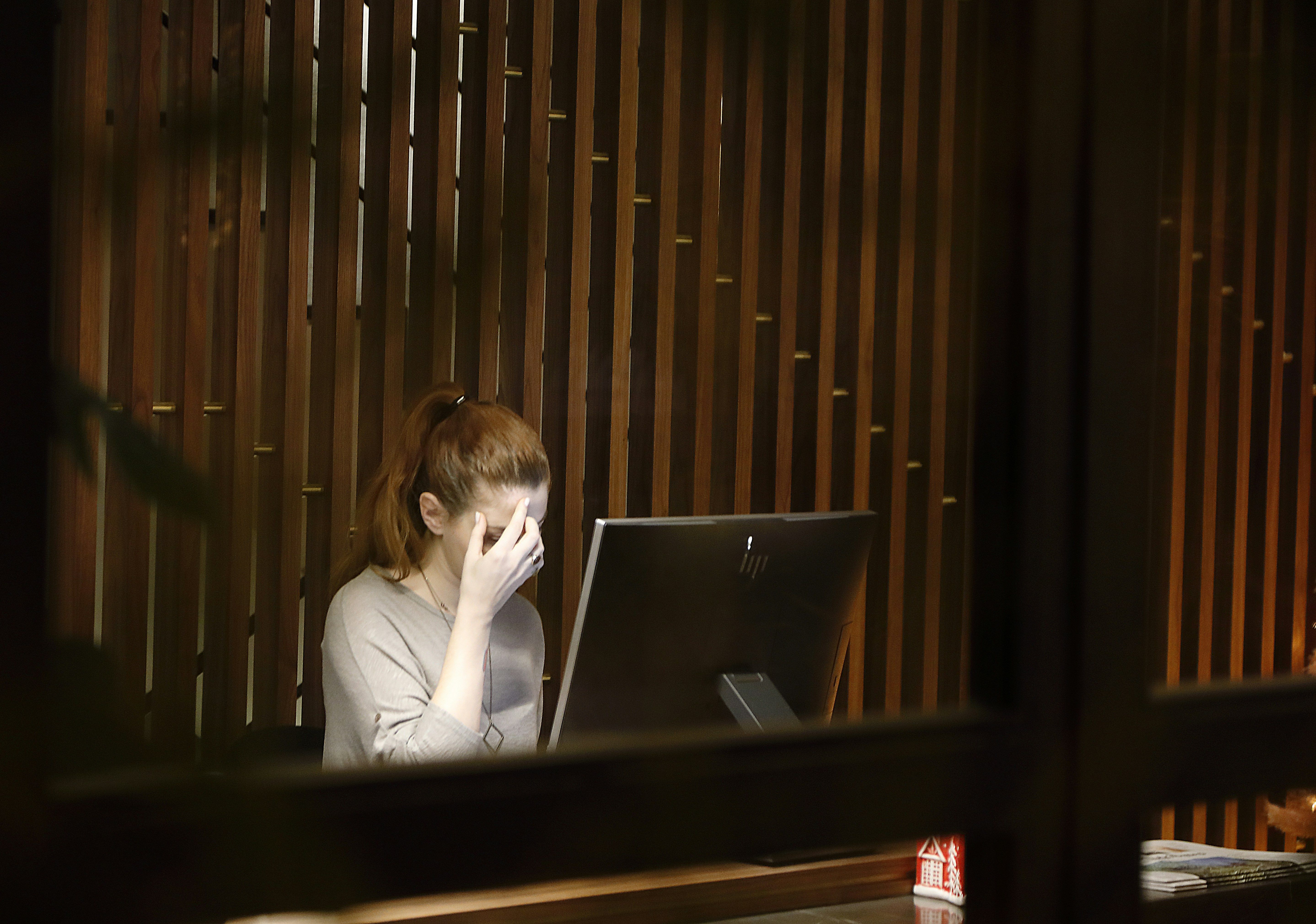
Many people with anxiety experience frequent headaches or tension around the neck and shoulders. Stress can cause the muscles in these areas to remain tight for long periods, which eventually leads to discomfort or pain.
Eventually, this tension can develop into regular headaches that seem to appear without a clear physical cause.
4. Stomach Problems
The digestive system is closely connected to emotional health. When a person feels anxious, the body may respond through stomach discomfort. This can include nausea, stomach cramps, or changes in appetite.
Some people may lose their appetite completely, while others may feel uneasy after eating. These symptoms appear physical, which is why they are often mistaken for digestive issues.
5. Sleep Difficulties
Anxiety often makes it difficult for the body to relax enough to rest properly. A person may struggle to fall asleep because their thoughts keep racing. Others may wake up frequently during the night or feel restless even after several hours of sleep.
Poor sleep can then create a cycle where fatigue increases stress levels, making anxiety even harder to manage.
6. Dizziness or Lightheadedness
Another physical symptom that sometimes surprises people is dizziness. Anxiety can affect breathing patterns and blood flow, which may lead to feelings of lightheadedness or instability.
For someone experiencing this unexpectedly, it may feel like a medical condition rather than a response to stress.
7. Excessive Sweating
Sudden or excessive sweating is one of the physical signs of Anxiety Disorder that people sometimes misunderstand. This can happen even when the weather is not hot or when the person is not physically active.
When anxiety triggers the body’s stress response, the nervous system prepares the body to react quickly. Part of this reaction involves activating the sweat glands. As a result, someone may notice sweaty palms, a damp forehead, or general body sweating during moments of intense worry or nervousness.
Sweating is often associated with fever or physical exertion, so people may assume their body is reacting to illness. In reality, it can simply be the body responding to emotional stress.
8. Fatigue and Constant Tiredness
Many people do not immediately connect tiredness with anxiety, but persistent fatigue can be a common physical effect. Anxiety keeps the mind and body in a constant state of alertness. Even when a person appears calm on the outside, their body may still be operating as if it needs to stay prepared for danger.
Gradually, this continuous state of tension can drain energy. A person may wake up feeling tired, struggle to concentrate during the day, or feel mentally and physically exhausted even after rest.
Conclusion
Physical symptoms caused by anxiety are real and should never be dismissed. They are not imagined, and they should never be minimized. But understanding the connection between the mind and the body can make a significant difference in how a person makes sense of what they are going through.
When these symptoms show up repeatedly, it is worth pausing to consider whether emotional stress or anxiety might be at the root of it. The body often carries what the mind has not yet processed, and paying attention to both can open the door to real answers.
If any of these symptoms feel familiar, speaking with a mental health professional is a meaningful first step. There is no need to figure it out alone. The right support can help bring clarity, and in many cases, relief.
If you found this article helpful, you can also read more on the common types of anxiety disorder and practical tips to help manage anxiety in daily life.
Disclaimer:
This article is for informational purposes only and is not a substitute for professional medical advice. If you are experiencing any of the symptoms described, please speak with a qualified healthcare or mental health professional.