Children’s Mental Health Week 2026
Children’s mental health is shaped long before they learn how to name their feelings, and it deserves as much attention as the mental health of adults. Children feel deeply, even when they cannot always explain what is going on inside them.
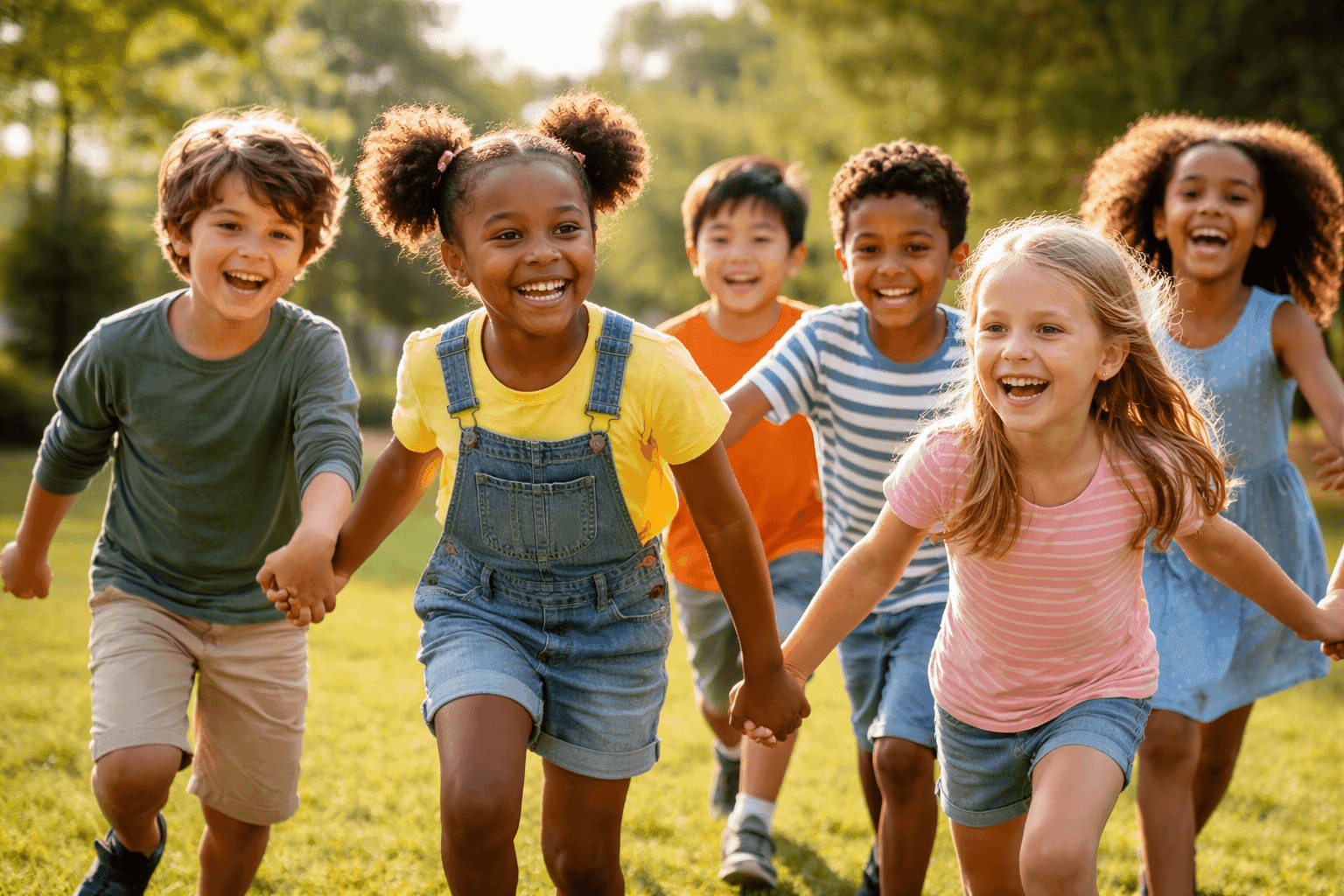
Children’s Mental Health Week 2026, which runs from February 9th to 15th, shines a spotlight on this reality. This year’s theme, “This is My Place,” explores the vital role of belonging in our mental health and wellbeing. It focuses on the importance of being accepted in all areas of a child’s life, including at home, at school, with friends, and in the wider community. It reminds us that children need spaces where they feel valued, understood, and confident enough to say, “I belong”
Abraham Maslow was a psychologist who proposed that people are motivated by unmet needs, and some needs must be reasonably satisfied before others can truly matter. According to Maslow, human needs are arranged in a hierarchy, with physiological needs at the foundation, followed by safety needs, love and belonging needs, esteem needs, and finally self-actualization, which sits at the top. These needs are not selective, and no human being is exempt from demonstrating them in one way or another. They show up in our behaviour, our emotions, our relationships, and even in the things we struggle to name out loud.
A sense of belonging is a fundamental human need and it is about connection, love, acceptance, friendship and the deep human desire to feel that we belong somewhere and to someone. For a child, belonging looks like feeling loved at home, being accepted by peers, knowing they matter to a teacher, and having a place in society where they are seen, heard, and valued. It is in these everyday spaces that a child learns whether the world is safe enough to open up to, and whether they are worthy of care.
This brings us face to face with the importance of belonging in a child’s overall mental wellbeing. When children know they belong, their mental health is strengthened and their emotional world becomes less overwhelming. When they do not, the effects often show up quietly in withdrawal, anxiety, aggression, or a loss of interest in learning and relationships.
In light of this year’s theme, it becomes clear that every stakeholder involved in a child’s growth has a role to play. Creating inclusive and nurturing spaces where every child feels they belong cannot be left to chance or good intentions alone. It requires conscious effort and shared responsibility.
So the question then becomes, who are the people shaping a child’s sense of belonging, and how can each of them intentionally help children feel secure and valued in their world?
How Parents Can Support Children’s Mental Health and Belonging
Parents are the first and most influential environment for a child. From the very beginning, children watch, listen, and imitate what they see at home. The home is the first space where they learn about love, care, and connection, and it plays a major role in how they develop emotionally, socially, and academically.
This year’s theme for Children’s Mental Health Week, “This Is My Place,” points at how parents are at the center of helping children feel that they truly belong. Therefore, there are many ways parents can do this through small daily actions and consistent habits.
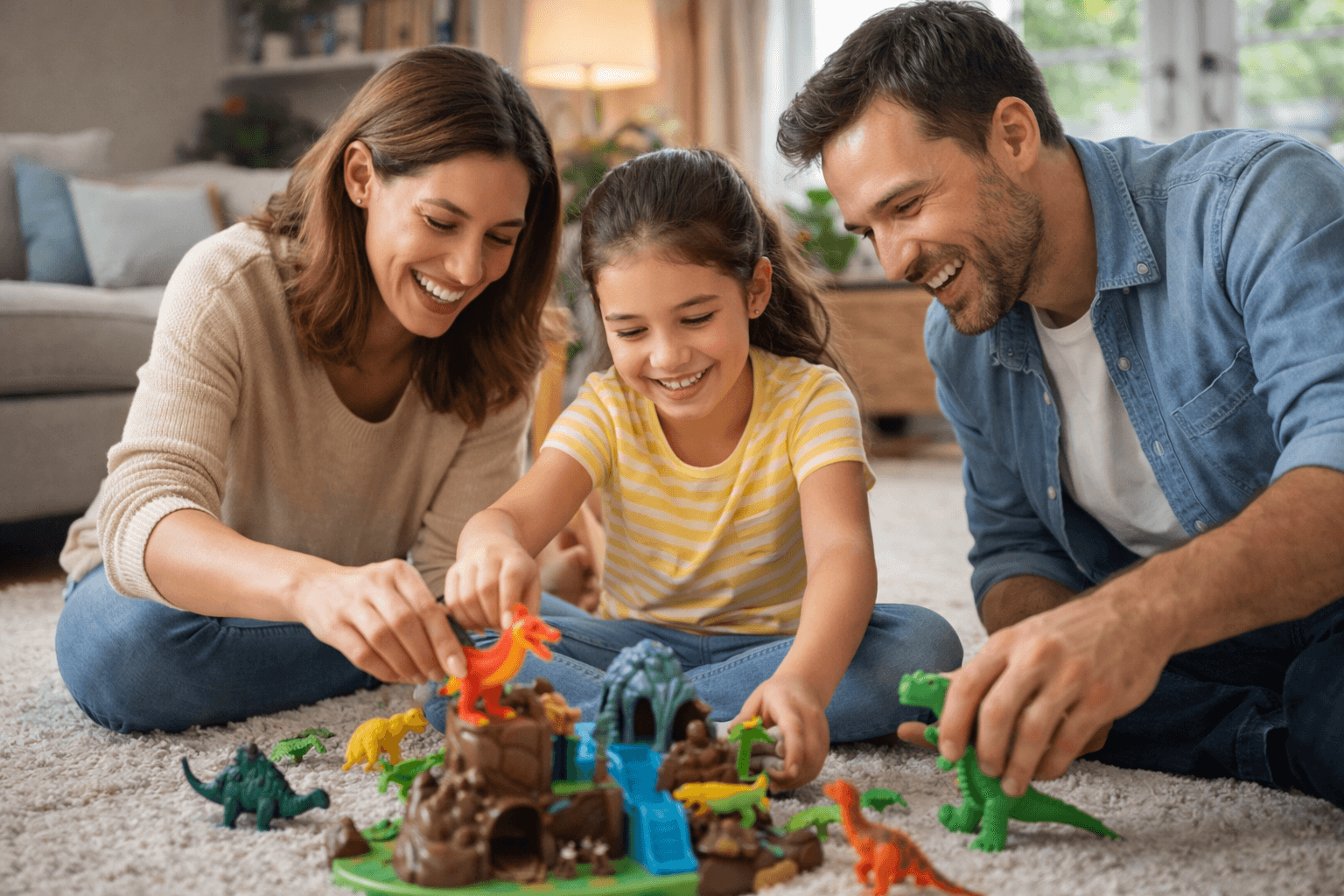
- One of the simplest and most powerful ways to communicate love is through expressing it openly to children. By affirming their children, telling them they are loved and valued, and celebrating their strengths, parents help children internalize a sense of worth.
- Parental presence matters greatly. Children notice when their parents are truly available, and this presence communicates to them that they matter.
- Listening carefully and giving attention to their thoughts and feelings creates a safe space where children feel understood and accepted.
- Celebrating efforts, rather than only focusing on weaknesses or mistakes, further strengthens their confidence and sense of belonging.
Creating a nurturing home environment goes beyond meeting physical needs like food, clothing, and shelter. Children also need to feel safe enough to express themselves without fear of judgment. When they know their thoughts, emotions, and ideas are valued, it promotes their sense of security and boosts self-esteem.
How to Help Students Feel Included
Parents are often the first point of contact in a child’s growth and development. School, however, is where many children spend most of their day, and the classroom can either reinforce a child’s sense of belonging or quietly diminish it.
Teachers and school staff play a central role in creating an environment where every child feels accepted and supported. Unlike the home, the school brings children together with peers from diverse backgrounds, and with adults who also bring different experiences and perspectives. This makes inclusivity and fairness even more important.
Children are observers and they notice subtle differences in how they are treated, so it is critical that teachers, administrators, and caregivers treat all students equitably, regardless of age, ability, ethnicity, or social status.
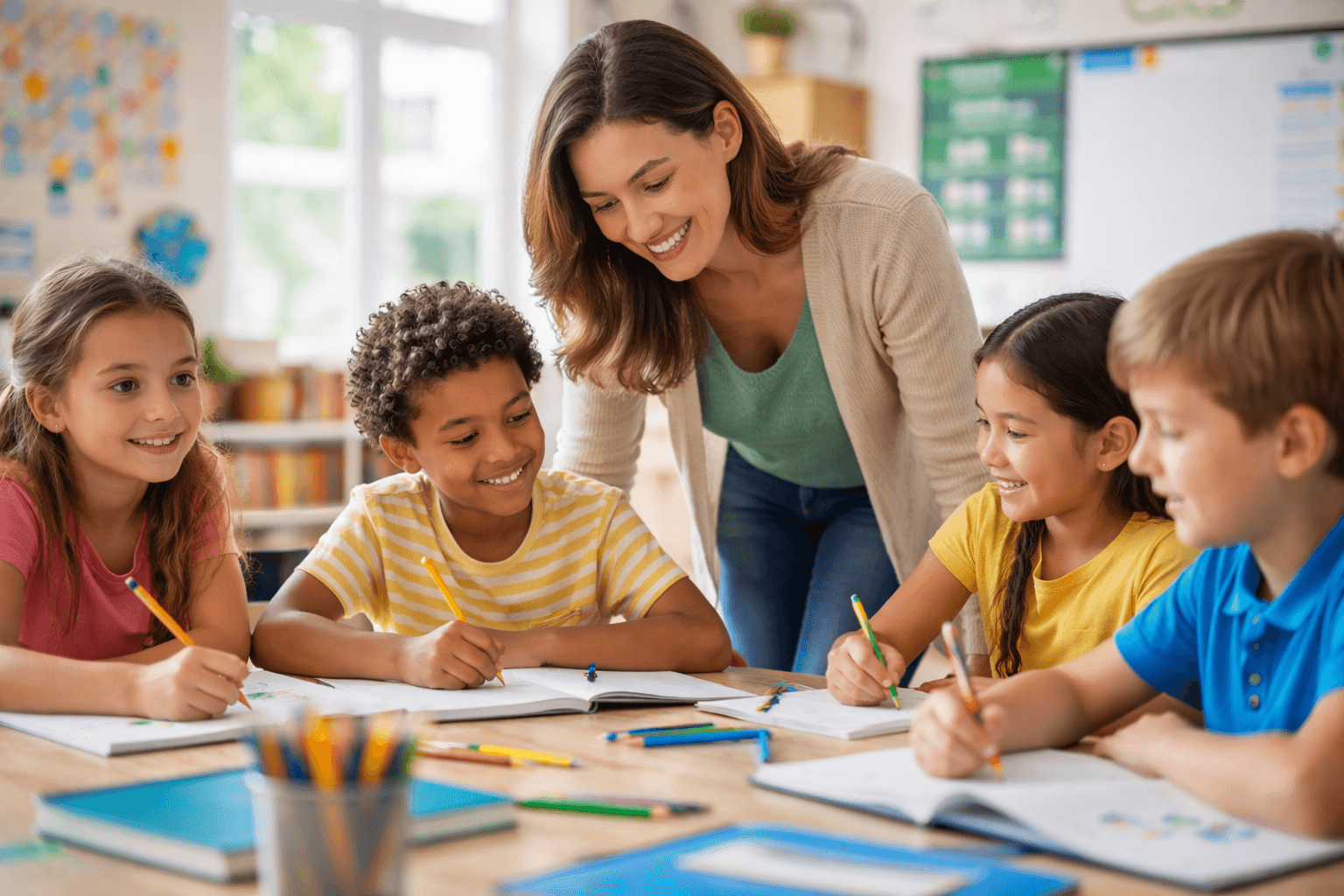
Schools can encourage belonging in many ways:
- Acknowledging each child’s unique strengths and providing opportunities for them to explore their skills through classroom activities or social initiatives allows them to feel recognized and valued.
- Personalized mentorship and guidance help children understand that their individuality is appreciated, and they are not judged solely on performance or conformity.
- Counseling units or safe spaces within schools allow children to express themselves freely and share their feelings with trained professionals, often with the support of parents.
When schools prioritize belonging and emotional support, the impact on a child’s mental health is evident. Children who feel accepted at school experience lower levels of stress and anxiety, build resilience, and are better able to navigate social challenges. Also, they carry this sense of security and acceptance into all areas of their life.
Ways Society Can Create Safe Spaces for Children
A child’s sense of belonging does not stop at home or school. It grows wherever they feel seen, heard, and valued, and that can happen in the neighbourhood, at a local club, in a park, or even during a conversation with a caring adult. Every adult in a child’s life, whether a neighbour, mentor, religious leader, coach, or family friend, can play a role in helping children feel they belong.
Small gestures can have a powerful impact. Individuals in the community can:
- Smile and greet children warmly
- Take time to ask how they are feeling
- Invite them to join activities or games
- Notice and celebrate their talents and efforts
- Listen to them without judgment
- Encourage them when they try something new
- Include them in group conversations or social moments
These everyday actions help children feel safe, supported, and valued. When practiced consistently by families, neighbours, mentors, and friends, these gestures create a community where every child feels valued and included.
Conclusion
This Children’s Mental Health Week 2026 reminds us that every child deserves to feel valued and supported, and it is our ongoing responsibility to ensure they have a place where they truly belong.
It is also important to recognize that some children may benefit from professional guidance. Trained children and teen mental health experts can provide therapy and counseling tailored to their developmental needs.