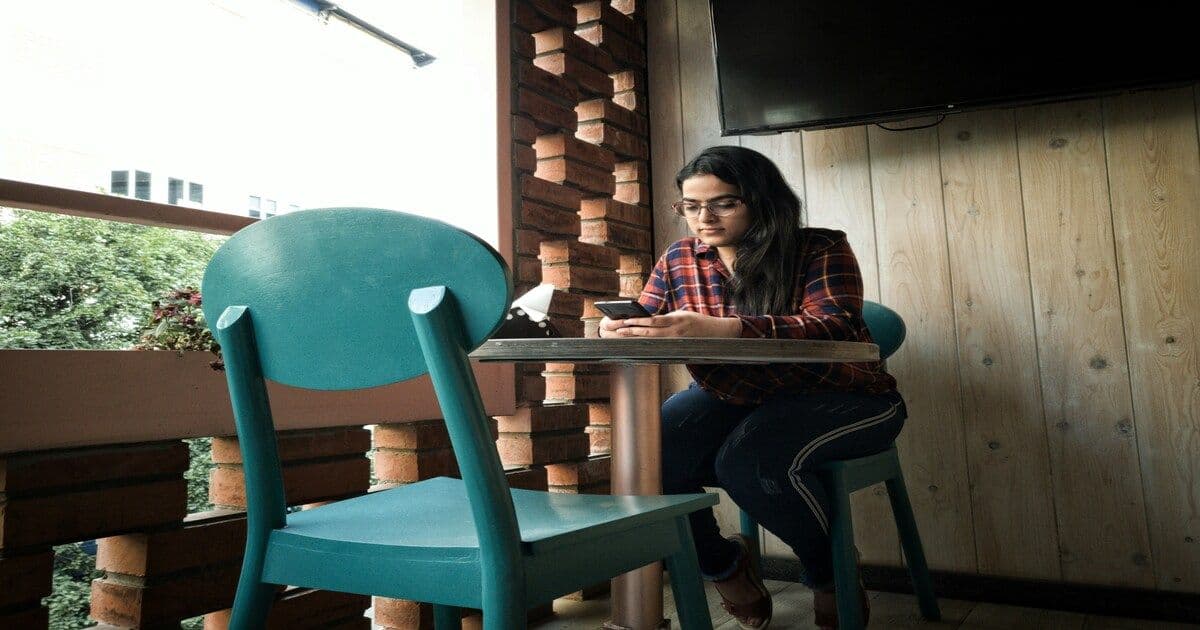
Sometimes the weight we carry feels invisible to the world. Pain, regret, and uncertainty can linger quietly, shaping our days and the way we connect with others. This is the story of Elena, a woman learning to face long-held emotions and how an unexpected friendship gave her the courage to seek help and find a sense of relief.
Elena had learned to dread February and this year was no different. The streets bloomed with red and white, windows displayed perfect bouquets, and the air smelled of chocolate and perfume. Everywhere she looked, love was being celebrated. For most people, it was a day of warmth. For her, it was a reminder of absence.
Years ago, she had someone who made this day sacred. He called her hours in advance, his voice was full of laughter, sharing silly plans and small surprises he had picked out for her. That was the last Valentine’s Day they would share.
On his way to see her, an accident ended his life. The memory of that day had etched itself deep in her chest. She carried guilt with her, silent and relentless. She had wondered, endlessly, if she could have done something to stop it. The grief had become a shadow she wore like a coat.
This year, she did not want to stay home. She needed a distraction, a place to let the world move without pulling her entirely along. She found herself walking through the city streets, taking in the red paper hearts fluttering on shop doors, the couples holding hands, and the clumsy smiles of strangers trying to impress. Nothing was comforting, everything reminded her of what she had lost.
She entered a small café tucked away from the main street. The scent of coffee and cinnamon soothed her as she ordered a drink and chose a table by the window, hoping that sitting somewhere unfamiliar might break the usual rhythm of her grief.
She watched people pass. She watched couples exchange laughter and gestures that once felt natural to her. Her chest ached, and she did not resist the tears that blurred her vision.
Then she saw him. Marcus, a colleague she had known for years but barely spoken to. For reasons she could not explain, she invited him to sit with her. He accepted without hesitation, and the two of them began to talk.
At first, the conversation was small, tentative, like testing a fragile bridge. She did not speak of him. He did not ask. They shared ordinary things. The light in the café shifted as the hours passed, casting warmth over the table and over her.
For the first time that day, she felt a small, unfamiliar relief. It was not romantic. It was not the kind of joy the world demanded on Valentine’s Day. It was simply acknowledgment that she had a company she enjoyed.
They lingered in the café long after the street lights flickered on. Conversation meandered from work to books to movies, but then Marcus hesitated, glanced at her, and said softly, “I know this day is hard for you. I have been there too.”
Elena stiffened. “Marcus, please,” she whispered, lowering her voice.
He nodded and leaned back, quiet for a moment. “My brother knew I was struggling even before I could say it. He gave me a gift once, a card for a therapy session. He said I did not have to go alone and I would not have to figure it all out by myself. I did not know what to do at first, but it helped. It still does.”
She was surprised to hear him talk unabashedly about his mental health journey. She thought it was a discussion that shouldn't be had in the open.
Elena’s chest tightened. She had spent years shoving down the thought of professional help, fearing judgment, fearing the confrontation with her own guilt. Listening to Marcus, she felt a small, fragile shift. His words were quiet, almost casual, but beneath them was a kind of invitation, patient and unassuming.
“I…” she began, then stopped, shaking her head.
Marcus smiled gently, careful not to push. “You do not have to do anything right now. When you are ready, I would like to help. Not to fix it. Just be there, like my brother was for me.”
For the first time that day, Elena let herself breathe. She imagined a room where grief did not feel like a punishment and where asking for help was not shameful.
She nodded when Marcus said he would make it easier by gifting her, and she can start whenever she is ready.
Maybe tomorrow, or the next day, she would.
Maybe she would let herself accept the kindness waiting, quiet and patient, whenever she was ready.
That night, as she walked home, she noticed the city felt a little softer and less suffocating. The ache remained, but it was accompanied by something new: hope that grief could coexist with gentle support and that she did not have to carry it entirely alone.