Mental Health Isn’t Always Visible
Mental health often goes unnoticed beneath nice dresses and wide smiles. Yet, these conditions are silently eroding aspects of life that seem outwardly healthy.
It’s easier to tell a friend you have a headache when they ask about your forlorn look than to admit you experience panic attacks whenever you are triggered by a past experience.
Nowadays, mental health awareness is everywhere, just like how our mental health articles frequently appear. But while research and statistics help us understand these struggles, personal stories bring them to life.
Beyond reading about mental health, hearing real experiences can be just as powerful.
Why Sharing Your Story Matters
Sharing real-life stories and experiences plays a huge role in promoting mental well-being.
1. It Empowers Others
When people hear others’ stories, they realize they are not alone, which can be deeply comforting. The relief is as soothing as a balm that nurses a wound. It might not provide permanent healing, but it's a step toward recovery.
2. It Breaks Stigma
People avoid talking about their condition due to the stigma surrounding mental health, fearing embarrassment, judgment, or being treated differently. Open conversations challenge the stigma surrounding mental health, making it easier for others to seek help.
3. It Raises Awareness
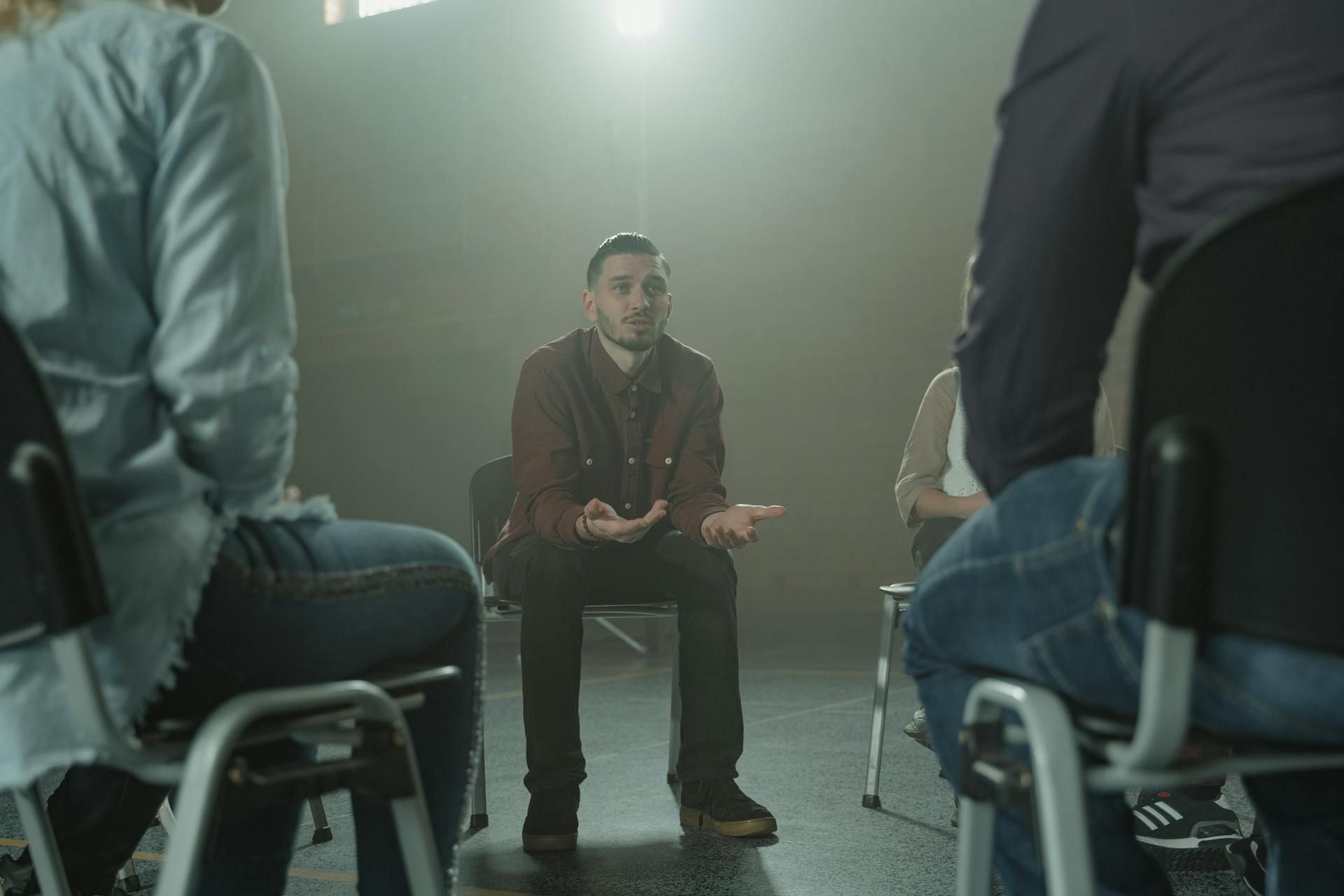
Talking about mental health educates others and people realise these conditions are real, and not falsified to prove a point. It also equips people with the ability to recognize signs and symptoms if they experience similar struggles.
4. It Builds Self-awareness
Both the readers and the sharer benefit actively from this process. A sharer becomes more aware of their emotions, triggers, and thought patterns, gaining deeper insight into their mental health and personal growth.
5. It Builds Community
Sharing experiences creates supportive communities for those facing similar struggles.
Addressing Real Stories of Mental Health Battles
So, we created an anonymous form to create a safe space for people to share their struggles. Note that we obtained people’s consent before sharing their stories in this article.
To retain originality, these stories are quoted to reflect that it was not tampered with or edited in any way.
1. Thoughts on Therapy
When asked to explain how they really feel imagining they were sitting before a therapist:
“I feel really down. My emotions are all over the place. I don't understand who I am anymore. This minute, I am proud of myself, and the next minute, it seems like I have not done anything for myself. In fact, I feel worthless. Do you think there's an end to feelings like this?”
Emotions can be unstable, sometimes fluctuating without reason. But while feelings make us human, we also have the ability to manage and navigate them. Even in difficult moments, there’s a way forward.
There's an end to constantly feeling lost and overwhelmed. Healing may not be immediate, but with the right support, self-awareness, and coping strategies, it's possible to regain control and find balance.
“I don't believe in seeing a therapist. Isn't it just talking like I do with friends and family.”
While they can be a great support system, they cannot replace professional help. Your friends and family are not professionally trained to handle mental health conditions that require diagnosis, treatment, or medical prescriptions.

2. The Weight of Pretending
When asked to share a time when they pretend their mental health was fine, but it really wasn't.
“It's been years since I had a healthy mental health. I never imagined depression would ever happen to me. I am known to be a strong and resilient person. How do I explain to people that I am depressed?”
“Many times, I had a lot going through my mind but I had to be strong outside because I didn't want my family to worry. I almost ended it at one time because it felt like there was no way I'd overcome that period. I'm not completely out of my depressed state, but I'm managing it better"
Many people feel pressured to appear okay, even when they’re struggling. The fear of judgment or burdening others forces them to suffer in silence. But acknowledging that we’re not okay is often the first step toward healing.
Rather than adopting unhealthy coping mechanisms, seek professional help. Don't manage your conditions alone.
3. Social Media Impact on Mental Health
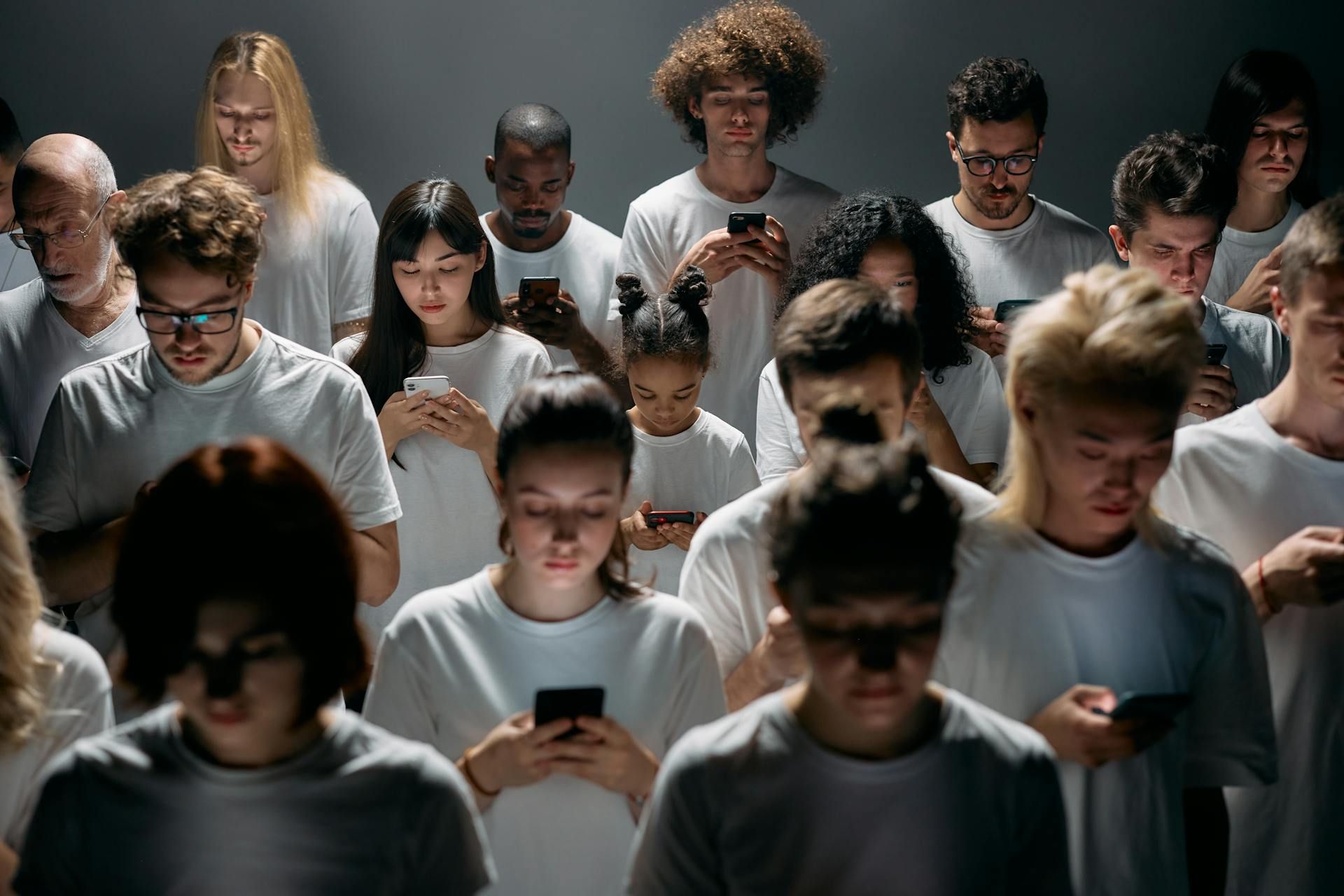
The pressure to appear strong isn't limited to personal interactions—it extends to social media as well.
“More often than not, social media makes me feel so inadequate and worthless yet it is so difficult not to scroll. When I open my apps, I am always welcomed with people's success stories and expensive lifestyles. It's even worse when I see people I am older than achieving all things I can only imagine.”
“I am afraid that others will "find out" I am not as capable as I appear. Everyone seems to have it all together on social media. I think I have imposter syndrome. It is so difficult to believe in my ability no matter the achievement. Sometimes, it feels like someone will catch up and see me for what I truly am. “
Social media has both positive and negative effects, especially for those who struggle to manage their consumption. Because it allows people to present curated versions of their lives, it can fuel comparison and insecurities.
But rather than letting social media dictate our self-worth, we can take control by curating a healthier feed, setting screen-time limits, and reminding ourselves that online highlights are not the full story.
Your Healing Starts with a Step
These stories offer a glimpse into the daily struggles many people face. Whether you relate to them or not, remember that you are seen, and you are not alone on this journey.
The journey to healing takes time, but taking the first step whether by seeking support, talking to someone, or practicing self-care can make all the difference.
Need Help? Let’s make it easy. Professional help is available. Don’t hesitate to reach out.
Read more articles on anxiety and mental health to keep your mind and emotions in check.