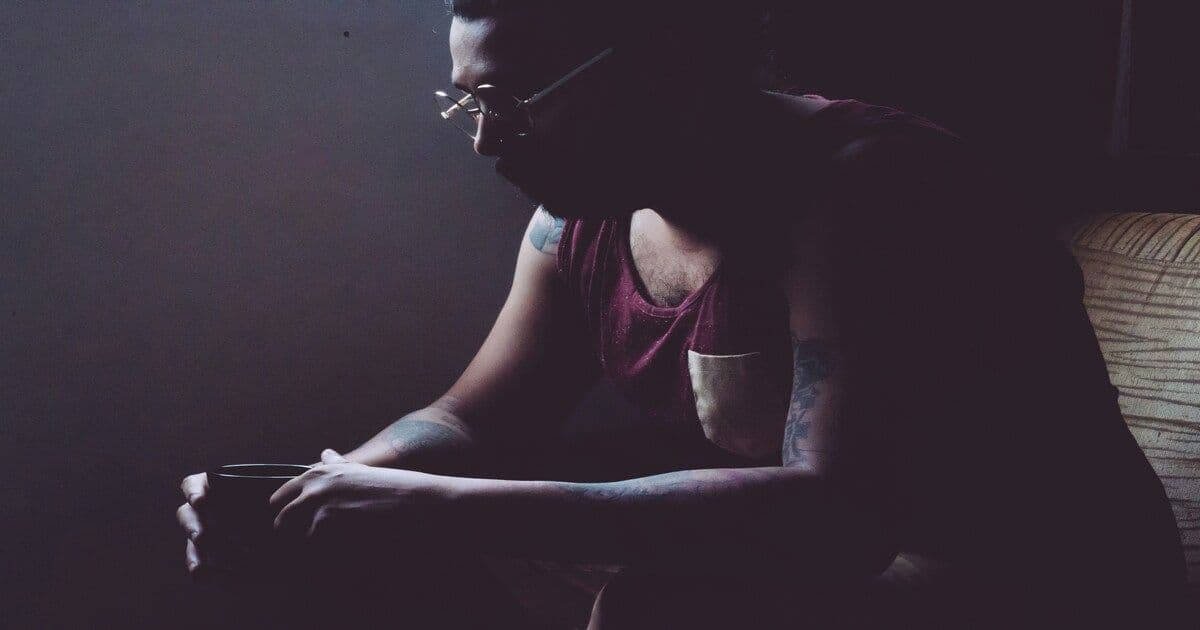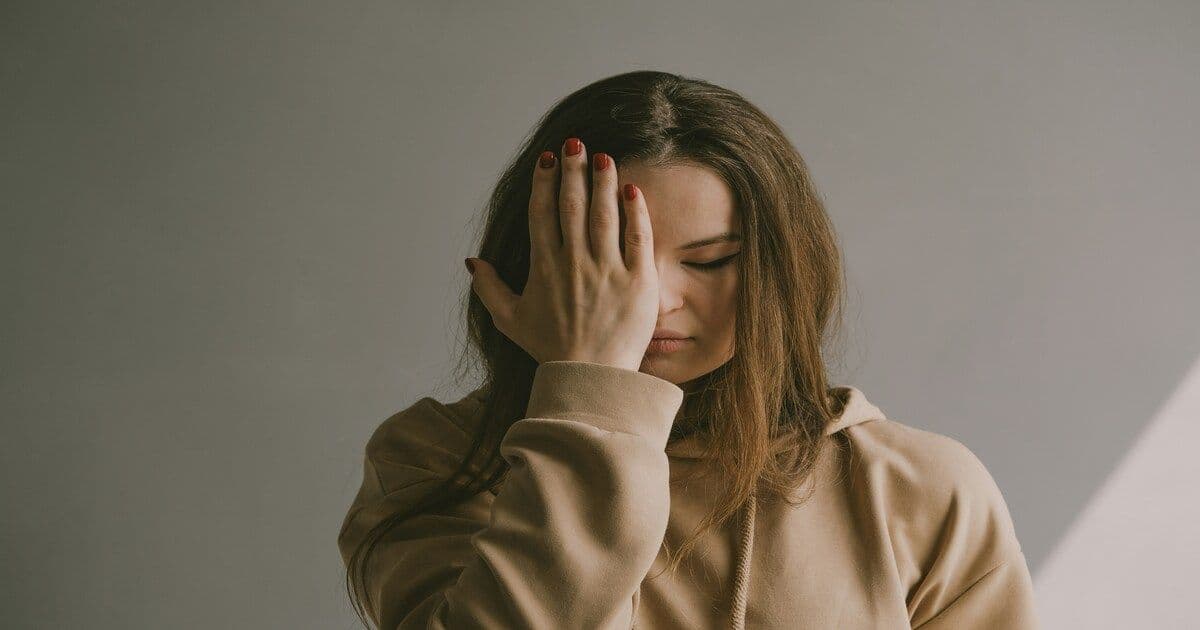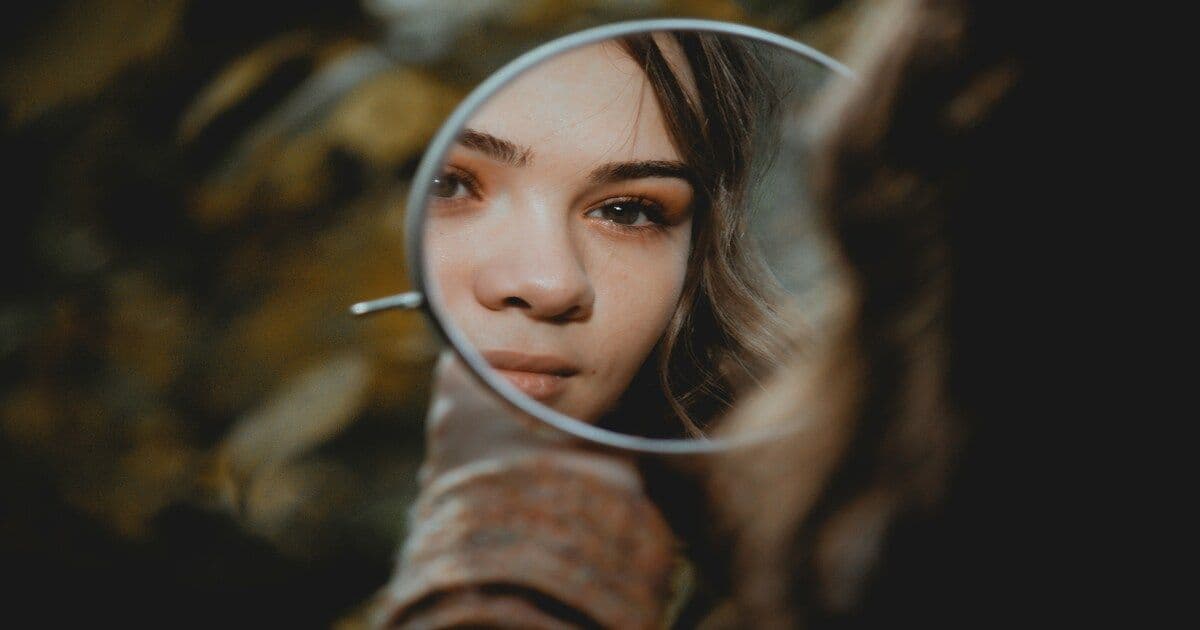
I can't remember exactly when I started doubting myself. I only know that, for a long time, confidence felt like something other people had. I questioned my decisions and hesitated before trying anything that carried the slightest chance of failure.
Looking back, I don't think I was born doubting myself. Somewhere along the way, I simply became afraid of getting things wrong.
Growing up, it always felt like mistakes matter more than the effort I put in. Whether it was a poor grade, a forgotten chore, or an imperfect attempt at something new, there was usually a reminder that I could have done better. No one intended to make me doubt myself. They simply wanted me to improve. What I didn't realize was that I slowly began believing that making mistakes meant I wasn't good enough.
At first, I only questioned myself after I got something wrong. Then I started questioning myself before I even tried. Eventually, I didn't need anyone else to point out my flaws. I had already convinced myself they were there.

Whenever I was given a new responsibility, my first thought wasn't, I can do this. It was, What if I fail? If someone corrected me, I assumed I had disappointed them. If someone looked serious while talking to me, I convinced myself I was the reason.
My mind became filled with familiar thoughts.
"You're not ready."
"Someone else could do this better."
"You'll probably mess it up."
"Don't get your hopes up."
I didn't realize how much those thoughts controlled me until I grew older. They followed me through school, my friendships, and eventually adulthood.
The strange thing about self-doubt is that it doesn't always look like self-doubt. It can sound like humility or disguise itself as realism or caution. Little by little, it steals your confidence.
I wish I could say I recognized it immediately, but I didn't. I lived with those thoughts for years because they felt normal to me.
Everything began to change the day I stumbled across an article about self-doubt. As I read through it, I felt as though someone had described my life without ever meeting me. For the first time, I realized I wasn't simply being cautious. I had developed a habit of questioning my own abilities before life ever had the chance to.
That realization didn't solve everything overnight, but for the first time, I became aware of what was happening.
I started reading more books and articles about self-doubt and confidence. I paid attention to the stories I kept telling myself. Whenever I caught myself thinking, "I'm going to fail," I paused and asked, "What evidence do I actually have?"

Sometimes I wrote those thoughts in a journal. Other times, I challenged them by remembering moments that proved I was more capable than I believed. I also learned to accept encouragement instead of dismissing it. It felt strange at first because I had spent years trusting my doubts more than other people's confidence in me.
The battle isn't over.
There are still days when self-doubt shows up before every important decision. It still whispers that I'm not capable. Some days I listen longer than I should.
But I'm learning.
I'm learning that uncertainty doesn't mean I'm incapable. I'm learning that mistakes don't define my worth. I'm learning to trust myself a little more than I did yesterday and to speak to myself with the same patience I would offer someone I love.
Most importantly, I'm learning that healing doesn't always mean self-doubt disappears. It simply means it no longer gets the final say.
For now, that is enough.
Note:
This story is fictional but inspired by experiences commonly associated with self-doubt. It is intended to raise awareness and encourage reflection. If you are struggling with persistent self-doubt or emotional distress, consider speaking with a qualified mental health professional.