International Survivors of Suicide Loss Day
International Survivors of Suicide Loss Day, also called Survivor Day, is a day dedicated to people who have lost someone to suicide. It is observed every year on the Saturday before American Thanksgiving, which falls on 21 November this year. The day is meant to acknowledge survivors and to remind the rest of us that the loss reaches far beyond the person who died.
Survivor Day dates back to 1999, when United States Senator Harry Reid, whose own father died by suicide, sponsored a resolution in Congress to recognise survivors of suicide loss. Although the day began in America, suicide happens all over the world, and survivors everywhere carry the same loss. Communities in many countries now observe the day with gatherings and remembrance events.
Who Are Survivors of Suicide Loss?
Earlier this year, more than 95,000 people were recorded to have died by suicide. More than eight months have passed since then, and the figure has continued to rise. Behind each of those deaths are family members and friends left to live with the loss, including parents, children, siblings, partners and other loved ones.
Why Is International Survivors of Suicide Loss Day Important?
News of a suicide spreads quickly and often produce different narratives, most of which focus on the person who died. Far less attention goes to the people who must deal with the loss afterwards. It is easy to forget that survivors are grieving just as they would after a natural death, except that suicide loss goes beyond grief alone.
Two things happen at the same time. There is the sorrow of losing someone, alongside the confusion and judgment that come with how that person died. Dealing with all these feelings can make the grieving process even more difficult.
Awareness days like this one create an opportunity to remember those who died by suicide as individuals with names, stories and families. They also remind survivors that they are not alone and that support is available. For someone grieving, knowing that a wider community understands can make the loss feel a little less isolating.
How Losing Someone to Suicide Affects Mental Health
Suicide is a very sensitive subject, and tagging along with it is the stigma and ridicule that a survivor can face. Some are judged by people who do not know what to say, while others are met with gossip or with silence that makes the topic feel too uncomfortable to share.
Self-blame and guilt is another common experience. Survivors often replay the days and weeks before the death, wondering whether it could have been avoided if they had been more attentive or had called that night. Looking back, they may keep questioning what they could have done differently, even though they did not have the same understanding of the situation at the time.
Suicide also leaves unanswered questions. Many survivors are left with unanswered questions about the death, and not having clear answers can make the grieving process more difficult.
These pressures can show up as prolonged sadness, anxiety, trouble sleeping, withdrawal from loved ones and difficulty concentrating at work or school. These are natural responses to a profound loss and not signs of weakness.
What Support Do Survivors of Suicide Loss Need?
People grieving a suicide loss need understanding from those around them, as well as access to support that can help them deal with the loss. This can come in different forms.
Open conversations and support groups
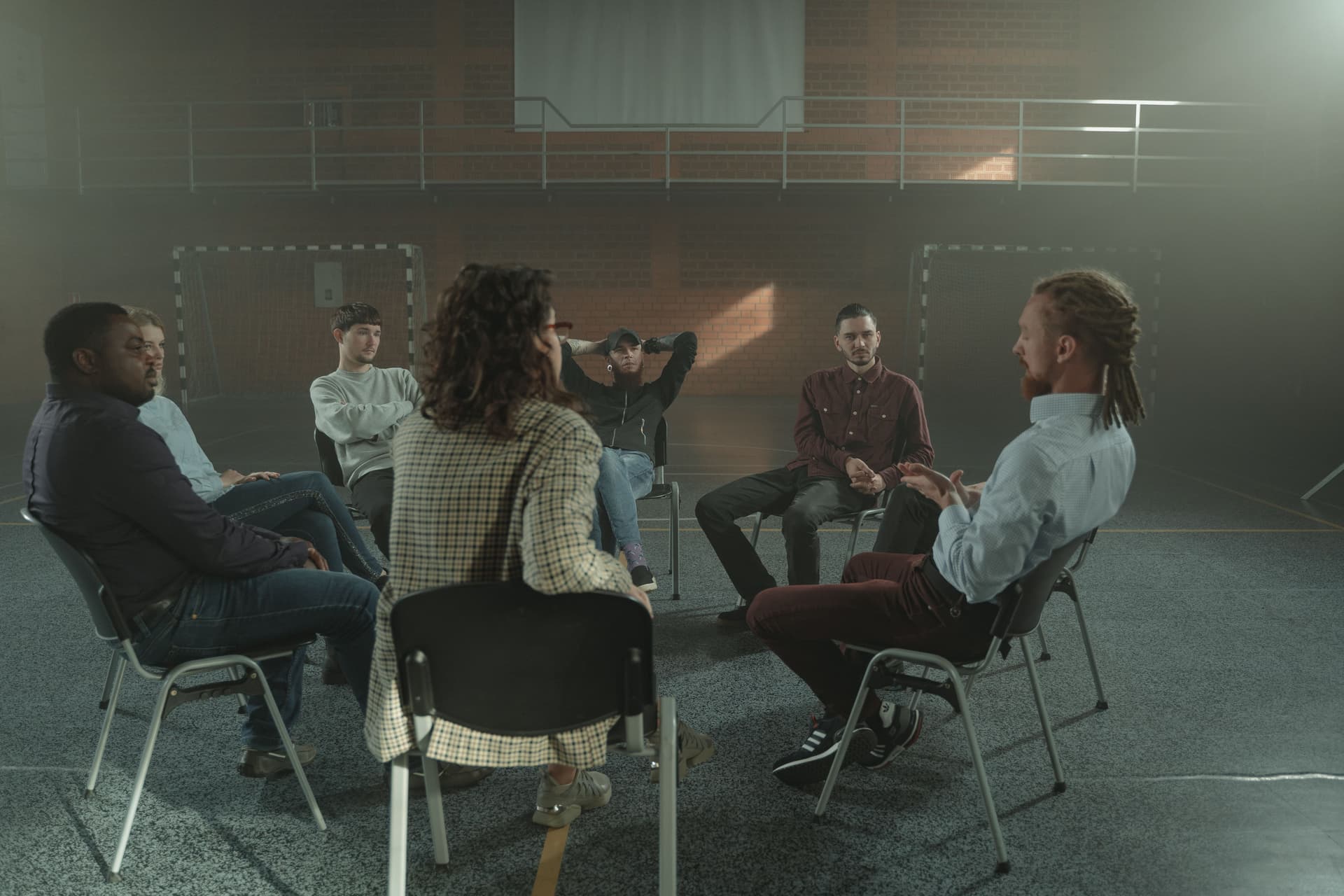
Many survivors do not want to be handled with excessive caution. They want people to speak the name of the person they lost, ask how they are really doing and listen without rushing to fix anything. Support groups add to this by bringing together people who understand the experience firsthand, so survivors can speak honestly about anger, guilt and exhaustion without fear of judgment.
Continued check-ins
Support often fades after the funeral, yet grief continues long after. Survivors benefit from people who keep reaching out in the weeks and months that follow, and especially around birthdays, anniversaries and holidays. A short message or a call m shows that they have not been forgotten.
An end to stigma
Survivors need understanding and compassion from the people around them. Avoid using words that make suicide sound like a crime or give room for blame. Speak respectfully about the person who died and discourage gossip about their death. This can help survivors feel more comfortable talking about their loss without fear of judgment.
Read more: Not sure what to say to someone grieving? Read our guide on what not to say to a grieving person and what actually helps.
Grief counselling
A trained counsellor offers a safe space to work through the loss at one’s own pace. They do not have to wait until they are struggling to manage daily life before seeking professional help.
Conclusion
If you have lost someone to suicide, your grief is valid and your healing matters. There is no set timeline for it, and you do not have to go through it by yourself. Reaching out to a counsellor, a support group or someone you trust is a meaningful way of caring for yourself.
If you want to support a survivor, start by showing up, checking in regularly and listening without judgment. This Survivor Day, let us remember those we have lost and care for those they left behind.