
Men’s Mental Health Month
June marks Men’s Mental Health Month, observed in countries such as the United States, Canada, the United Kingdom, Australia, Ireland, and South Africa. It is a time to shed light on the often-overlooked emotional and psychological burdens many men carry in silence.
While men are often expected to be the "fixers," the "providers," the ones who just keep going, mental and emotional fatigue can weigh them down just as heavily as anyone else.
From pressure at work to personal grief, financial responsibilities to societal expectations, men are navigating battles most people never see and many are doing so alone.
So how can you tell if a man is struggling even when he says he’s fine?
7 Signs He’s Struggling But Won’t Say It
Here are 7 signs he might be emotionally drained, but doesn’t know how to talk about it:
1. He’s Always Tired, Even After Rest
Fatigue that sleep doesn’t fix is more than physical, it’s mental and emotional exhaustion. When a man is constantly tired, withdrawn, or just going through the same routine without energy, it could mean he’s silently burning out.
2. He’s Quick to Anger, Then Drowns in Guilt
Outbursts aren’t always about what just happened, they’re often triggered by months (or years) of suppressed emotions. If he reacts strongly, then withdraws or apologizes repeatedly, he might be overwhelmed.
3. He’s Emotionally Distant and Withdrawn
He’s physically present but mentally absent. Conversations feel surface-level, responses are short, and his mind is elsewhere, often on worries he won’t voice. Also, if he suddenly becomes unavailable, always occupied, or uninterested in things he used to love? That’s not just busyness, it could be emotional burnout.

4. He Struggles to Ask for Help
Whether it’s pride, upbringing, or fear of appearing weak, many men have difficulty expressing that they’re not okay, even to their closest friends.
5. He’s Engaging in Risky Behaviors
Overspending, reckless driving, drinking more than usual – these could be coping mechanisms for stress or depression.
6. He Feels Like He’s Failing at Everything
No matter how hard he tries, he feels like he’s falling short whether at work, in relationships, as a father, a partner, or a friend. This self-imposed pressure to ‘do it all’ silently chips away at him.
7. He’s Willing to Help Everyone But Himself
He shows up for others, fixes what’s broken, pays the bills, answers the calls but when asked how he’s doing, he shrugs it off. If he finally agrees to therapy or opens up, it’s likely long overdue.
Why This Silence Exists
- Societal Pressure to Always Be “Strong”
From a young age, boys are often taught to “man up,” “stop crying,” and “be strong.” Vulnerability is painted as weakness, and emotions are something to suppress. Over time, this conditioning creates men who feel the need to constantly appear in control even when they’re falling apart. They’re expected to be reliable for others but discouraged from depending on anyone.
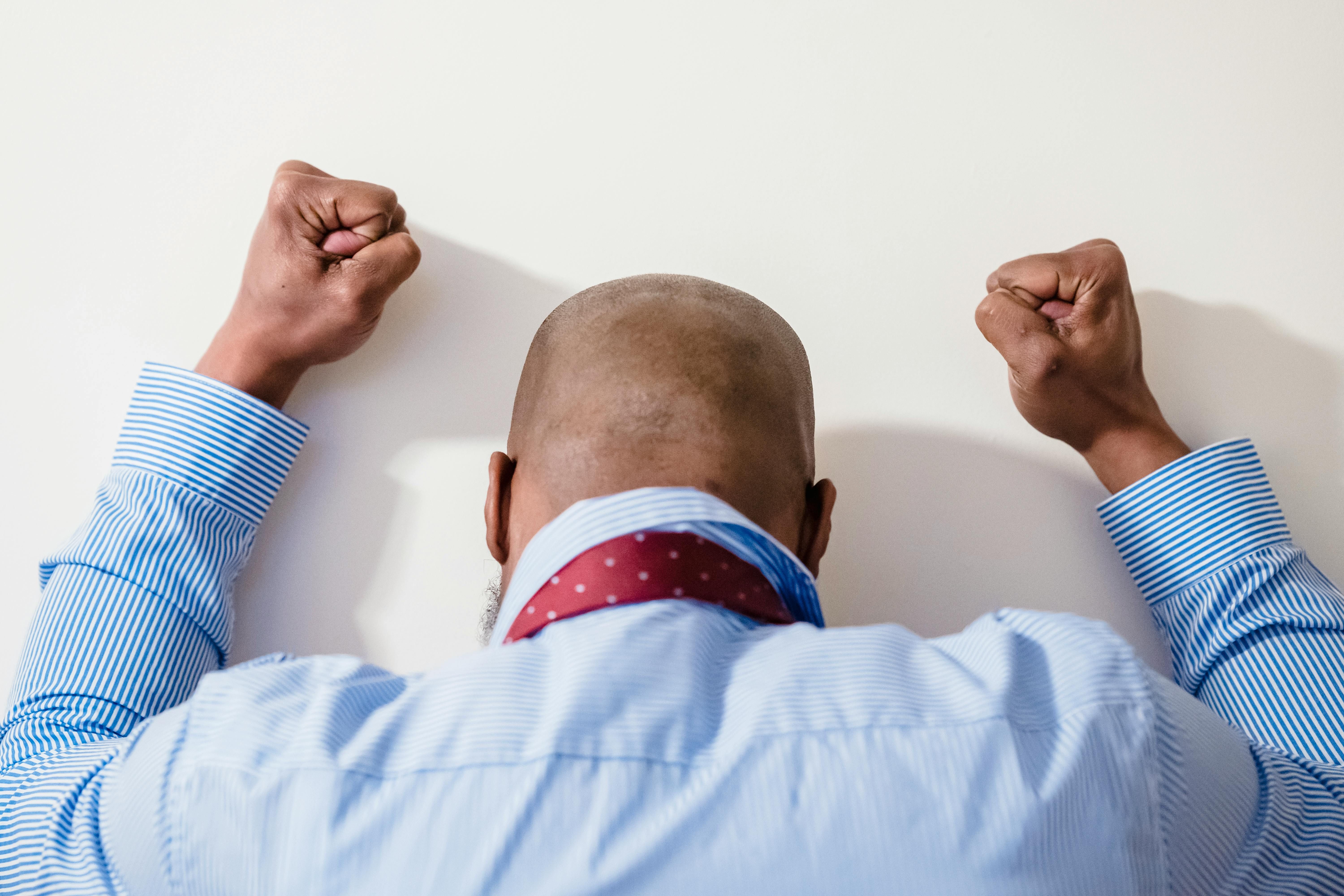
- Lack of Emotional Vocabulary or Safe Spaces
Many men grow up without the tools or spaces to express their feelings. They may struggle to identify or articulate what they’re feeling simply because they were never taught how. When there’s no safe outlet, silence becomes the default.
- Fear of Judgment or Looking Weak
Society often views emotional openness in men as weakness. Because of this, many fear being judged, misunderstood, or dismissed when they speak up. So they stay silent, even when they're hurting.
What You Can Do
1. Start non-judgmental conversations
Check in with the men around you. Ask how they’re really doing, then listen without trying to “fix” them. Sometimes, just being heard is healing.
2. Listen more than you speak
Let them talk without rushing to give advice. Your quiet presence can be more comforting than your words.
3. Encourage professional help, not just pep talks

Support isn’t just about being there, it’s also about pointing them toward expert care when needed. Encourage therapy, not just motivational talk.
4. Share helpful content
Sometimes, sharing a resource is all it takes to open a door. Forward articles, hotline numbers, or therapy links like Tranqbay to someone who might need it.
You Deserve Support Too
Healing doesn’t mean your responsibilities vanish. But learning to carry them differently makes all the difference.
If you’re a man who’s been “pushing through” silently, try to pause and breathe. Ask for help. It’s not a sign of weakness. It’s one of the strongest, most courageous things you can do.
At Tranqbay, a licensed therapist can help you begin that journey with zero judgment.
Need guidance? Here's a simple step-by-step guide