
What is Gratitude?
Did you know that practicing gratitude can physically change your brain?
Gratitude isn’t just about being polite or saying thank you; it’s about being appreciative of who you are and the things happening in your life. Taking a moment each day to acknowledge what you’re thankful for can have profound effects on your mental health and well-being.
Gratitude may seem like a small act, but its impact is substantial. It contributes to individual well-being, improves mental health, and even boosts physical health.
Let’s take a closer look at how gratitude works and how you can start incorporating it into your daily routine.
How Does Gratitude Affect the Brain?
Gratitude doesn’t just make us feel good; it actually changes the way our brain functions. Research indicates that practicing gratitude activates brain regions associated with positive emotions, including the prefrontal cortex. These regions are linked to feelings of joy, satisfaction, and even empathy.
Over time, these repeated positive feelings can lead to neuroplasticity, the brain’s ability to reorganize itself and strengthen neural pathways that support happiness and well-being.
But it doesn’t stop there. Gratitude helps reduce stress, anxiety, and depression by regulating the production of cortisol, a stress hormone. It also increases the production of dopamine and serotonin, chemicals that help improve mood and make us feel more relaxed.
The Psychological Benefits of Gratitude
Regularly practicing gratitude can lead to several psychological benefits, such as:
- Reduced stress
- Improved mood
- Better sleep
- Reduced symptoms of depression and anxiety
- Increased self-esteem
- Decreased social comparisons
These benefits don’t just happen overnight. The more consistently you practice gratitude, the more these positive changes become ingrained in your mental and emotional patterns.
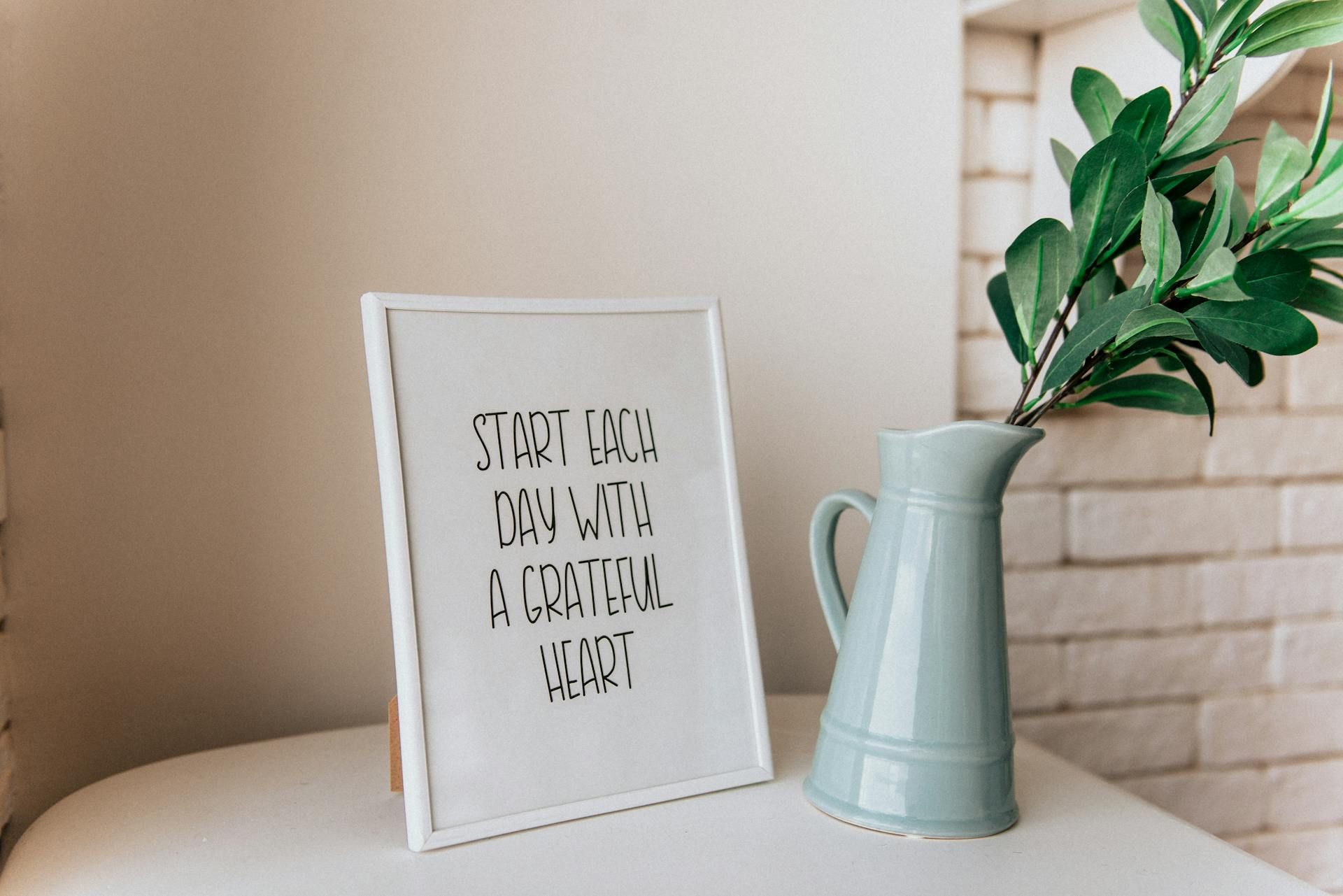
How to Cultivate Gratitude in Your Life
Building a gratitude habit doesn’t require a huge lifestyle change, but it does require some intention. Here are a few simple ways to develop a gratitude practice that can significantly improve your mental health:
1. Daily Reflection:
Take a moment each day to reflect on the positive things in your life. You don’t need to look far; sometimes the small things like a warm cup of coffee or a kind word from a friend are enough. Dedicate just 10 to 15 minutes at the end of the day to reflect on the things you’re grateful for. It could be the skills you’ve learned, the relationships you have, or personal achievements.
2. Keep a Gratitude Journal Journaling:
It is a powerful tool for cultivating gratitude. Each day, write down the things you’re grateful for. It could be anything, big or small. The key is consistency. Over time, your gratitude journal will become a valuable reminder of the positive aspects of your life. For more on journaling, check out our post on how to get started Journaling.
3. Adopt a Positive Outlook:
It’s easy to get caught up in the negativity that surrounds us, but try to consciously recognize the positive aspects of your life. This doesn’t mean ignoring challenges or pretending everything is perfect, but instead focusing on the things that are going well. A positive outlook doesn’t just make you feel better, it helps you see opportunities and solutions, even in difficult situations.
4. Draw Strength from Others’ Stories:
Sometimes, hearing how others have overcome struggles can remind us to be grateful for what we have. Whether it’s a friend, family member, or someone in the public eye, learning from other people’s stories can provide perspective. By acknowledging the good things in your life, you cultivate a deeper sense of gratitude.

Why Gratitude is Essential in Your Journey
Gratitude shouldn’t be separated from your personal journey.
When we fail to acknowledge our progress, we risk becoming complacent or forgetting how far we’ve come. Gratitude reminds us of our growth and achievements. It helps us embrace our journey, no matter how big or small the steps are.
As you focus on the positive things in your life, you’re more likely to feel good about yourself and your accomplishments. This sense of satisfaction makes it easier to face challenges with resilience and optimism.
Action Steps
Now that you’ve learned about the benefits of gratitude, let’s make it personal by trying one or all of these steps:
- Take a moment to think about someone in your life who has made a positive impact. It could be a friend, family member, colleague, or even a stranger whose kindness touched you. Write them a short message or give them a call to express your gratitude.
- Take a paper or your notepad and list ten things you are most grateful for in your life. Once you have written them down, reflect on each one for a moment. How do they make you feel? Notice any changes in your mood, even if just slightly.
- Take a week to commit to a 7-day gratitude challenge. Each day, describe the things you are grateful for and how they make you feel.
Will you be trying any of these?