Most of us imagine two people sitting across from each other in a quiet office with a couch, a box of tissues, and maybe a clock on the wall when we picture therapy. But that's not the only way therapy can happen. Increasingly, therapists are taking sessions outdoors, and one of the more talked-about approaches is walking therapy.
But what does walking therapy involve, who may benefit from it, and what are its limitations?
What is walking therapy?
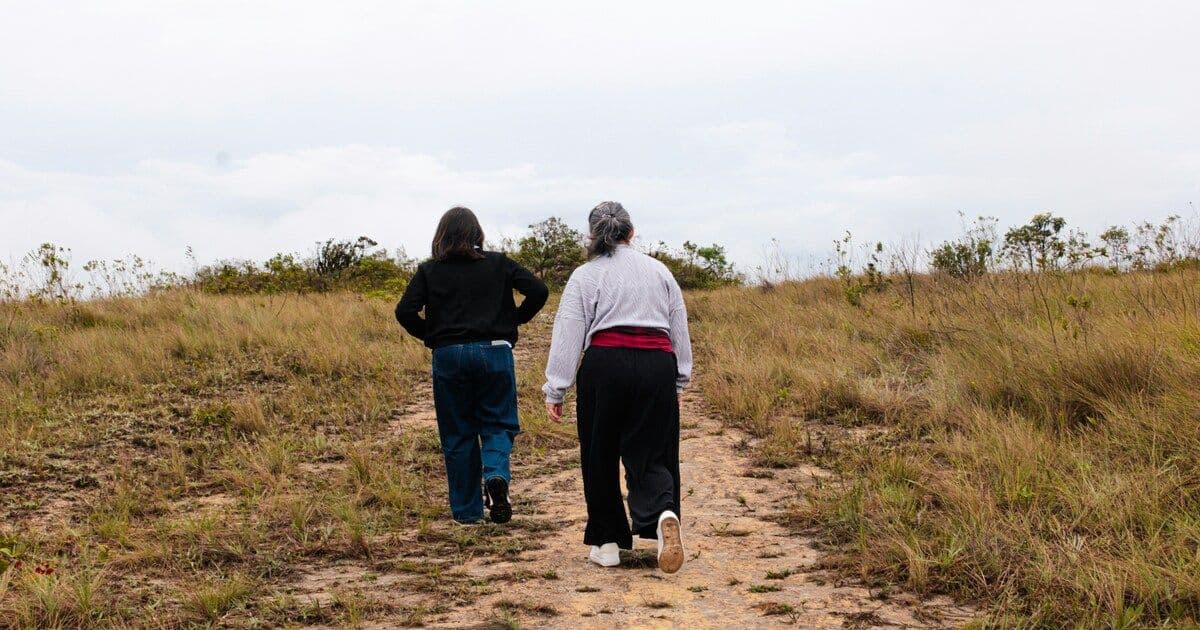
Walking therapy is a form of psychotherapy in which a qualified therapist and client have a session while walking together, usually outdoors, rather than sitting in an office. It is also known as walk-and-talk therapy, The American Psychological Association describes walking therapy as bringing together three elements that can each support mental health: talk therapy, physical activity, and time outdoors.
Although it differs from traditional therapy, the fundamental purpose remains the same. It is still a therapeutic conversation between a trained professional and a client, working through whatever the client has brought to the session. What changes is the setting and the physical activity involved. Instead of sitting face-to-face in an enclosed room, therapist and client move side by side, often along a park path, nature trail, or quiet outdoor route.
That side-by-side position, in particular, is often cited as one of the more distinctive features. Some clients may find it easier to talk when they are walking side by side rather than sitting directly across from someone.
The way walking therapy is conducted can vary. A therapist may use the same approach they normally use, such as CBT or person-centred therapy, but the session takes place while walking instead of sitting in a therapy room.
How does walking therapy work?
In practice, a walking therapy session looks like this:
- The therapist and client agree on a route in advance, often somewhere familiar and relatively private, like a park.\
- They walk together at a comfortable pace for the length of the session.
- The therapist still draws on their usual therapeutic techniques and training. Walking doesn't replace clinical skill; it simply changes the setting.
- Some therapists structure sessions loosely around the walk itself, while others allow the conversation to guide the session.
No two walking therapy practices look exactly alike because it depends on the therapist, the client, and the therapeutic approach being used.
What are the mental health benefits of walking therapy?
The American Psychological Association notes that early studies have found promising results for walking therapy, including potential benefits for anxiety, depression, and PTSD symptoms. Beyond that, walking therapy may support mental wellbeing in several ways:
Physical activity and mood
Movement itself can support mood and mental wellbeing, and walking therapy incorporates physical activity into the therapy session rather than keeping the two separate.
A less confined feeling
For clients who find it uncomfortable to sit still in an enclosed room with another person, walking may help reduce that sense of confinement.
Connection with the outdoors
Walking therapy is not the same as nature therapy, but being outdoors may add to the experience for some clients. The natural environment can provide a change of scenery and a different setting for therapy.

A more natural-feeling conversation
Walking side-by-side can feel less formal than sitting directly across from someone, which some clients may find more comfortable when talking about personal experiences.
Space for reflection
The rhythm of walking and the outdoor environment may create opportunities for reflection during a therapy session.
The experience can be different for everyone, and what works well for one person may not work the same way for another.
Who might find walking therapy helpful?
Walking therapy may be particularly appealing to people who:
- Feel uncomfortable with the intensity of sitting face-to-face in a traditional session
- Enjoy movement or physical activity
- Feel more at ease in outdoor environments
- Find conventional therapy settings intimidating or overly clinical
That said, finding the idea appealing does not necessarily mean it is clinically appropriate. Whether walking therapy is suitable depends on a person's specific needs, physical limitations, and the assessment of a qualified professional.
Is walking therapy suitable for everyone?
Walking therapy isn't right for everyone, and it comes with some practical limitations. Privacy and confidentiality, for example, can be harder to maintain in an outdoor or public setting than in a closed therapy room.
Weather can also affect sessions, particularly if the weather becomes too hot, rainy, or otherwise uncomfortable. There are also accessibility considerations, as walking therapy may not be suitable for clients with certain mobility limitations.
Safety is another consideration, including the choice of route and the surroundings where the session takes place. Noise, traffic, or other people can also become distractions and interrupt the flow of a session.
Finally, some people simply feel more comfortable with the privacy and structure of an indoor therapy room, and there is nothing wrong with that. Walking therapy is another option, not a replacement for traditional therapy.
Conclusion
Walking therapy is not intended to replace traditional therapy. It is another way of providing therapy, with the same focus on the therapeutic relationship and professional support, but in a different setting. While some people may find walking and being outdoors more comfortable, others may prefer the privacy and structure of an indoor therapy room.
If you are considering walking therapy, speak with a qualified therapist about the approach and whether it is appropriate for your needs. The most suitable therapy approach will depend on the individual and what they are seeking support for.
Disclaimer
This article is for general information only and isn't a substitute for personalised advice from a qualified mental health professional.