
What is workplace anxiety?
Workplace anxiety, also known as work anxiety, is becoming an increasingly common experience. For some employees, every workday begins with a racing heart, constant worry, and the fear of making mistakes. According to the World Health Organization, an estimated 12 billion working days are lost every year to depression and anxiety, costing the global economy about US$1 trillion in lost productivity. This emphasises the growing need for organisations to prioritise mental well-being in the workplace.
Most global reports measure workplace stress rather than diagnosed anxiety disorders. However, the two are closely connected. When stress becomes frequent and overwhelming, it can gradually develop into persistent anxiety that affects both well-being and job performance.
Anxiety is a state of mental uneasiness and nervousness, often accompanied by physical symptoms such as restlessness, a racing heart, difficulty concentrating, and even a distressing feeling in the stomach. Occasional anxiety before a presentation or meeting is a normal part of working life. Workplace anxiety is different because it persists beyond those moments.
The workplace is where many people spend a significant part of their day earning a living. It is therefore not surprising that experiences within this environment can have a profound effect on mental well-being. Workplace anxiety can be mild or severe, temporary or persistent, depending on the individual and the circumstances surrounding their work.
There are various reasons why workplace anxiety develops. Unrealistic deadlines, job dissatisfaction, difficult supervisors, fear of losing one's job, toxic work culture, imposter syndrome, excessive workload, lack of control over responsibilities, and poor work-life balance are just a few examples. It is not always one major event but a combination of several daily pressures that gradually leaves a person feeling anxious.
The effects of workplace anxiety extend beyond the individual and often show up in their productivity. When someone is constantly worried, it becomes harder to concentrate and complete tasks efficiently. Employees may begin missing deadlines, avoiding meetings, procrastinating, or calling in sick more often. The organisation also feels the impact through decreased overall performance.
10 signs of workplace anxiety
Many people experience workplace anxiety without realising that what they are feeling has a name. Symptoms vary from person to person, but the following are some common signs:
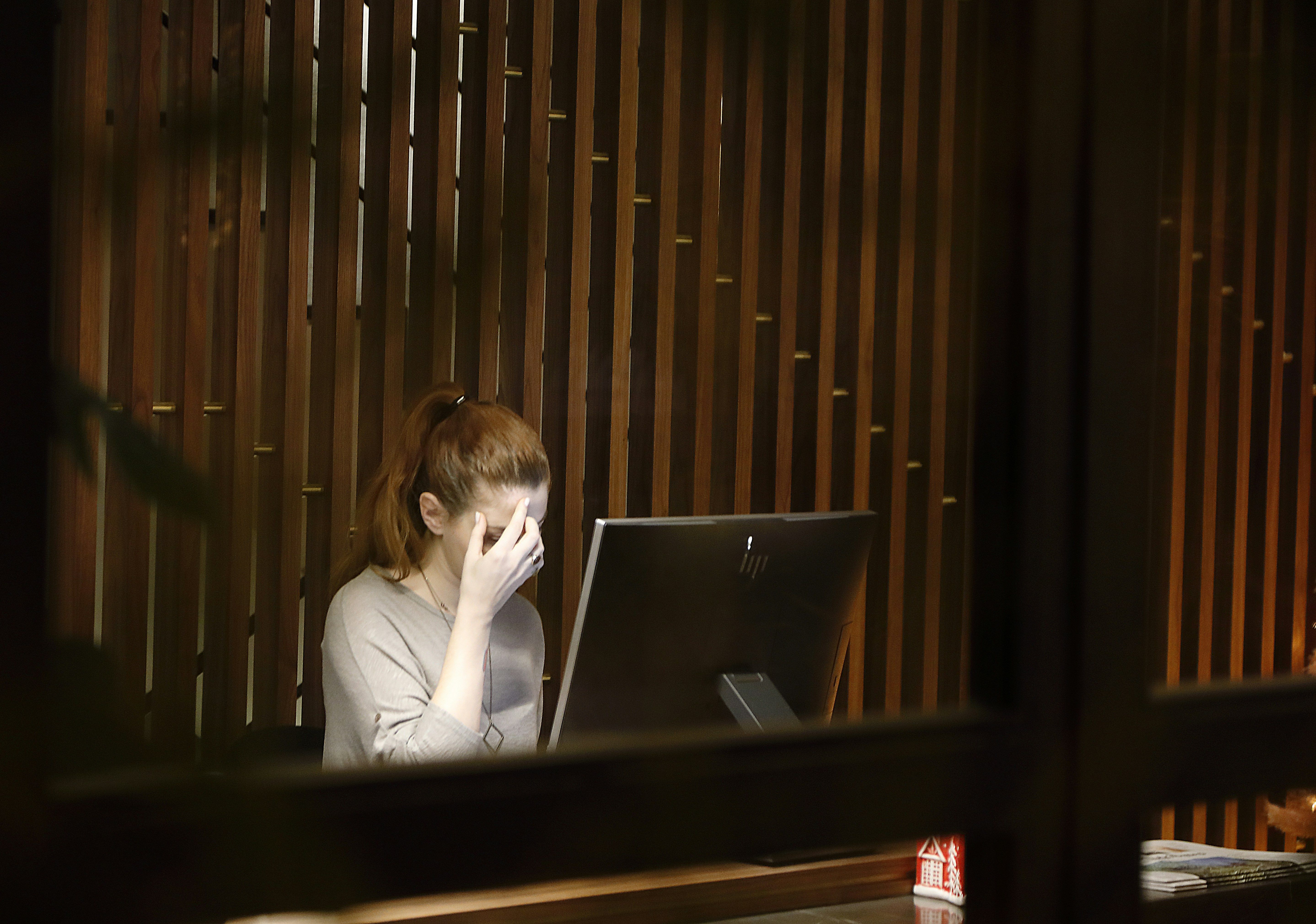
- Constant worrying about work tasks
- Feeling nervous before or during work
- Difficulty concentrating
- Restlessness or feeling constantly on edge
- Racing heartbeat before meetings or presentations
- Fear of making mistakes
- Procrastinating because of fear or self-doubt
- Trouble sleeping because of work-related thoughts
- Irritability with colleagues or customers/clients
- Frequent headaches, muscle tension, or stomach discomfort
7 ways to manage anxiety at work
Workplace anxiety can feel overwhelming, but it is manageable. Although there is no one-size-fits-all solution, certain habits and coping strategies can help reduce its impact and make work feel less overwhelming. Here are seven practical ways to manage workplace anxiety.
1. Identify your triggers
Anxiety rarely appears without a trigger. Two people may experience similar symptoms, yet what causes their anxiety may be entirely different. For one person, it may be public speaking. For another, it could be unrealistic deadlines, perfectionism, difficult colleagues, fear of criticism, or a heavy workload.
Pay attention to the moments when you begin to feel anxious.
- Is it before meetings?
- After receiving emails from your supervisor?
- When deadlines are approaching?
Understanding your triggers makes it easier to respond intentionally rather than react emotionally.
2. Build a support system
It is not always advisable to handle difficult situations alone. Having people you can talk to helps reduce the emotional weight you carry.
Your support system may include a trusted colleague, your supervisor, a mentor, family member, close friend, or a mental health professional. Simply talking about what you are experiencing helps you gain clarity and reminds you that you are not alone.
3. Have a life outside work
Work is an important part of life, but it should not become your entire life. When your identity revolves solely around your job, every challenge at work can begin to feel like a personal failure.

Creating time for hobbies, exercise, volunteering, reading, spending time with loved ones, religious activities, or simply resting gives your mind an opportunity to recover. A balanced life outside work makes it easier to cope with the demands of work.
4. Create structure
Anxiety thrives in chaos. One way to reduce feelings of overwhelm is by creating a simple structure for your workday.
It is not every task that requires immediate attention. Learn to prioritise your tasks based on urgency and importance. Break large projects into smaller, manageable steps instead of trying to complete everything at once.
Also, planning the next day's tasks before leaving work can also help you begin the following day with less anxiety.
5. Take a moment to regulate yourself
When anxiety shows up physically, it helps to pause instead of pushing through it.
Take slow, deep breaths and drink a glass of water. If possible, step outside for a short walk. Practice a simple grounding exercise by paying attention to what you can see, hear, or touch around you.
These small actions may seem insignificant, but they can help calm your nervous system and allow you to regain control before returning to your tasks.
6. Set healthy boundaries
Every email does not require an immediate response, and you don’t have to accept every request. Contrary to popular belief, learning to say no when your workload is already overwhelming is a healthy boundary, not laziness.
Where possible, take your breaks, use your leave days, and avoid carrying work into every evening or weekend. Rest is not a reward for finishing everything; it is part of what helps you stay productive.
7. Seek professional help
If your anxiety persists, becomes overwhelming, or begins to interfere with your ability to function at work or in other areas of your life, it is important to seek professional help.
Why employers should invest in employees' mental well-being

In this ever-evolving world with endless demands, investing only in the professional growth of employees is no longer enough. An employee may possess the right skills and qualifications, but unresolved mental health challenges can affect their ability to perform effectively.
More organisations are beginning to recognise that employee well-being extends beyond salaries and bonuses. Providing access to counselling, group therapy, or mental health education helps employees manage stress before it begins to affect their work and overall well-being.
Group therapy, in particular, creates a supportive environment where employees can share their experiences and realise they are not alone in what they are facing. These conversations often reduce feelings of isolation while equipping participants with practical coping strategies.
For organisations looking to support their workforce, platforms like TranqBay make mental health support more accessible by offering both physical and virtual group therapy sessions, helping individuals manage anxiety, stress, and other mental health challenges in a safe and supportive environment.
Conclusion
Anxiety at work can make every day feel exhausting, but it doesn't have to define your career. Recognising the signs early and taking intentional steps to manage them can make work feel less overwhelming. Whether that means building a support system, creating healthier routines, or seeking professional help, every step you take towards protecting your mental well-being matters.
Taking care of your mental health is not separate from being productive at work. It is one of the ways you become your best, both professionally and personally.