
Nine months ago, it was the beginning of a new year. There was the usual freshness that comes with January, when the year feels wide open and there seems to be enough time to figure things out. Plans were written down and people had a picture, whether clearly defined or simply held in their minds, of how they wanted the year to unfold. At that point, December felt far away. There were twelve months ahead to work on the things that mattered and perhaps become the person they had imagined they would be by the end of the year.
Nine months later, the feeling can be quite different. A lot has happened in those nine months, and the year may have brought changes that affected someone’s plans and expectations. With a few months left, attention can naturally turn back to the plans made at the beginning of the year and what has or has not happened since then.
A sense of urgency can build as the year winds down. The time left may feel too short to accomplish goals that were supposed to be achieved by now. Unfinished tasks become more noticeable, along with worry about whether there is enough time to catch up. Knowing that these are the final months of the year can make them feel even shorter, drawing more attention to what we have done and where we expected to be by this point.

What the Countdown Does to Our Minds
So what happens to our minds when we realise that the year is entering its final stretch? Why can the approaching end of a calendar year make us look at our time, our goals and even our progress differently?
Looking back at the year and seeing a gap between what we hoped to do and where we are now can affect how we feel about ourselves. The months ahead can bring renewed motivation, but they can also bring anxiety, disappointment and the feeling that there is little time left to catch up.
The pressure can become particularly uncomfortable when we start measuring our progress against what we see other people achieving. Instead of seeing the year as a period that contained everything that happened to us, we may reduce it to a list of things we did not accomplish. Reflection can then become a source of self-criticism, especially when unfinished goals are interpreted as evidence that we have somehow fallen behind.
A visible deadline can also change our perception of time. The final months can start to feel like a limited window in which we have to make the year count, rather than simply another part of the year.
Goals or Deadlines?
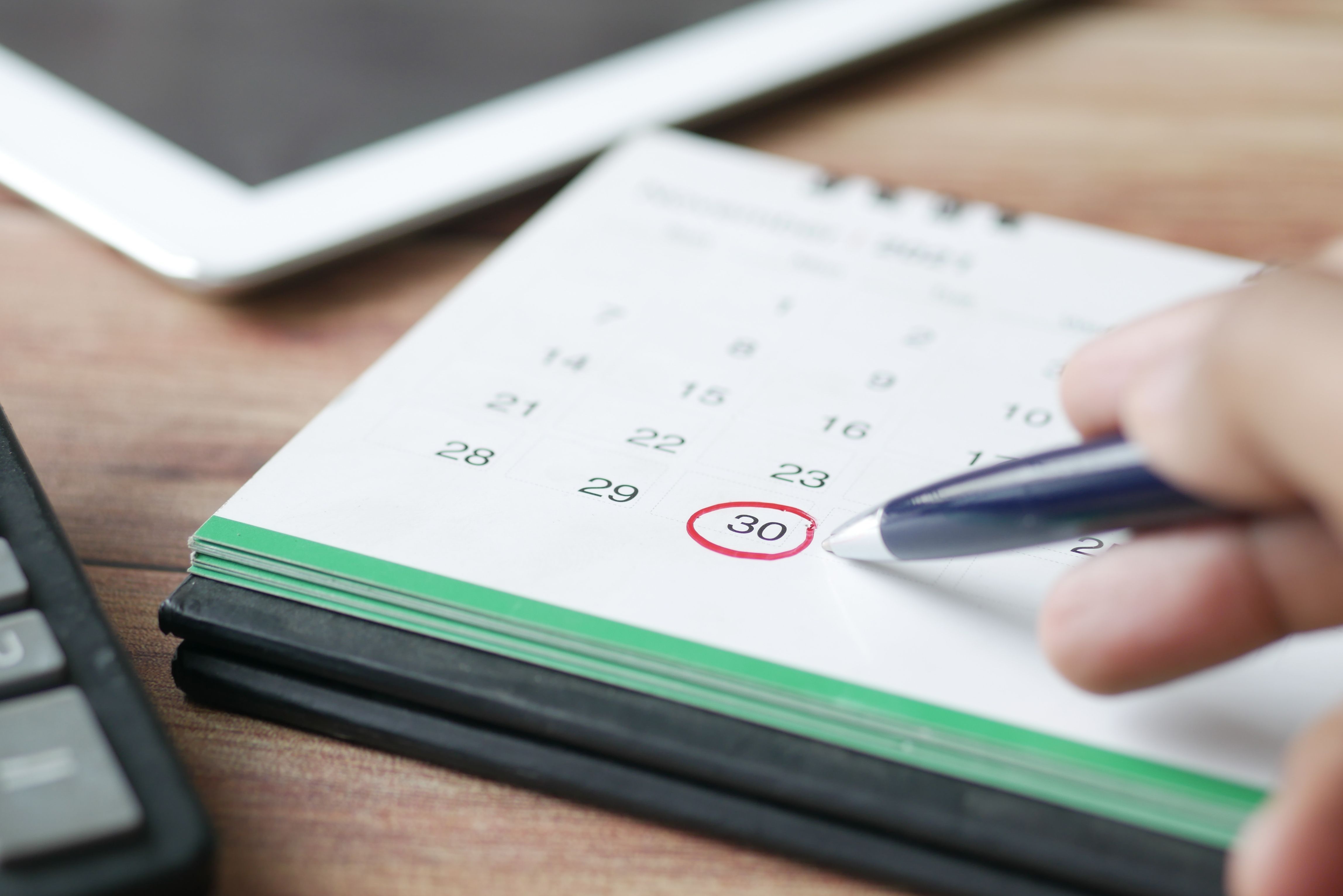
The awareness that the year is coming to an end can change the way we think about what is left to accomplish. There is often an unspoken expectation that a year should produce something tangible by the time it ends. We should have reached a certain point in our lives or made some meaningful progress. At the start of the year, these expectations can feel like possibilities. As the months pass, however, they can start to feel more like deadlines.
Someone who spent much of the year keeping up with work, family or unexpected changes may look at the calendar and feel they haven’t done enough. The focus changes from what actually happened during those months to what they were supposed to produce.
That can create an urge to set increasingly ambitious targets for the time that remains. For someone already dealing with anxiety or persistent self-criticism, the approaching end of the year can give those thoughts another reason to become louder.
Yet a calendar only marks the passage of time. It cannot account for everything that happened within it. A year can hold meaningful progress that was never part of the original plan, from getting through difficult circumstances to managing responsibilities that were never anticipated in January.

Protecting Your Mental Health Before the Year Ends
The final months of the year can weigh on our mental health more than we expect. We are watching time pass and judging ourselves by it, measuring where we are against where we thought we'd be.
There is still time to finish some of what we started and make progress on what matters. But our emotional wellbeing shouldn’t have to carry the weight of everything we hoped this year would be. The end of the year doesn’t have to become a deadline for proving we’ve done enough. A healthy mind can hold unfinished goals without treating them as failure.
One way to ease that pressure is to pause and look at what these nine months actually held. What changed? What did we handle that was never part of the plan? Looking back doesn’t have to be a count of what’s missing. It can help us see the year as it was, rather than only through the lens of what we hoped it would be.
From there, we can commit to a few priorities and accept that the year doesn't need to be filled to the end. A measured pace is gentler on our mental and emotional wellbeing than a final rush.