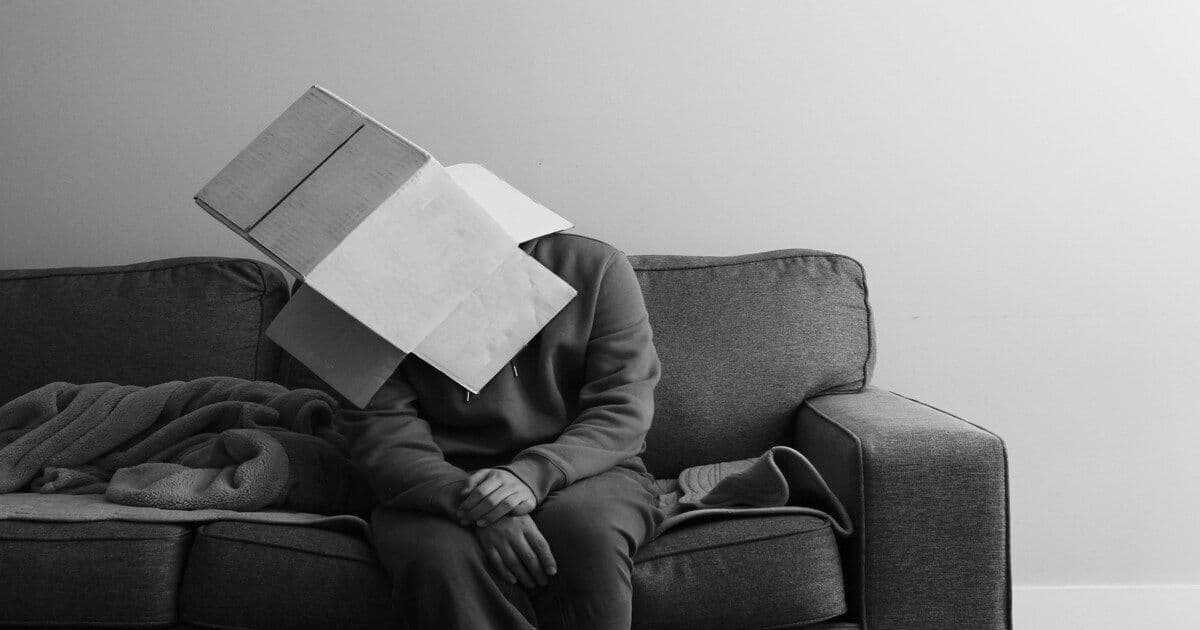
I used to think I was simply in love with a difficult man.
That was how I explained David to everyone, including myself. He could be loving, generous and attentive, but he also had a temper that could turn an ordinary conversation into an argument. When he became angry, I learnt to watch my words, lower my voice and avoid anything I knew might provoke him. I called it understanding him.
I did not realise I was learning how to survive him.
The first time he used everything I had ever confided in him against me during an argument, calling me names and making me feel small and worthless, I cried for hours.
The next morning, he apologised and told me he had been under pressure. He bought breakfast on his way home that evening and behaved as though nothing had happened. I accepted his apology because I wanted to believe that the man who had hurt me was not the same man who loved me.
Soon, I became accustomed to the cycle. He would lose his temper, tell me I had pushed him too far, apologise afterwards and promise it would not happen again. Sometimes he made me feel guilty for being upset in the first place.
“You know how you can be, Claire” he would say. “You always make things bigger than they are.”
Eventually, I began to believe him.
I questioned my own reactions. Maybe I was too sensitive anddifficult. Maybe if I chose my words more carefully and stopped doing things that annoyed him, we would have fewer problems.
I did not see that I was taking responsibility for his behaviour.
My friends noticed before I did. I stopped going out as often. I became anxious whenever I stayed somewhere longer than I had told him I would. If he called and I missed it, my stomach tightened. If he became quiet, I immediately began searching my memory for what I might have done wrong.
I was always waiting for the next incident.

Even when nothing was happening, my body seemed to expect something to happen.
When I finally left, people congratulated me as though I had simply walked out of a bad relationship and closed the door behind me.
They did not see what came after.
I had spent years being told that I was the problem, and leaving did not immediately make me stop believing it. I missed him. I missed our routines. I missed the good days. I even missed the certainty of knowing what to expect, because freedom felt strangely frightening after years of having someone else determine what was acceptable.
There were nights when I almost called him.
Then I would remember the woman I had become around him. I no longer trusted my own decisions. I had let friendships fade simply to avoid arguments, and little by little, I began changing parts of myself to keep the peace. Still, I convinced myself that keeping the relationship was worth all of it because I had already invested so much of my life in it.
I am telling this story now because I am learning that leaving was only the beginning.
That day, as I finally walked away, I told him to seek professional help, never realising that I would eventually need it myself. Months later, I found myself in therapy, trying to heal from the psychological effects of the relationship.

My therapist once asked me why I kept describing everything I had done wrong but rarely talked about what had been done to me.
I had no answer.
For years, I had measured my worth by how well I could keep him happy. I thought being loved meant being patient, forgiving and accommodating enough to keep the peace.
I am learning something different now.
Love should not require me to live in fear of another person’s anger. I am beginning to understand the difference between compromise and losing myself, and slowly learning to trust my own judgment again.
Some days, I still struggle.
But I no longer call that failure.
After years of surviving, I think I am finally learning how to live.
The Psychological Effects of an Abusive Relationship
Abusive relationships can affect a person’s mental health in ways that are not always immediately obvious. The effects can extend beyond the moments of physical or verbal abuse and gradually change how a person thinks, behaves and sees themselves.
Trauma and hypervigilance
Living with unpredictable anger or violence can leave someone constantly anticipating danger. They may become highly alert to changes in tone, facial expressions or behaviour because they are trying to prevent another incident.

Gaslighting and self-blame
Repeatedly being told that you are too sensitive, difficult or responsible for another person’s anger can make you question your own perception. You may start looking for what you did wrong instead of recognising the behaviour being directed at you.
Low self-worth
Abuse can gradually affect how a person sees themselves. A person may start believing they are not good enough or do not deserve better. The thought of finding another relationship can feel almost impossible.
Emotional dependency
A person can remain emotionally attached to someone who is hurting them, particularly when periods of affection and remorse exist alongside the abuse. The good moments can make it difficult to reconcile the person they love with the person who harms them.
The sunk-cost trap
Years spent in a relationship can make leaving feel like admitting that all that time was wasted. This can keep someone holding onto the hope that things will eventually become what they once imagined.
These experiences can continue after the relationship ends. Healing, therefore, may involve more than leaving the abusive situation. Part of that process is rebuilding self-worth and learning to feel safe in your own decisions again.
If you’re struggling with the psychological effects of an abusive relationship, whether romantic or platonic, speaking with a mental health professional can give you a safe space to process what you’ve experienced and begin healing.
The characters in this story are fictional. The psychological effects explored through their experience are not.