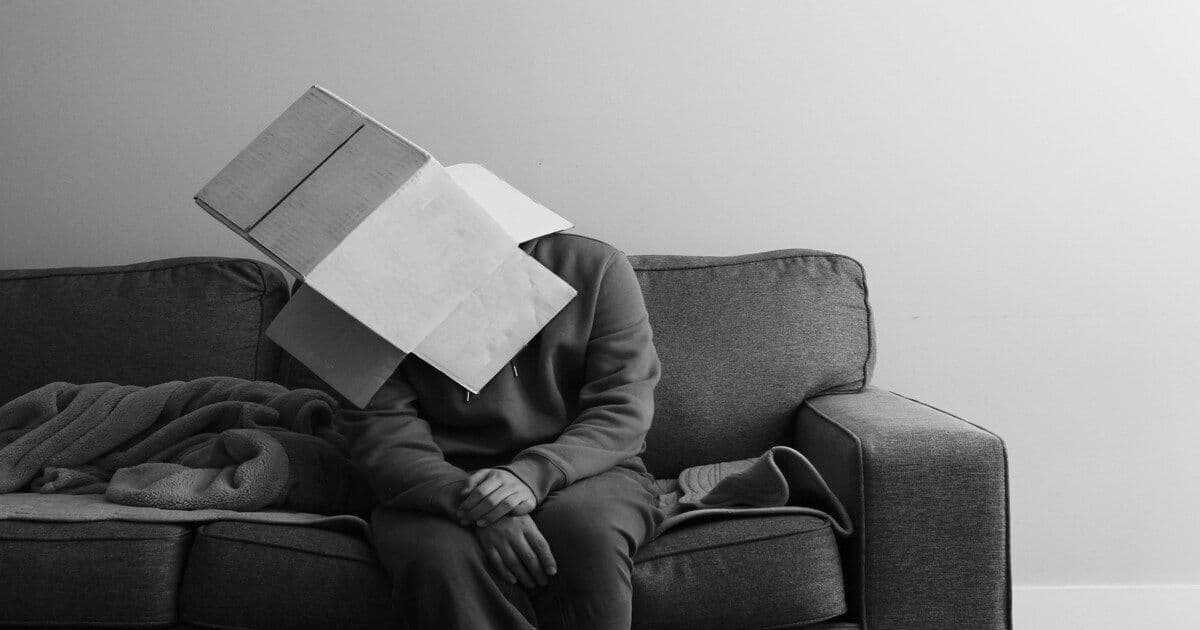
To wrap up Men’s Mental Health Month and complement the articles 7 Signs He's Struggling but Won't Say It and Stop the Stigma, we decided to listen directly to one man’s experience.
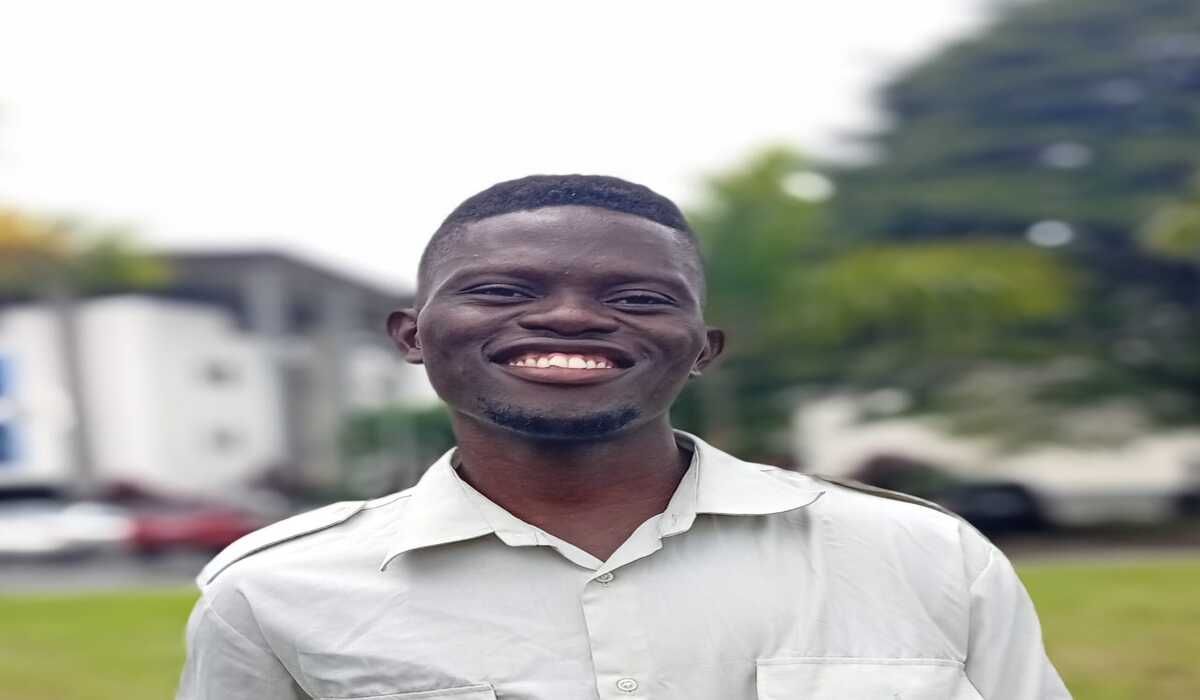
Soneye Michael, an artist who channels his emotions through drawing, shares his honest journey navigating what it really means to be a man in today’s world: the pressures, the silence, and the hope for healing.
His story is one of many, but it’s a powerful reminder that men’s mental health is deeply personal, complex, and deserving of our full attention.
Growing up, what messages did you receive about what it means to “be a man”?
Honestly, no one really sat me down and spelled it out. I had to figure it out for myself through what I saw around me and what I experienced. Growing up, there were so many things I just didn’t understand about being a man, like what’s expected, what’s allowed, what’s off-limits. Most of the lessons came from watching others and learning through trial and error.
But there was this constant unspoken expectation and silent pressure that being a man means surviving no matter what. Like, you have to push through hardship and keep going even when things hurt, even when you feel broken inside. That’s what I learned, sometimes painfully, that toughness equals manhood. But that also meant bottling up feelings, not asking for help, because that’s “weak.”
Was mental health ever discussed in your family, school, or community?
Mental health? Not really. But when it's mentioned, it's not in a way that made it feel real or urgent. People would say things like “you’re too young to be struggling” or “everyone goes through stuff, just deal with it.” So when I was feeling overwhelmed or down, those words made it seem like I shouldn’t talk about it or that my feelings weren’t valid.
It’s like the conversation was there but buried under be strong and move on. That made it hard to be open about what was going on inside.
Why do you think many men struggle to talk about their emotions or mental health?
Because society has built this idea that men must always be the rock. We’re supposed to survive, fix things, and never show pain. So when a man starts talking about his feelings, it’s often seen as a weakness or something shameful.
Also, men are sometimes raised to believe that showing emotion will make people look down on them, or worse, that it will cost them respect. That pressure makes many men shut down instead of reaching out.
Have you ever been made to feel “less of a man” for showing emotion or vulnerability?
Yes, definitely. One time, someone who had more financial power offered help but made it clear there were conditions attached. It was like I was paying a price just for being honest about struggling. That kind of experience makes you think twice about opening up again because it feels like vulnerability is being weaponized against you.
What would you say to someone who thinks “mental health talk is for women”?
I’d say they just haven’t met a man who cries or shares what he’s really feeling. Men have emotions, too. Pretending we don’t only keeps us trapped in silence and pain. Mental health isn’t a gender issue, it’s human.
What’s one myth about men and mental health you’d like to debunk?
That men don’t cry or don’t suffer from mental health issues. That myth is dangerous because it keeps men from seeking help and being honest with themselves and others.
If a young man were reading this and silently struggling, what would you say to him?
Don’t give up. Keep grinding, but don’t grind alone. Find someone you trust; a friend, a family member, a counselor, and talk. Pray if that’s your thing. Whatever works for you, keep working toward getting better. You’re not weak for struggling; you’re human.
Do you think we’re doing enough to support men’s mental health? What more needs to be done?
Some people are trying, but not enough. Men need to feel truly loved and valued. More importantly, we need more listening ears, people who don’t just hear but really listen without judgment or rushing to fix things. That kind of support can make a big difference.
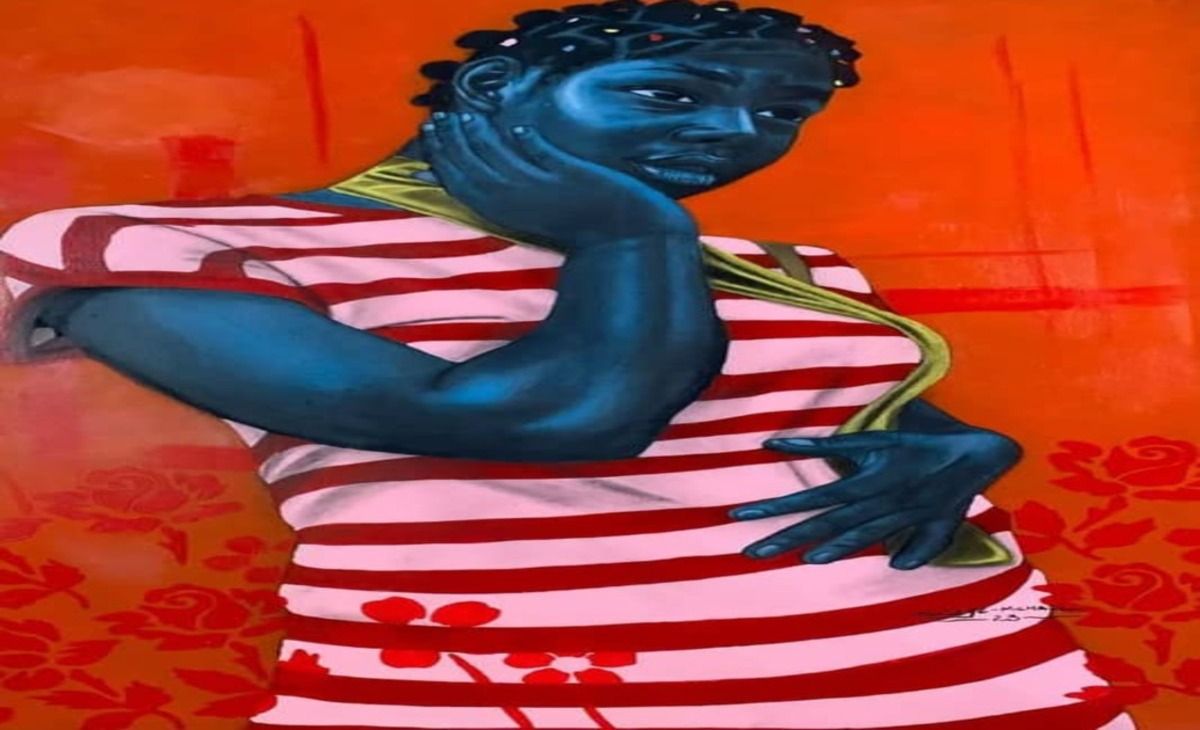
What are your coping mechanisms?
I’m an artist. Drawing is my escape. When I put pencil to paper, I’m able to express feelings that are hard to say out loud. It’s my way of making sense of the chaos inside and finding some peace.
Besides art, my faith keeps me grounded. The Word of God and God Himself are my anchors through tough times.
Have you tried therapy? If yes, how was it? If no, why?
I haven’t tried therapy yet. It’s mostly because I can’t afford it right now. But I believe it could help, and I hope to try it when I get the chance.
Any last words you'd like to leave with readers?
If you see someone breaking down, don’t turn away. They need your support more than you might think. Sometimes just being there can save a life.
Tranqbay Can Help
Michael's story is a powerful reminder that men’s mental health matters deeply and that breaking the silence starts with honest conversations like this one. Art, faith, and connection offer different paths to healing, but the key is that no man should have to carry his pain alone.
If you are struggling or know someone who is struggling with anxiety, depression, PTSD, trauma, or other mental health challenges, reach out because healing begins when we break the silence.
It’s not uncommon to hear people say they haven’t tried therapy because it feels out of reach financially. But often, that belief comes from not knowing what options actually exist. At Tranqbay, we’re changing that.
We offer affordable therapy plans tailored to fit your budget, because your healing shouldn't have to wait for your wallet to catch up. You don’t have to choose between getting help and staying afloat.
If cost has been the barrier, it doesn’t have to be anymore. Let’s make healing possible together.
You can book your first session or start with an initial consultation.