National Relaxation Day 2026 is a chance to take a break from the demands of everyday life and make time for relaxation. This article looks at why relaxation matters and simple ways to observe National Relaxation Day.
What Is National Relaxation Day?
National Relaxation Day is observed on August 15. It was founded in 1985 by Sean Moeller to encourage people to take a break from work and relax. The idea behind the day is simply that people need time to pause from the demands of everyday life and give themselves an opportunity to rest.
The observance encourages people to step back from strenuous tasks and pay attention to their wellbeing. It draws attention to something that is often pushed aside when work, responsibilities and other demands take priority.
This year's National Relaxation Day falls on a Saturday, which makes the timing rather fitting. For many people, Saturday is already a day when work takes a back seat, making it easier to set aside some time for relaxation.
Perhaps that is one of the useful things about having a day dedicated to relaxation. Giving it a name and a date makes it easier to recognise rest as something worth making time for, rather than something that only happens when everything else has been taken care of.
Why National Relaxation Day Matters
Work is an important part of everyday life, but so is rest. A lack of time between work and other responsibilities to slow down can begin to affect a person’s physical and mental health, sometimes without them noticing at first. The endless demands of an ever-evolving world have also made it easy to see rest as something extra rather than something that deserves a place in the routine.
Physical Health
A busy routine with little time for rest can affect the body in several ways. Ongoing stress can contribute to headaches, muscle tension and fatigue, while poor sleep can leave a person feeling tired even after spending several hours in bed. Frequent stress can also affect the immune system and contribute to high blood pressure.
The signs are not always obvious at first. Someone may simply notice that they are more tired than usual or that sleep is no longer as refreshing as it used to be. With work and other responsibilities still demanding attention, it can be easy to dismiss these changes and carry on with the same routine.

Mental Health
The effects can also extend to mental health. Living with constant stress can make it harder to concentrate and manage emotions, while prolonged pressure can contribute to anxiety and irritability. It can also affect sleep, which may make it more difficult to cope with the demands of the following day.
When relaxation is consistently pushed aside, there may be little opportunity to mentally step away from the things causing stress. As this continues, a person may begin to feel overwhelmed or mentally exhausted.
National Relaxation Day is only one day, but it provides a reason to pay attention to something that is often overlooked. Taking time to relax can help ease the effects of stress and leave people feeling less worn out.
How to Observe National Relaxation Day
1. Practice Mindfulness Exercises
Mindfulness does not require an hour of sitting still with your eyes closed. Try three simple practices instead.
- Meditation is a good starting point. Ten focused minutes of focused breathing can lower your heart rate and quiet the mental noise that builds up over a busy week.
- Journaling gives your thoughts somewhere to go besides in circles. Write without editing yourself and let the page hold what your mind has been carrying.
- Deep breathing exercises such as box breathing can be useful when there is only a few minutes to spare. Breathe in for four seconds, hold for four seconds, breathe out for four seconds, then hold again for four seconds. Repeat the cycle for a few minutes. The Tranqbay mobile app can also be used to guide breathing exercises.
2. Spend Time in Nature
Nature has a soothing, natural vibe that indoor spaces don’t quite replicate. A walk outside feels different from a walk on a treadmill, and it does not take much to notice why.
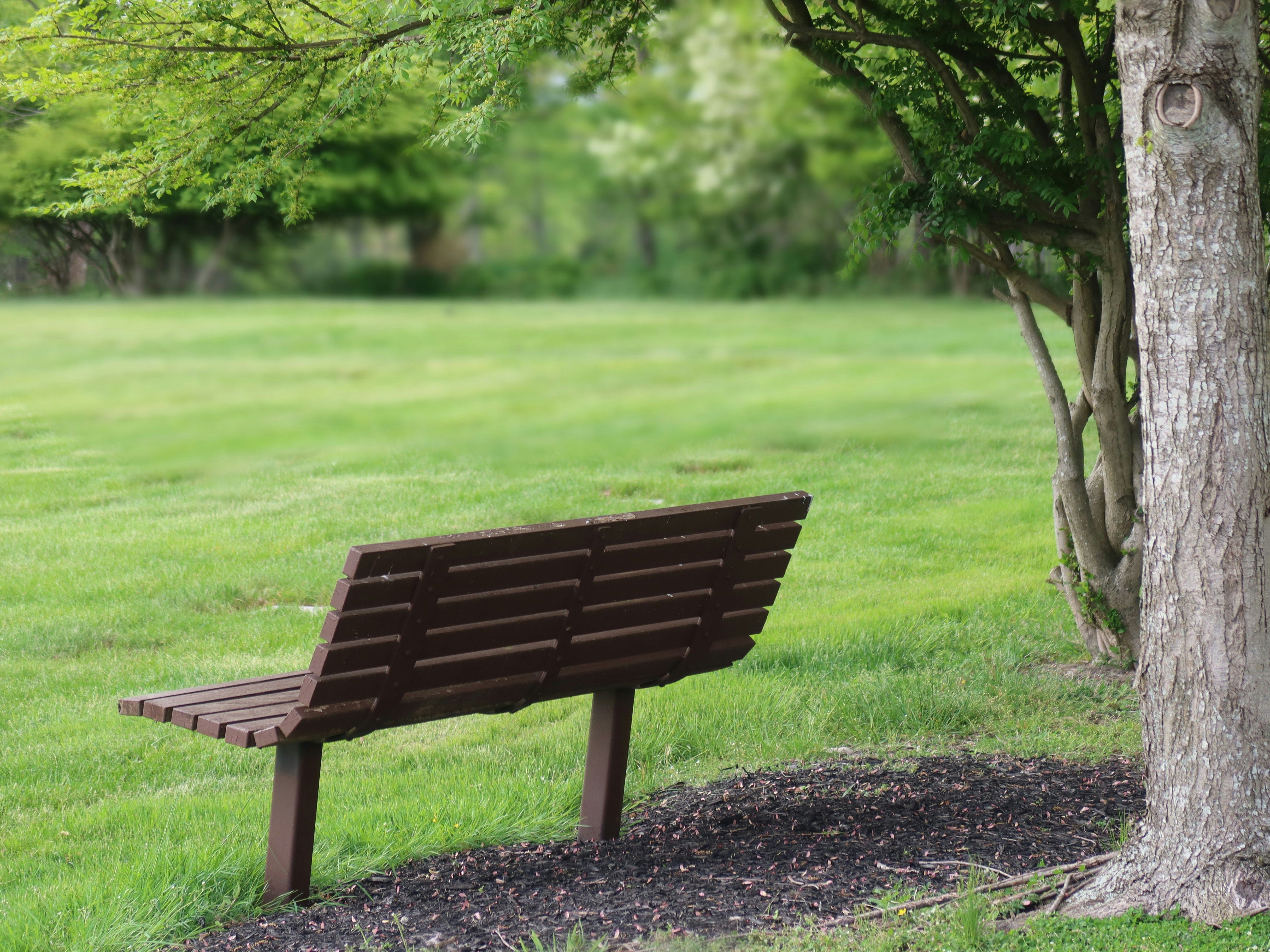
This does not require a hike or a scenic destination. Sitting under a tree, walking without your phone, or opening a window and letting fresh air into the room all count. Time outdoors tends to ease mental fatigue in ways that screens don’t, regardless of how good those screens look.
3. Suspend Work Activities or Chores
Avoid physical work, chores and other demanding activities for the day. The laundry can wait, and so can some of the other things on the to-do list. Taking a break becomes difficult when it is filled with household chores and other responsibilities, so putting them aside for a while can create time for genuine rest.
Giving yourself full permission to disengage for one day is what separates resting from merely pausing. If a thought shows up telling you this is unproductive, that thought is exactly what today is meant to interrupt.
4. Enjoy Quality Sleep Without Guilt
This one is often the hardest, mostly because guilt has a way of creeping in the moment rest actually starts.

Sleeping in is sometimes seen as laziness, especially when there are things that need to be done. Sleep, however, is important for the body and brain. The body carries out important repair processes during sleep, while the brain uses this time to process emotions and consolidate memories.
Today, let sleep be enough. Put aside the list of everything else that needs to be done. If you are feeling tired, give yourself some time to rest.
5. Tell Others about National Relaxation Day
Many people may not know that National Relaxation Day exists. Sharing information about the day can help more people become aware of the importance of taking time to relax. Share this article with friends, family, colleagues or anyone who may need the reminder. A simple conversation or social media post can also encourage someone else to take a break.
Conclusion
National Relaxation Day only comes around once a year, but the idea behind it doesn't have to stay limited to one date. Paying attention to how often rest gets pushed aside, and making room for it anyway, is something worth carrying into the rest of the year.
This August 15, whether that means sleeping in, stepping outside, or simply doing nothing for a while, the point is to actually let it happen without the guilt that usually follows.
Frequently Asked Questions on Relaxation
What are 10 relaxation ideas?
- Take a walk.
- Read a book.
- Listen to calming music.
- Take a nap.
- Spend time in nature.
- Practise meditation.
- Take a warm bath.
- Journal your thoughts.
- Watch a favourite movie or show.
- Spend quiet time away from your phone and other screens.
What are the benefits of relaxation?
Regular relaxation can help reduce stress and leave people feeling less tired. It can also make it easier to manage everyday emotions and cope with the demands of daily life.
How can I make relaxation part of my routine?
Start by setting aside small periods for rest during the day or week. This could mean taking a short walk, getting enough sleep, spending time outdoors or putting work and other responsibilities aside for a while. Choosing activities that are genuinely relaxing and making them part of a regular routine can make rest easier to maintain.