
You do not need to be in the middle of a crisis to fear that something bad is about to happen. That fear can linger even during life's most ordinary moments.
Samuel got promoted on a Tuesday morning.
Everyone in the office celebrated. They said he deserved it. He smiled, thanked them, and returned to his desk.
Before the excitement had settled, another thought quietly took its place.
What if this doesn't last?
He imagined an email arriving before the end of the week, saying there had been a mistake. He imagined making one costly error that would erase everything he had worked for.
It wasn't a new habit. Whenever rain fell heavily, his mind traveled three hours home before the clouds did. He pictured flooded roads, power outages, phone calls that never came.
His younger sister sometimes took a while to answer the phone. On those days, Samuel checked the time, then the news, then his phone again. By the time she called back to say her battery had died, he had already imagined a dozen endings.
A slow reply from a friend became evidence that he'd offended them. A meeting request from his manager became bad news, decided in advance. When life felt too calm for too long, some part of him started waiting for it to break. He was always suspicious of the peace he enjoyed because happiness felt borrowed and temporary, like it arrived with an expiry date attached.
The strange part was that most of what he feared had never happened. Yet every morning, his mind woke before he did, already rehearsing disasters that existed only in tomorrow.
Why do I keep waiting for the worst?
Samuel is fictional, but the thoughts that followed him from one ordinary day to another are not.
Life can seem fine from the outside while the mind stays braced for disaster underneath. A moment of peace can feel unsettling, almost undeserved, as if it's too good to last.
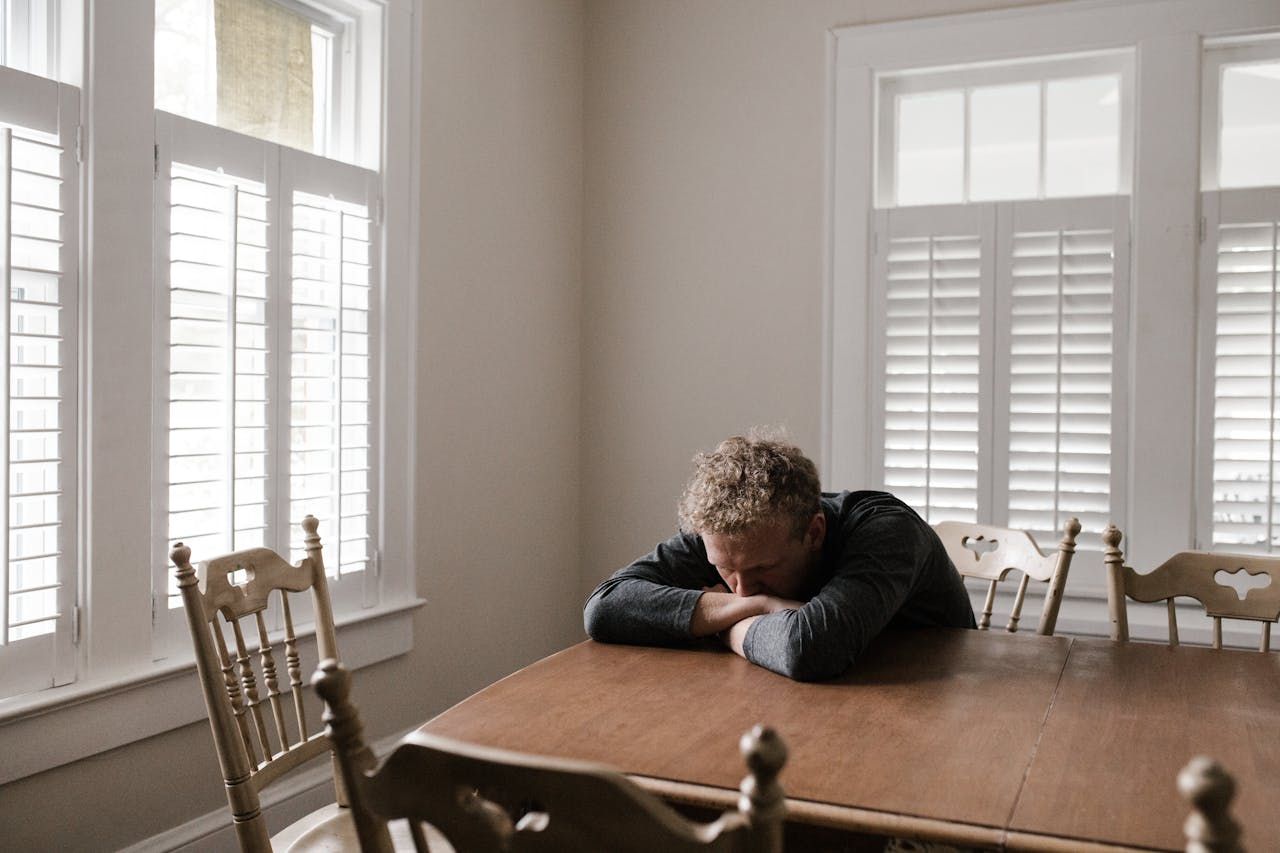
Living this way is exhausting, and it's also common. The Anxiety and Depression Association of America notes that anxiety disorders are among the most widespread mental health conditions worldwide. Expecting something bad to happen doesn't automatically mean a person has an anxiety disorder or any diagnosable condition. But persistent worry, hypervigilance, and catastrophic thinking are experiences many people recognize in themselves, and they can reshape how we interpret ordinary situations and experience our own good news.
When this pattern settles in for the long term, it starts to affect your mental wellbeing. Constant anticipation of the worst keeps stress and anxiety elevated. It makes it harder to relax into good moments, and it wears you down emotionally in ways that accumulate. Over time, it can affect sleep, concentration, and relationships, particularly when it shows up as reassurance-seeking or withdrawal. Left unaddressed, the cycle narrows what peace is available to you, even in seasons when things are genuinely going well.
There's usually a reason the mind starts bracing before anything has gone wrong. Two of the most common ones show up again and again.
Your brain may have learned that danger is the safer assumption.
Brains are built to scan for threats. That instinct has kept humans alive for a long time, and it doesn't come with an off switch for imagined danger. If yours has spent years managing stress, uncertainty, or pain, it may have quietly concluded that danger is always close by, even when the present moment gives no real evidence of it. Ordinary situations start to read as warning signs because the brain has stopped waiting for proof.
Earlier experiences can shape what the present feels like.
The past has a way of showing up uninvited, distorting situations that have nothing to do with where the fear first started. A late-night phone call might trigger dread because one once carried devastating news. Growing up in an unpredictable household can leave a lasting expectation that calm is temporary and disaster is due. None of this means the present is dangerous. It means the past is still doing some of the interpreting.
How to stop waiting for something bad to happen
Changing this pattern takes time, especially if it's been with you for years. Therefore, the intention is not to force positive thinking or to pretend bad things never happen. It's to help your mind learn that it does not have to live in a permanent state of anticipation.

Notice what sets it off. A ringing phone can trigger it. So can silence after a message goes unanswered, a sudden change in routine, or the discomfort of a day that's going too well. Naming the trigger doesn't make it disappear, but it moves you from reacting automatically to noticing you have a choice in how to respond.
Separate the thought from the evidence. When the fear shows up, ask what's actually true right now, not what might be true later. The feeling doesn't need to be dismissed. Hold the thought up next to the facts and let the gap between them do some of the calming work.
Practice staying in moments of good news, on purpose. If your instinct is to brace the second something goes right, try deliberately staying there a little longer than feels comfortable. Say the good thing out loud. Then, let someone else celebrate it with you without immediately steering the conversation toward what could go wrong. This will feel unnatural at first. That's normal, so give it time.
Get support if the fear has outgrown your ability to manage it alone. If these patterns feel persistent, overwhelming, or are shaping your decisions and relationships in ways you don't want, a mental health professional can help you understand where they come from and build a more sustainable way of responding. This isn't a last resort. It's often the fastest way through.
Conclusion
Living with the constant expectation that something bad is about to happen is draining. It steals from good moments and hands worry the space peace should have had. Life is unpredictable, but a delay, a missed call, or a change in plans is rarely the disaster it seems.
If you recognize yourself in Samuel's story, be gentle with yourself. These patterns often take root after prolonged stress or painful experiences, and they can shift with time, self-awareness, and the right support. You do not have to spend every good day waiting for it to end. It is possible to enjoy the present without constantly fearing what comes next.